
Alert & agile
Dive into the exciting world of brightly colored anoles.

Experience Level
Beginner

Size
Anoles grow up to 8" (20 cm)

Lifespan
The average anole lifespan is 5 years

Behavior
Do not house more than one male anole in a tank

Shopping Checklist
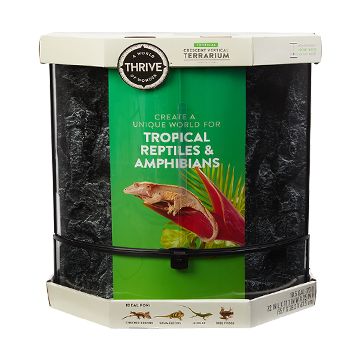
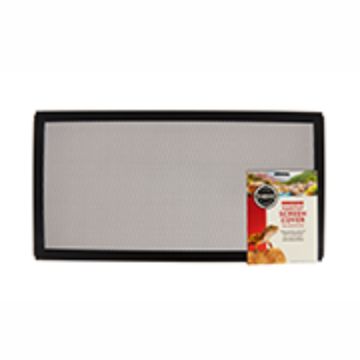

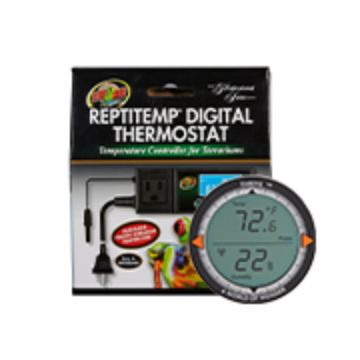
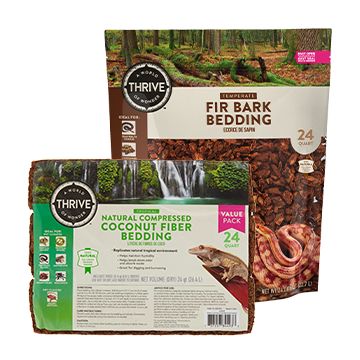


How do I set up a terrarium?
10-gallon terrarium
One anole requires a 10 gallon terrarium (18" high with a screened lid). For multiple anoles, use a larger terrarium.
Coconut fiber, moss or bark bedding
Line the habitat with 2-3" of coconut fiber, moss or bark bedding. Remove droppings and spot-clean frequently. Stir the bedding every other week and change every month.
Natural or artificial rocks
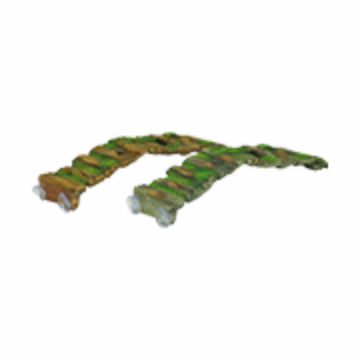
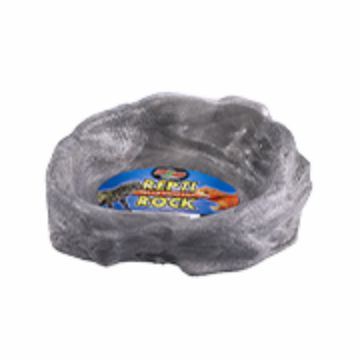
Create a hiding place with natural or artificial rocks or wood, and provide live plants and branches for your anole to climb.
Temperature gradient
Anoles require a temperature gradient (warm on top and cool on the bottom). Add thermometer(s) (one on the top and one on the bottom) to measure the temperature, and a hygrometer to measure humidity.
UVB and heat lamp
Reptiles require a 12-hour day/night cycle. Provide your pet with a UVB and heat lamp so that they can properly absorb calcium.
Humidity
Create and maintain humidity by keeping the water dish full, misting your pet and habitat 2-3 times every day, or using an automatic fogger or drip system.
Additional information
For more information, consult PetSmart's "Reptile & Amphibian Heating & Lighting" and "Setting Up a Reptile or Amphibian Habitat" Care Guides.
Temperature gradient
Create a cool side and basking spot in the habitat for your reptile.

Cool day temperature
Target range: 75-85° F (24-29° C)

Basking day temperature
Target range: 85-90° F (29-32° C)

Night temperature
Target range: 65-75° F (18-24° C)

Humidity
Target range: 60-80%
Habitat Setup
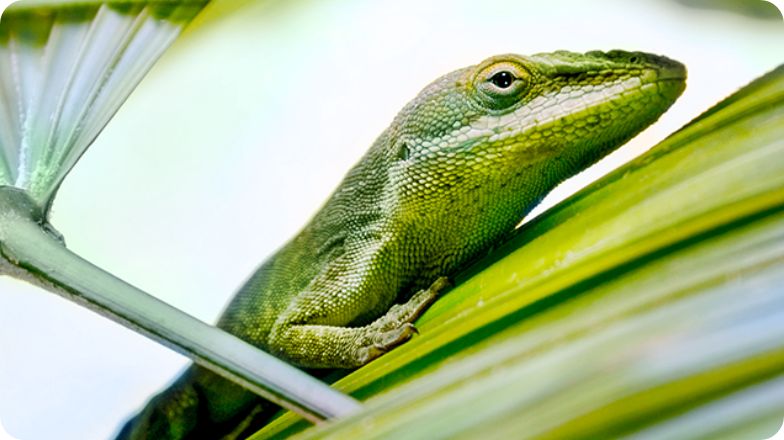
Terrarium essentials
Shop anything you need to help your anole thrive in their home.







What do anoles eat?
Gut-loaded insects
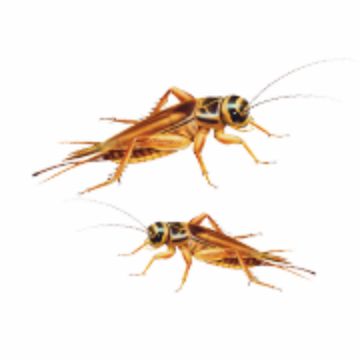
As their primary food source, feed anole 2-5 gut-loaded crickets or dubia roaches once daily.
Supplements
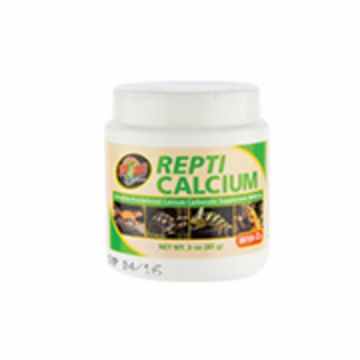
Dust food with a calcium powder: 2-3x a week and a reptile multivitamin once a week, or as directed by your veterinarian.
Water
Provide a fresh, clean dish of water daily to sip from and soak in.
Treats
Feed 1-2x weekly. Supplement diet with mealworms, phoenix worms or appropriately-sized hornworms.
Nutrition
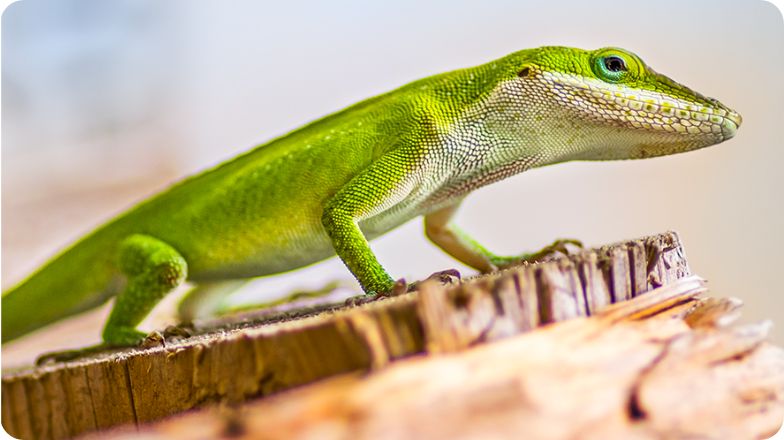
Anole diets
Discover the unique dietary needs of your anole.


When to contact my vet?
Contact your reptile vet if you notice any of the following signs:

Care & Health
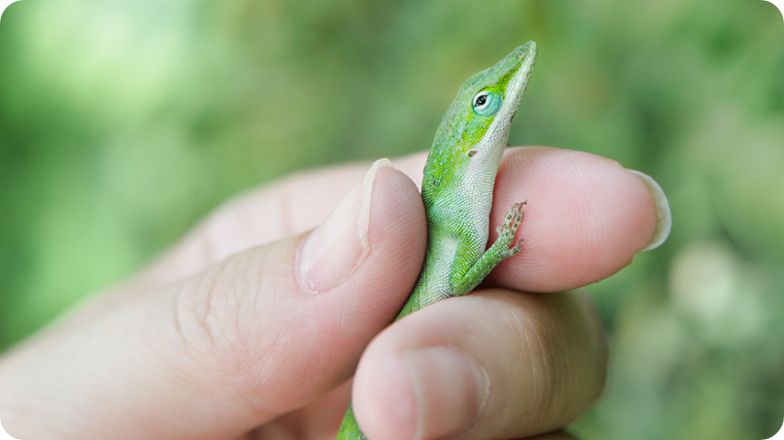
Help give your anole the best care
Shop everything you need to keep your anole happy & healthy.


Reptile Care
Help support your pet's best life.