
The Complete Guide to Flea and Tick Prevention for Spring

In this Article
- Why spring is peak season for fleas and ticks
- What fleas and ticks can do to your pet
- Prevention options: what’s available
- A critical safety rule: never use dog products on cats
- How to choose the right product for your pet
- A note on natural flea and tick prevention
- Tick checks: an important habit alongside prevention
- Frequently asked questions (FAQs)
Spring is one of the most important times of year to think about flea and tick prevention for your dog or cat. As temperatures rise and your pet spends more time outside, their exposure to parasites increases significantly. Getting ahead of the season is one of the most effective things you can do to keep your pet comfortable and protected.
This guide breaks down why spring matters, how the most common prevention options work, and what to consider when choosing the right product for your pet.
Why spring is peak season for fleas and ticks
Fleas and ticks thrive in warm, humid conditions. As spring temperatures climb, both parasites become significantly more active. Immature ticks called nymphs, which are responsible for many tick bites, become most active once temperatures rise above 37 degrees Fahrenheit. Flea populations also surge as warmer weather creates ideal breeding conditions outdoors.
Spring also brings more wildlife activity. Birds, rodents, and other small animals emerge from winter shelter and can carry fleas and ticks directly into your yard. Your dog or cat doesn’t need to venture far to encounter these pests.
That said, fleas and ticks aren’t strictly a warm-weather problem. Both parasites can survive indoors year-round in carpets, upholstery, and bedding. Many veterinary professionals recommend year-round prevention rather than stopping and restarting treatment seasonally, since gaps in coverage can leave your pet vulnerable.
What fleas and ticks can do to your pet
Flea and tick prevention is about more than avoiding bites. Both parasites can carry and transmit diseases that affect your pet’s health and, in some cases, the health of people in your household.
Fleas
Flea saliva can trigger allergic reactions in pets, leading to a condition called flea bite dermatitis. Symptoms include intense itching, hair loss, and skin inflammation. In young, small, or already-compromised pets, a heavy flea infestation can even cause anemia from blood loss. Fleas can also transmit tapeworms, which pets may ingest while grooming, and they can carry additional diseases that affect both pets and people.
Ticks
Ticks are direct carriers of serious diseases, including Lyme disease, ehrlichiosis, anaplasmosis, and Rocky Mountain spotted fever. These diseases can cause lasting health effects in dogs and cats. Ticks can also release a toxin during feeding that causes temporary paralysis in some pets. Because ticks can be extremely small, especially in their nymph stage, they are often missed during routine checks.
For more detail on tick risks specific to dogs, see our Learning Center article on tick removal and prevention tips.
Prevention options: what’s available
There are several types of flea and tick prevention products available for dogs and cats. Each works differently, and the best choice depends on your pet’s lifestyle, health, and your household situation. Your veterinarian is the best resource for a recommendation tailored to your specific pet.
Topical treatments (spot-ons)
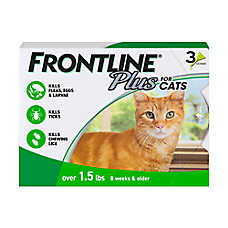
Topical treatments are applied directly to the skin, typically between the shoulder blades or at the base of the neck. Most are monthly applications that spread across the skin’s surface or absorb into the body to provide sustained protection.
Topicals are a strong option for pets that are picky eaters or have sensitive stomachs. However, they may be less effective for pets that swim frequently or need regular baths, as water can reduce their efficacy. You’ll also want to keep other pets and small children from touching the application site until the product has dried.
Browse topical flea and tick treatments for dogs and topical flea and tick treatments for cats at PetSmart.
Oral treatments
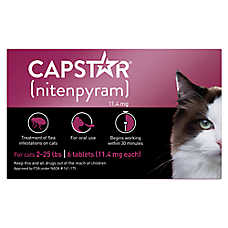
Oral flea and tick treatments are given by mouth, either as a chewable or tablet. They work systemically, meaning they circulate through the bloodstream and affect fleas and ticks when the parasites bite. For dogs, a range of oral options is available. For cats, options are more limited and your vet can advise on what is appropriate.
Oral treatments are a convenient choice for pets that tolerate them well, since there’s no mess and no concern about children or other animals touching a topical application site. They may not be suitable for pets with certain health conditions, which is another reason a vet consultation matters.
Browse oral flea and tick treatments for dogs and oral flea and tick treatments for cats at PetSmart.
Flea and tick collars
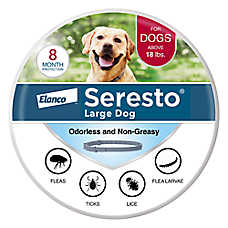
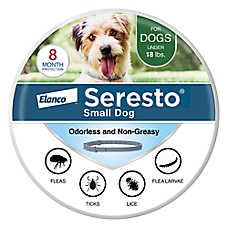
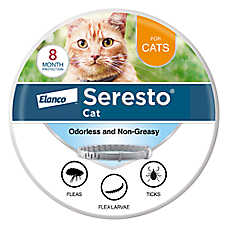
Flea and tick collars release active ingredients that either repel or kill parasites on contact. Some collars provide protection for several months, making them a longer-lasting option than monthly topicals or orals. Collars vary significantly in their active ingredients, coverage area, and duration, so reading the product label and consulting your vet is important.
Browse flea and tick collars for dogs and flea and tick collars for cats at PetSmart.
A critical safety rule: never use dog products on cats
This is one of the most important rules in flea and tick prevention. Many ingredients found in dog-specific products, including permethrin, are highly toxic to cats and can be fatal even in small amounts. Using a product labeled for dogs on a cat is never safe, even if the dosing seems similar.
If you have both dogs and cats in your household, make sure you’re using species-appropriate products and that treated dogs and untreated cats are kept separate until topical applications have fully dried. Always check the label, and ask your veterinarian if you’re ever unsure whether a product is safe for your cat.
How to choose the right product for your pet
Parasite prevention is not one-size-fits-all. The right choice for your pet depends on a combination of factors. Your veterinarian can help you weigh these and make a recommendation:
- Age and weight. Most flea and tick products have minimum age and weight requirements. Always check the label to confirm the product is appropriate for your pet.
- Lifestyle and environment. A dog that frequently swims or is bathed often may do better with an oral option than a topical. A primarily indoor cat has different exposure risks than one that goes outside.
- Health history. Some products may not be suitable for pets with certain health conditions, including neurological issues. Discuss your pet’s full health history with your vet before starting any new preventive.
- Household composition. Multi-pet households require careful planning. To fully control flea infestations, all dogs and cats in the home typically need appropriate prevention at the same time. Treating only one pet can allow fleas to continue breeding on untreated animals, increasing the risk of reinfestation in your home or yard. If you have both dogs and cats, choose species-appropriate products and consult your veterinarian to coordinate a safe prevention plan.
- Geographic risk. Tick species and their associated diseases vary by region. Your veterinarian will know which parasites are most common in your area and which products offer the best coverage.
For more on selecting a product specific to your dog, visit our article on dog flea prevention.
For cat-specific guidance, see our guide on how to get rid of cat fleas and keep them away.
A note on natural flea and tick prevention
Some pet parents are interested in plant-based or natural approaches to flea and tick prevention. While options like essential oil-based products and food-grade diatomaceous earth are available, veterinary guidance is consistent: these products have limited evidence supporting their effectiveness against fleas and ticks, and some can pose risks to pets when used incorrectly.
Natural products are not a substitute for veterinarian-approved preventives, particularly in high-risk areas or during peak season. If you’d like to explore natural options, discuss them with your veterinarian first, who can advise on any potential risks and whether they might be used alongside an approved preventive.
Tick checks: an important habit alongside prevention
Even when your pet is on a prevention product, performing regular tick checks is a good habit, especially after outdoor time in grassy or wooded areas. Ticks can still attach temporarily before a product takes effect, and checking early means you can remove any ticks before they have time to transmit disease.
Where to check on your dog:
- Around and inside the ears
- Between the toes
- In the groin area and armpits
- Around the tail and hindquarters
- Under the collar
Cats may have ticks around the neck, face, and ears. Because cats groom themselves frequently, ticks are often easier to miss. A quick manual check after time outdoors is always worthwhile.
If you find a tick, remove it carefully with fine-tipped tweezers as close to the skin as possible. Do not twist or crush it. After removal, clean the bite area and monitor your pet for any signs of illness in the weeks that follow. When in doubt, contact your veterinarian.
Frequently asked questions (FAQs)
When should I start flea and tick prevention in spring?
The earlier, the better. Many veterinary professionals recommend keeping pets on prevention year-round rather than stopping in winter and restarting in spring. If your pet has been off prevention over winter, starting again as temperatures begin to rise, before flea and tick activity peaks, gives you the best head start on the season.
Do indoor cats need flea and tick prevention?
Even cats that never go outside can be exposed. Fleas can enter your home on clothing or on other pets. Ticks can also be carried in by people or animals that have been outdoors. Many veterinarians recommend prevention for indoor cats, though the specific product and approach may differ from outdoor cats. Ask your vet what makes sense for your cat’s lifestyle.
How do I know if my pet has fleas?
Common signs of fleas include persistent scratching, biting at the base of the tail, and restlessness. You may also notice flea dirt (small dark specks that turn red when placed on a damp white paper towel) in your pet’s coat or bedding. Fleas prefer the rump and tail area in dogs and the head and neck in cats. If you suspect fleas, contact your veterinarian for guidance on treatment.
Is year-round prevention really necessary?
Most veterinary professionals recommend year-round prevention for both dogs and cats. Fleas can survive indoors in carpets and upholstery regardless of the season, and some tick species remain active in surprisingly cool temperatures. Maintaining consistent coverage is simpler than timing seasonal starts and stops, and it avoids gaps that can leave your pet unprotected.
Can I use the same flea and tick product on all my pets?
No. Products are formulated for specific species and weight ranges. Never use a product labeled for dogs on a cat, as ingredients like permethrin can be fatal to cats. Always use species-appropriate products, confirm the weight range on the label, and consult your veterinarian if you have multiple pets and want to coordinate their prevention plans.
What are the signs that a flea or tick product isn’t working?
If you notice your pet scratching more than usual, see live fleas or ticks on their coat, or find flea dirt in their bedding despite using a prevention product, contact your veterinarian. This may indicate that it’s time to reassess the product, check whether it’s being applied correctly, or consider an alternative formulation.
Information in this article is not intended to diagnose, treat or cure your pet and is not a substitute for veterinary care provided by a licensed veterinarian. For any medical or health-related advice concerning the care and treatment of your pet, contact your veterinarian.
In this Article
- Why spring is peak season for fleas and ticks
- What fleas and ticks can do to your pet
- Prevention options: what’s available
- A critical safety rule: never use dog products on cats
- How to choose the right product for your pet
- A note on natural flea and tick prevention
- Tick checks: an important habit alongside prevention
- Frequently asked questions (FAQs)