
Effective Cat Flea Treatment and Prevention at Home

In this Article
Fleas are one of the most common parasites affecting cats. They cause persistent itching, discomfort, and can even transmit diseases. Successful flea control requires treating both your cat and the home environment where fleas thrive.
This article covers how to identify fleas, treatment options tailored for cats, and prevention strategies to keep your feline companion healthy and flea-free.
How to identify fleas on your cat
Fleas are tiny, reddish brown to black insects. They do not fly, they jump quickly.
- Look for fast-moving specks in your cat’s fur.
- Check for flea dirt, small black particles that look like pepper.
- Watch for scratching, biting, or skin irritation.
Why the flea lifecycle matters
Effective flea control requires understanding the four stages of the flea lifecycle:
- Eggs: Laid on your cat but quickly fall off into bedding, carpets, and furniture.
- Larvae: Hatch from eggs and feed on organic matter, including flea dirt, hidden deep in fabrics and carpet fibers.
- Pupae: Encased in protective cocoons, pupae are resistant to many treatments and can remain dormant for weeks before emerging as adults.
- Adults: Emerge from pupae and immediately seek a host, such as your cat, to feed and reproduce.
This cycle explains why treating only the cat is not enough — fleas in the environment will continue to hatch unless you address bedding, carpets, and other hiding places.
How to get rid of fleas in your home
Vacuuming and cleaning
Vacuum all carpets, rugs, upholstery, and corners where your cat spends time. Dispose of the vacuum bag or clean the canister immediately to prevent fleas from re-emerging. Regular vacuuming disrupts the flea lifecycle by removing eggs and larvae.
Washing bedding and fabrics
Wash your cat’s bedding, blankets, and household fabrics in hot water. High heat kills fleas at all life stages. Repeat weekly during infestations to reduce populations effectively.
Environmental treatments
Consider pet-safe sprays or powders designed for home use. These can help reduce fleas in carpets and soft furnishings. For severe infestations, professional pest control may be necessary.
How to get rid of fleas on your cat
Immediate relief with Capstar
Capstar is an oral tablet for cats that kills adult fleas within minutes. It is highly effective for providing immediate relief during active infestations, but its effects are short-term, making it best paired with a longer-lasting solution.
Long-term protection with Advantage
Advantage is a monthly topical flea treatment formulated specifically for cats. It kills fleas on contact and prevents future infestations by breaking the flea lifecycle. Advantage provides sustained protection and is a cornerstone of ongoing flea prevention.
Other treatment options
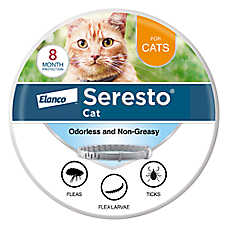
Other cat-specific flea products include sprays, shampoos, and flea collars. Always ensure the product is labeled safe for cats — never use dog flea products on cats, as they can be toxic.
Product comparison: flea treatments for cats
Product | Type | Speed of Action | Application Method | Notes |
Capstar (for cats) | Oral tablet | Within minutes | Oral (by mouth) | Fast relief, short-term effect; ideal for quick knockdown |
Advantage (for cats) | Topical liquid | Monthly protection | Applied to skin | Kills fleas before they reproduce; long-term prevention |
Flea Shampoos (for cats) | Topical wash | Immediate but temporary | During bath | Best for spot relief; does not prevent reinfestation |
Flea Collars (cat-specific) | Collar device | Gradual protection | Worn around neck | Some collars provide months of coverage; choose vet-approved brands |
Preventing future flea infestations
- Use year-round flea preventatives tailored for cats.
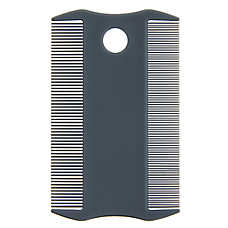
- Regularly groom your cat and check with a flea comb.
- Wash cat bedding weekly during flea season.
- Vacuum regularly to disrupt flea eggs and larvae.
Frequently Asked Questions (FAQs)
What are the signs of fleas on cats?
Look for excessive scratching, visible fleas moving in the fur, or black flea dirt particles on your cat’s skin and bedding.
Can fleas make my cat sick?
Yes. Fleas can cause flea allergy dermatitis, anemia from blood loss, and transmit tapeworms. Severe infestations can seriously affect your cat’s health.
How long does it take to eliminate fleas on cats?
With consistent treatment and cleaning, infestations can be controlled in a few weeks. However, due to the flea lifecycle, flea treatments should be done for a full three months after the first flea is found at a minimum to ensure that all of the pre-adult flea population is eliminated.
Can I use dog flea treatments on my cat?
No. Many dog flea products contain ingredients that are toxic to cats. Always use cat-specific flea treatments recommended by your veterinarian.
When should I see a veterinarian for cat fleas?
If fleas persist despite treatment, if your cat shows signs of allergic reactions or anemia, or if you are unsure which product is safest, consult your veterinarian immediately.
Information in this article is not intended to diagnose, treat or cure your pet and is not a substitute for veterinary care provided by a licensed veterinarian. For any medical or health-related advice concerning the care and treatment of your pet, contact your veterinarian.