Hamster Enrichment: Toys, Wheels and Activities for a Happy Hamster
In this Article
Key takeaways
- Hamsters are highly active animals that need meaningful enrichment every day, not just a wheel and a water bottle
- The exercise wheel is the single most important item in a hamster’s habitat, and size and surface type matter: solid surface only, no wire or mesh
- Foraging, burrowing, and chewing are natural behaviors that enrichment should support, not just exercise
- Bar chewing, repetitive pacing, and excessive hiding during active hours are signs that a hamster’s environment needs more stimulation
- Rotating enrichment items regularly helps maintain your hamster’s interest and prevents habituated boredom with items that have become familiar
It’s easy to underestimate a hamster. They’re small, quiet, and spend a lot of their daylight hours asleep. But in the hours they’re awake, typically from dusk through the night, hamsters are extraordinarily active animals with instincts for running, digging, foraging, and exploring that go well beyond what a basic cage setup typically provides.
Wheels for appropriate species and species-appropriate enrichment are commonly recommended by veterinarians and are essential components of proper small animal care, not optional extras. This guide covers everything your hamster needs to stay physically active and mentally engaged, from the right wheel to foraging activities and beyond.
Why enrichment matters
In the wild, hamsters may travel several miles in a single night, searching for food, investigating new areas, and maintaining extensive underground burrow systems. The instinct to perform those behaviors doesn’t disappear in captivity: it just has nowhere to go without the right environment.
When those needs go unmet, hamsters can develop repetitive, compulsive behaviors called stereotypies, such as bar chewing, pacing, or spinning in repeated patterns. These behaviors are associated with stress and poor welfare in captive animals, and they tend to diminish or disappear when proper enrichment is provided. A hamster with a full and engaging environment is also more active, healthier, and more interesting to observe.
Signs your hamster needs more enrichment
Watch for these indicators that your hamster’s environment may need improvement:
- Bar chewing: Persistently gnawing on cage bars, especially in a repetitive pattern. This is often a sign of insufficient space or stimulation, not just a tooth-maintenance behavior.
- Stereotypic pacing or circling: Repetitive movement patterns that don’t seem purposeful.
- Excessive inactivity: A hamster that barely comes out even during active hours may be withdrawn from stress or boredom.
- Aggression or irritability: More reactive to handling than usual can sometimes indicate stress from an inadequate environment.
- Overgrooming or undergrooming: Both extremes can indicate something is off with wellbeing.
If you notice multiple signs persisting over several days, assess the habitat first: wheel size and quality, bedding depth, available enrichment, and enclosure size. A veterinarian who sees exotic or small animals can help if behavioral concerns persist.
The exercise wheel: the most important piece
Hamsters can run several miles in a night. For that level of activity to be possible, the wheel needs to be the right size and the right type.
Size
- Syrian (golden) hamsters: Need a wheel with a running surface of at least 10 to 12 inches in diameter. A wheel that’s too small forces the hamster to arch its back while running, which can contribute to spinal problems over time.
- Dwarf hamsters: A 6 to 8-inch wheel is typically appropriate, depending on the specific species and size of the individual hamster.
When in doubt, go larger. A hamster who’s slightly too small for a wheel won’t be harmed by it. A hamster who’s too large for a wheel may develop chronic posture problems.
Surface and safety
The running surface must be solid. Wire or mesh wheels allow feet and legs to slip through, which can cause injuries ranging from minor to severe. Look for a smooth, solid plastic or metal running surface. Wheels with vertical bars but no solid floor are also hazardous. A closed or solid back panel prevents tails from getting caught.
A silent spinner wheel is worth investing in: hamsters run at night, and a squeaky wheel becomes a significant quality-of-life issue for both of you. Browse small pet toys and accessories at PetSmart for wheel options.
Foraging and burrowing enrichment
Foraging is one of the most natural and satisfying activities for hamsters, and it’s one of the easiest to provide. Scatter feeding, hiding pieces of food throughout the bedding rather than placing everything in a dish, engages the hamster’s natural search instincts and turns mealtime into an activity that can occupy them for a significant portion of their active hours.
Deep bedding supports burrowing behavior, which is a natural part of how hamsters create their dens and feel secure. Many hamster owners are surprised to learn how deep bedding should be: 6 inches is a reasonable starting point, and more is generally better for Syrian hamsters especially. A hamster that digs a burrow system is a hamster expressing healthy natural behavior.
Foraging boxes add another dimension: a small container filled with clean sand, paper-based substrate, or dry herbs with food items hidden throughout gives the hamster a dedicated area to search and dig. Dried herbs like chamomile, dandelion, and rose petals are safe options to sprinkle in bedding or a foraging box as novel scent enrichment.
Chew toys and dental health
Hamster teeth grow continuously throughout their lives, and appropriate chewing is part of how they maintain comfortable dental health. Chew options also provide mental engagement and physical activity.
Safe chew materials include:
- Untreated wood: Apple wood, willow, and birch are commonly recommended. Avoid cedar and pine, which contain aromatic oils that can be harmful to small animals.
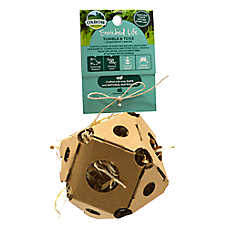
- Cardboard and cork: Plain cardboard boxes, toilet paper rolls, and cork pieces are safe, inexpensive, and often enthusiastically received.
- Commercial chew toys: Many options are available specifically made for small animals. Look for ones made from hamster-safe materials without added dyes or artificial ingredients.
Replace chew items when they’ve been significantly gnawed through. Heavily chewed plastic items can produce sharp edges or fragments that are a hazard. Small pet chew toys and treats are available in the PetSmart Small Pet Shop.
Tunnels, hideouts, and climbing
Hamsters naturally live in complex underground tunnel systems. Providing tunnels and multiple hideouts in their habitat supports this instinct and gives them a sense of security.
- Tunnels: Plastic or cardboard tunnel systems let hamsters create movement pathways between areas of the habitat. Choose sizes appropriate for your hamster’s species: dwarf hamster tunnels may be too narrow for a Syrian.
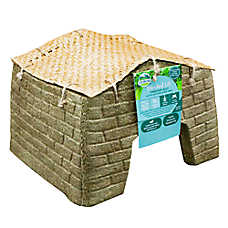
- Hideouts: At least one enclosed sleeping area where the hamster can feel fully hidden and secure. Wooden hideouts are a good choice because they can also be chewed, serving double duty as enrichment.
- Platforms and ramps: Climbing structures add vertical dimension to the habitat. Keep heights modest for Syrian hamsters, who can fall and injure themselves more seriously than their small size might suggest. Dwarf hamsters are generally more agile.
Species-specific notes
While enrichment principles apply across hamster species, there are differences worth knowing:
- Syrian hamsters: Must be housed alone. They are territorial and will injure or kill other hamsters if housed together. They are the largest pet hamster species and need the largest wheel, deepest bedding, and most floor space.
- Campbell’s and Russian dwarf hamsters: Smaller and faster than Syrians. May sometimes be housed in same-sex pairs from the same litter, but fights can occur and each should have access to their own resources. Monitor carefully.
- Roborovski hamsters: The smallest and fastest pet hamster species. Often better appreciated as observation pets than frequent handling pets. High activity level makes appropriate enrichment especially important.
For species-specific care details, the Hamster Care Guide covers habitat, feeding, and health basics.
Keeping enrichment fresh: the rotation principle
Hamsters habituate quickly to familiar items. A tunnel that was exciting the first week may be almost entirely ignored by week three. Rotating enrichment items in and out of the habitat on a regular basis helps maintain novelty.
This doesn’t require spending money constantly. Many of the most effective hamster enrichment items are free or nearly free: toilet paper rolls, small cardboard boxes, egg cartons, and safe branches from your yard. These can be added, removed, rearranged, and replaced on a rotating basis. Switching which side of the habitat the wheel is on, or moving hideouts to a different position, can spark renewed exploration.
Safety considerations
- Wheels: Always solid surface, appropriate size, no wire or mesh.
- Plastics: Check regularly for sharp edges from chewing. Heavily chewed plastic items should be replaced.
- Heights: Keep climbing structures low for Syrian hamsters. Falls from height can cause injury.
- Hamster balls: Exercise balls for hamsters are a source of debate in the small animal care community. Concerns include disorientation, inability to stop when tired, risk of injury from bumping into furniture and stairs, and dehydration. If used, limit sessions to short durations in a controlled space, ensure ventilation, and supervise at all times. Many experienced hamster owners prefer supervised out-of-cage exploration in a secure playpen over ball use.
- Supervision: Any out-of-cage time should be supervised. Hamsters are fast, can squeeze through surprisingly small gaps, and can injure themselves by falling from furniture or getting behind appliances.