Bearded Dragon Colors and Morphs: Complete Visual Guide
In this Article
Key takeaways
- A morph refers to a genetic mutation that changes scale structure, pattern, or pigmentation, not just color
- Hypo (hypomelanistic) clear nails are one of the most recognizable and reliable morph identifiers
- Color names like “Red,” “Citrus,” and “Orange” are selectively bred color lines, not true genetic morphs
- Leatherback is an incomplete dominant trait: one copy produces a smooth-backed dragon, two copies produce a silkback with no scales at all
- Silkbacks require significantly more specialized care than other morphs, can be prone to health concerns and are not recommended for beginners
- Regardless of morph, all bearded dragons need the same core husbandry: proper UVB, correct temperatures, calcium supplementation, and a nutritious diet
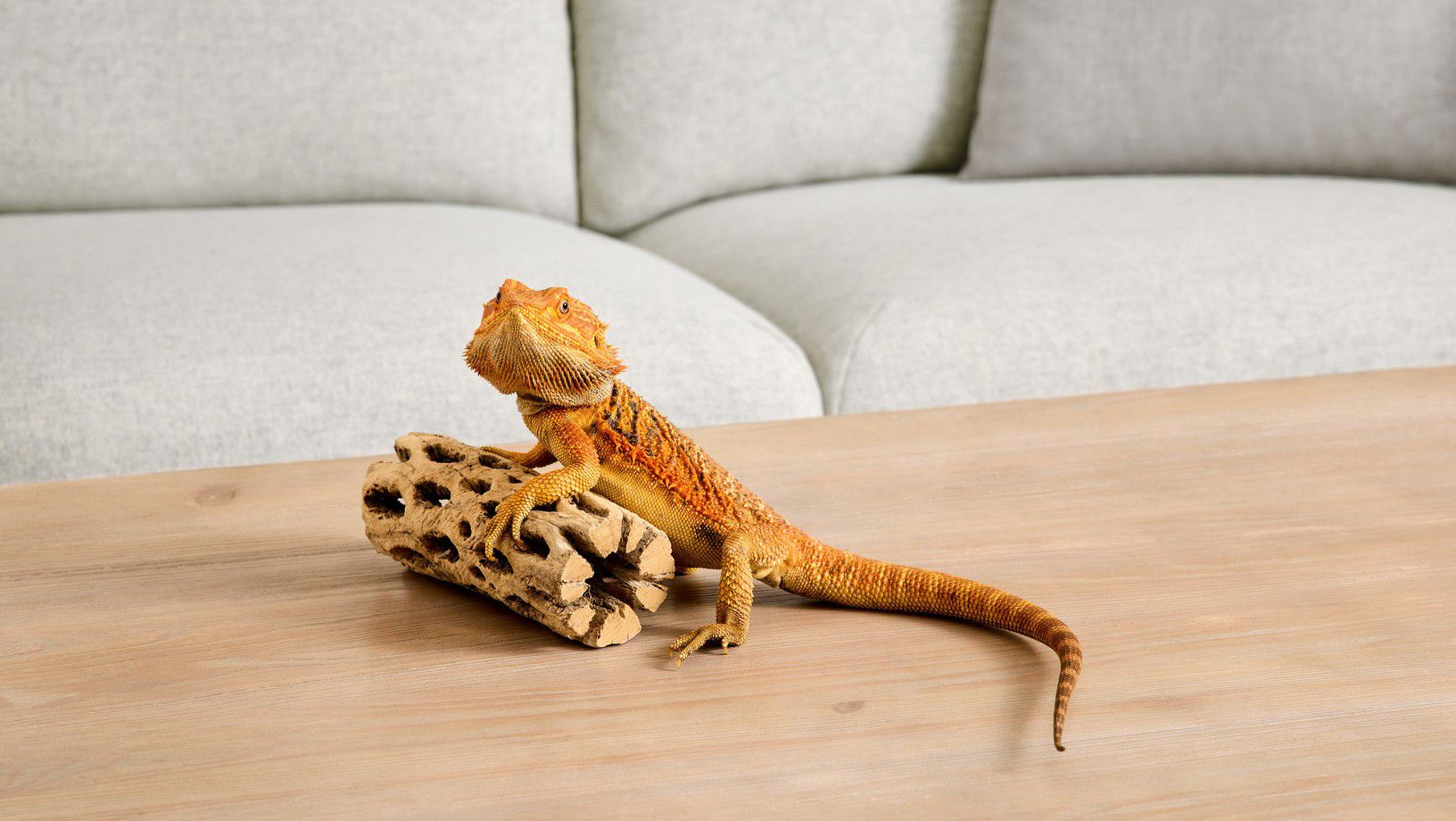
Part of what makes bearded dragons such a popular pet reptile is the remarkable variety of appearances they come in. From pale silver to vivid orange, from leathery soft to rugged and textured, captive-bred bearded dragons can look remarkably different from one another depending on their genetics.
Understanding the difference between morphs, color lines, and combinations helps you know what you’re looking at, what questions to ask, and what to expect from any individual dragon.
What is a morph?
In reptile keeping, a “morph” refers to a specific genetic mutation that produces a consistent, heritable change in a reptile’s appearance. Morphs can affect scale structure, scale orientation, the presence or absence of pattern, or the type and intensity of pigmentation.
This is an important distinction: the true genetic morphs in bearded dragons are not named for colors. The most widely recognized genetic morphs include Leatherback, Silkback, Translucent, Hypomelanistic (Hypo), Dunner, Zero, and Witblits, plus Wero, a combination of Zero and Witblits. Standard describes the normal, or wild-type, appearance rather than a morph. Names like “Red,” “Citrus,” “Orange,” and “Sandfire” describe color lines achieved through selective breeding, not single-gene mutations.
Many dragons are combinations of multiple morphs, which is where names like “Hypo Leatherback” or “Translucent Zero” come from. Understanding the building blocks makes those combination names easy to read.
Scale and structural morphs
Leatherback
The leatherback morph reduces the size and density of scales along the back of the dragon, eliminating the raised spikes typically present in a standard dragon while retaining spikes on the head and sides. The result is a smoother-backed animal whose colors often appear more vivid because light isn’t scattered by raised scales. Leatherback is an incomplete dominant gene (often called co-dominant in the reptile trade), which means one copy of the gene produces a leatherback dragon. Two copies of the gene produce a silkback.
Silkback
Silkbacks carry two copies of the leatherback gene and have essentially no scales at all, giving them a distinctively smooth, almost skin-like texture. Colors appear extremely vivid on silkbacks because there’s nothing on the surface to diffuse light. However, the absence of scales means silkbacks lack the protective barrier that standard dragons have. They lose moisture more readily, are more vulnerable to abrasion and environmental stress, and require exceptionally careful husbandry: clean, nonabrasive surfaces, reliable access to water, close monitoring of hydration and shedding, conservative UVB exposure, and prompt veterinary attention for skin problems. Silkbacks are not recommended for first-time bearded dragon owners, and silkback production is ethically controversial because of these foreseeable welfare risks. Some breeders deliberately avoid producing them, while others continue to produce and sell them.
Dunner
The dunner morph is a dominant gene that affects both scale orientation and pattern. On a standard dragon, scales are roughly teardrop-shaped and point consistently toward the tail. On a dunner, scales are more conical and point in multiple different directions, giving the dragon a rougher, almost gritty texture. The pattern also changes: dunners tend to have spots rather than the stripes or lines seen in standard dragons, and their tail pattern is distinctively different. Dunner is one of the more visually complex morphs and a favorite among enthusiasts for its unique look.
Translucent (Trans)
The translucent morph carries a recessive gene that affects the quality of the scales rather than their structure. Translucent dragons have scales that lack the reflective and white pigment present in standard dragons, giving the skin a slightly see-through, almost gummy appearance, particularly noticeable on the belly and spikes. Baby translucent bearded dragons often have very dark, solid black or dark blue eyes, though how dark they are and how much they lighten with age varies between individuals. When combined with hypomelanistic pigmentation, the translucent quality of the skin allows bright colors to show through even more vividly.
Color and pigmentation morphs
Hypomelanistic (hypo)
The prefix "hypo-" means below or less than normal, while melanin is the pigment responsible for dark coloration in the skin, scales, and nails. A hypomelanistic, or hypo, bearded dragon has less melanin than usual.
Hypo is one of the most commonly encountered and most important building-block morphs in bearded dragon breeding. It's a recessive gene that reduces dark pigmentation, resulting in a dragon with brighter, lighter, and more saturated base colors. The classic visual identifier for a hypo dragon is clear or translucent nails rather than dark nails. Hypo dragons can still display a wide range of colors and patterns, but they appear lighter and more pastel-like than a non-hypo dragon of the same color line.
It's helpful to distinguish hypomelanism from other pigmentation conditions. Leucism reduces overall pigmentation, often creating very pale or white animals while typically preserving normal eye color. Albinism is a separate genetic condition involving absent or severely reduced melanin that commonly affects the eyes, which often appear red or pink. These labels are not always applied consistently in the hobby, and no well-established, verified albino line of bearded dragons is currently recognized.
Zero
Zero is a recessive morph that produces dragons that are typically patternless and very pale, creating a clean, uninterrupted appearance in shades of gray or white. Non-hypo zeros are typically silvery gray, while hypo zeros are closer to paper white. Expression varies with other genes and breeding lines, and some zeros retain visible shading or coloration.
Zeros are often described as leucistic-like because of their pale, patternless appearance. However, they are not truly leucistic. Instead, the Zero morph is caused by a separate genetic mutation that creates its distinctive minimalist look.
Witblits
Witblits is another recessive pattern-eliminating morph, and it’s sometimes confused with zero. The key difference: witblits removes the pattern but can still express color, so a witblits dragon may show earthy yellows, oranges, or creams with no distinct markings. A zero, by comparison, is typically patternless and very pale.
Wero
Wero is a combination of witblits and zero genes. Like zero, weros are typically patternless and very pale, but they can be distinguished from zeros by subtle differences in appearance that breeders recognize. Wero is considered one of the cleaner “white” combinations available in the hobby.
Paradox
Paradox is one of the rarest and most visually striking appearance patterns in the hobby. Paradox dragons display irregular blotches, splotches, or speckles of color that appear without following any consistent pattern across the body, sometimes described as looking like paint was randomly splattered across a lighter base. Its inheritance is not well understood, and paradox markings cannot be predictably reproduced, which makes it one of the more intriguing and unpredictable patterns in the hobby.
Color lines: not morphs, but still meaningful
Names like Red, Citrus, Orange, Yellow, and Sandfire are not genetic morphs. They describe color lines produced through selective breeding, meaning breeders select the most intensely colored animals over multiple generations to amplify specific hues. A “red” dragon doesn’t carry a “red gene,” they simply come from a lineage where red tones have been consistently selected for.
Color names can be layered onto morph names. A “Citrus Hypo Leatherback” means the dragon comes from a citrus color line and also carries the hypo and leatherback genes. Understanding that color names describe breeding lineage rather than specific genetics helps make sense of the sometimes elaborate naming conventions in this hobby.
Care considerations by morph
The good news is that most bearded dragon morphs require exactly the same care. Hypo, dunner, zero, witblit, and translucent dragons all need the same enclosure setup, temperatures, UVB lighting, diet, and supplementation as a standard dragon. The morph changes how they look, not how they live.
The exception is silkbacks, which need different management:
- Reliable access to clean water and a well-ventilated enclosure, since scaleless skin loses moisture faster and raising humidity can create other problems
- Baths only for cleaning or when recommended by a veterinarian, since soaking alone does not reliably hydrate bearded dragons
- Clean, nonabrasive surfaces and substrate to avoid skin injury
- More attentive monitoring for skin issues, retained shed, and dehydration, with prompt veterinary attention for any skin problems
Silkbacks are an advanced keeper’s animal. If you’re new to bearded dragons, starting with a standard or a leatherback morph will give you a better understanding of the fundamentals of bearded dragon care before taking on the extra care demands of a silkback.
For core husbandry requirements that apply to all morphs, the bearded dragon care guide and what do bearded dragons eat? cover everything you need.
A note on responsible purchasing
No matter where you choose to get your bearded dragon, prioritize its overall health and well-being over a specific color or morph.
A few things to keep in mind:
- Learn about the care requirements associated with the morph you're considering. For example, silkback bearded dragons have specialized care needs that make them a poor choice for most first-time keepers.
- Choose a dragon that appears alert, active, and in good body condition, with clear eyes and healthy-looking skin.
- If you're purchasing directly from a breeder, ask about the dragon's genetic background, the line’s health history, and the husbandry used by the breeder. At PetSmart, our Vet Assured program ensures that the animals sold at PetSmart meet industry leading standards. PetSmart associates can help you select a healthy dragon, answer general care questions, and help you select a great habitat.
- Remember that a healthy bearded dragon with care requirements that match your experience level is a better choice than selecting a pet based on appearance alone.
Visual appeal is one factor to consider, but your long-term commitment to providing proper care is what matters most.