
Beginner’s Guide to Pet Treats: How to Choose the Right One
In this Article
Key takeaways
- Treats serve different purposes depending on the context: training, enrichment, dental health, or just a moment of connection
- Size matters, a treat that’s right for a 60-pound dog is not right for a small breed puppy or a cat
- Treats should generally make up no more than 10% of your pet’s daily caloric intake
- Ingredient quality varies widely: a short, recognizable ingredient list is a reliable starting point for any species
- Many human foods are unsafe for pets. What’s harmless for a dog may be toxic to a bird, cat, or small animal
- Species matter enormously: treats for dogs are not treats for cats, and treats for cats are not treats for reptiles
Treats are one of the great joys of having a pet. They’re how you reward good behavior, mark a special moment, support a training session, or just say hello in a language your pet understands immediately. They’re also a category where it’s easy to get it wrong, either by choosing the wrong type, the wrong size, or giving too many too often.
This guide walks through how to choose treats well across all the major pet species, what to look for on a label, how much is too much, and which formats work best for different situations.
What treats are actually for
Before choosing a treat, it helps to know what job you’re hiring it to do. Different purposes call for different formats.
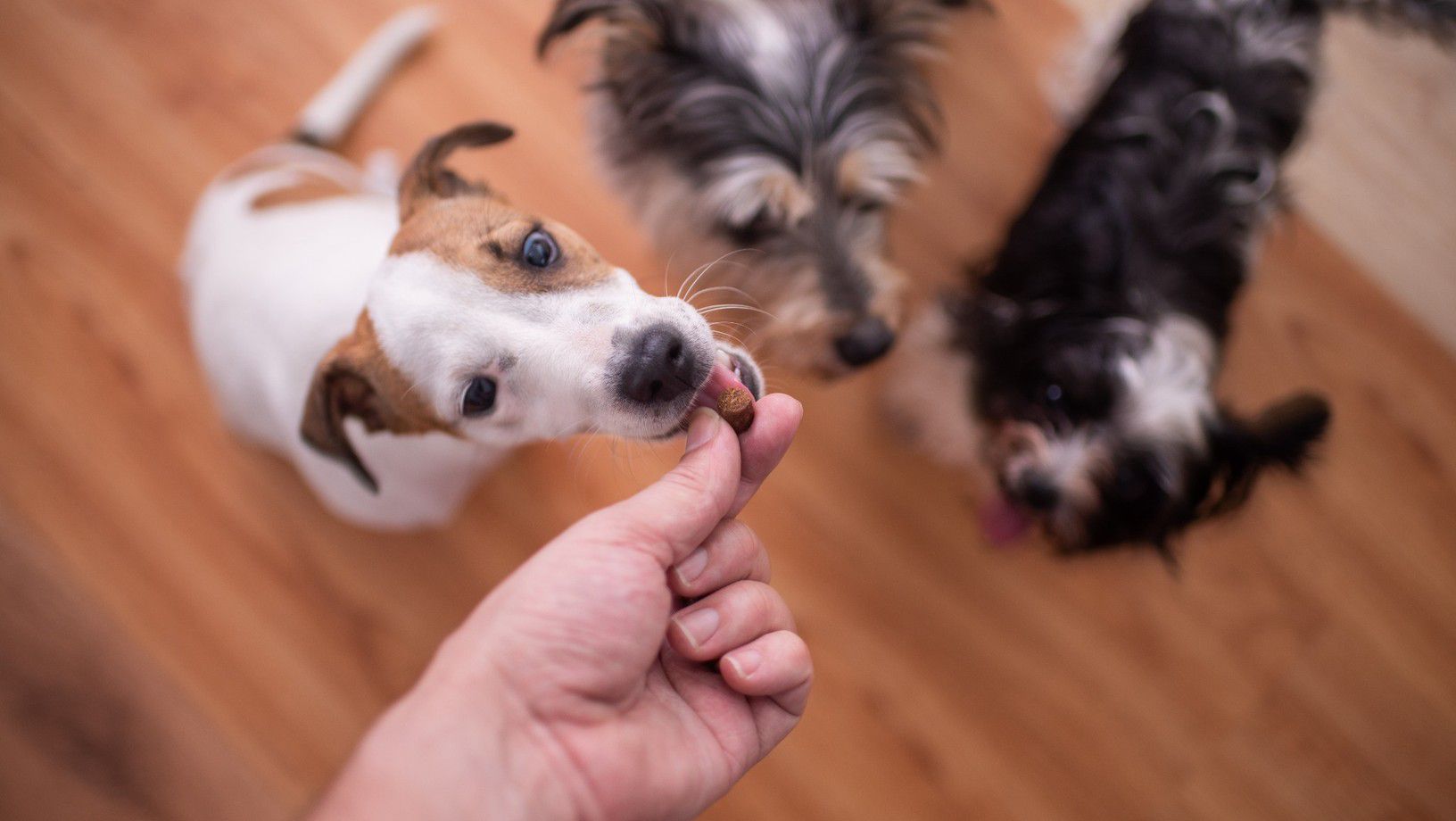
- Training: Small and quick to eat. Training treats should be easy to consume so you can reward the moment without interrupting the session. While many training treats are soft, they don’t have to be — the best option is one your pet can eat quickly and stay engaged with. Smaller is generally better, since your dog doesn’t need a full-sized biscuit after sitting on cue.
- Dental health: Dental treats and chews are designed to help combat tartar, plaque, and/or bad breath in pets. Many are textured or specially formulated to help “scrub” teeth as pets chew, while some also include ingredients intended to support oral health. These are everyday-use products, not just occasional rewards.
- Enrichment and engagement: Long-lasting chews, puzzle-compatible treats, and lickable options extend engagement time and give pets something to work for. These are as much about mental stimulation as nutrition.
- Bonding and celebration: Premium, high-value treats that come out less frequently create a strong positive association. These are for special occasions, or for moments when you just want to make your pet’s day.
- Supplemental benefit: Some treats are formulated to deliver a functional benefit alongside the reward, such as omega fatty acids for skin and coat, or ingredients that support joint health. These are useful but should complement, not replace, a solid diet.
Dog treats
Dogs have the widest variety of treat options of any pet species, which makes choosing well a matter of matching format, size, and ingredient quality to your dog’s individual needs.
Treat types for dogs
- Soft and chewy treats: Ideal for training because they’re quick to eat and highly palatable. Most dogs will work hard for a soft, meat-based chew. Look for named protein sources (chicken, beef, salmon) near the top of the ingredient list.
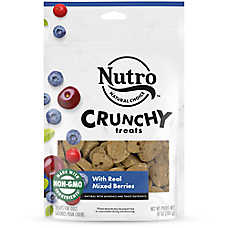
- Crunchy biscuits and cookies: Good for everyday rewards and dental surface contact. Available in a wide range of sizes and flavors. Check calorie counts if weight management is a consideration.
- Freeze-dried treats: Single-ingredient or minimally processed, freeze-dried treats lock in nutritional value and are often well-received by picky eaters. Raw meat, organ, or fish options are increasingly available and popular.
- Long-lasting chews: Bully sticks, yak chews, and similar options keep dogs occupied and support jaw exercise. For dogs with dental sensitivities, harder chews may require guidance from your vet. Supervision is required for many long lasting chews. Follow label directions and if a large chew splinters or is eaten in large pieces, this is not a safe choice for your dog.
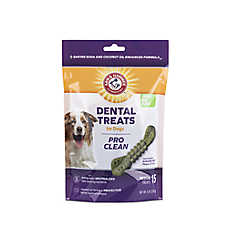
- Dental chews: Formulated specifically to support oral health through texture and ingredients. Daily use can reduce plaque and tartar between professional cleanings. More on why this matters at dental health for dogs.
Choosing by size and life stage
Treat size should match your dog’s body size. A large biscuit designed for a 70-pound dog is too calorie-dense for a five-pound Chihuahua. Most treat packaging includes size guidelines, and many brands offer small breed or bite-sized varieties. Puppies generally do well with soft, small treats that are easy to chew and gentle on developing teeth. Senior dogs may benefit from softer textures if dental disease or reduced jaw strength is a factor.
What to look for on a label
- Named protein source as the first or second ingredient (e.g., chicken, beef, salmon, rather than “meat by-products”)
- Short ingredient list with recognizable items
- Calorie count per treat (useful for managing daily intake)
- No artificial colors, artificial flavors, or added sweeteners, including xylitol, which is toxic to dogs
Explore dog treats across all formats at PetSmart.
Cat treats
Cats are obligate carnivores, meaning their diet needs to be heavily animal protein-based, and their treats should reflect that. Cats are also often picky, and a treat that one cat loves may be completely ignored by another.
Treat types for cats
- Soft and chewy treats: Small, highly palatable, and easy to give. Works well for training and daily rewards. Look for single-protein or limited-ingredient options for cats with food sensitivities.
- Crunchy treats: Many cats enjoy the texture, and some dental-formula crunchy treats can support oral health. Useful for daily reward routines.
- Lickable treats and purees: Broth-style pouches and paste treats are enormously popular with cats. Useful for delivering supplements, encouraging hydration, or just making your cat unreasonably happy. Check that they don’t contain onion powder or garlic, which are common in some formulas and toxic to cats.
- Freeze-dried and air-dried: High-protein, minimally processed options that many cats take to immediately. Single-protein varieties are a good choice for cats with dietary sensitivities.
Cats and caloric management
Cats can gain weight quietly. A few treats a day adds up over weeks and months, especially for indoor cats with lower activity levels. Use the 10% rule as a baseline: treats shouldn’t make up more than 10% of your cat’s daily caloric needs. If you’re not sure how many calories your cat needs daily, your vet can calculate this at the next wellness visit.
Browse cat treats across all formats and life stages.
Small animal treats
Small animals include a wide range of species with very different dietary needs: rabbits, guinea pigs, hamsters, gerbils, chinchillas, ferrets, and rats all have distinct requirements and sensitivities. The appropriate small pet treat for one species may be harmful to another.
General principles
- Rabbits and guinea pigs: Hay should remain the dietary foundation, with fresh vegetables playing an important role in their regular diet (especially for guinea pigs). Treats should be limited to species-appropriate vegetables and very small amounts of fruit offered occasionally. Avoid overly sugary commercial treats, which may contribute to digestive upset.
- Hamsters and gerbils: Small pieces of fresh vegetable, dried herbs, or species-appropriate dried treats. Onion and garlic should generally be avoided across many small pet species, including rabbits, guinea pigs, chinchillas, gerbils, hamsters, rats, and mice.
- Chinchillas: Chinchillas have sensitive digestive systems. Plain, dried herbs, small pieces of dried rose hip, or chinchilla-specific treats in very small amounts. High-sugar treats can cause diarrhea and should be avoided.
- Ferrets: Obligate carnivores like cats. Protein-based treats only. Avoid anything with grains, fruit, or sugar, which ferrets cannot properly digest.
- Rats: Highly food-motivated and enjoyable to treat. Small pieces of fresh fruit or vegetable, unsalted popcorn, small protein sources like a tiny piece of cooked egg. Rats can eat a wider variety than most small animals but still benefit from moderation and balanced intake.
For a broader view of small animal nutrition, feeding your small pet covers the fundamentals by species.
Enrichment-first approach
For small animals, treats are most valuable when they serve an enrichment purpose. Scattering treats through bedding for foraging, hiding them in tunnels or paper bags to shred, or placing them in a simple foraging toy extends the experience far beyond a hand-fed morsel. The seeking and finding is as beneficial as the treat itself for most small animals.
Bird treats
Birds have varied dietary needs depending on species, and bird treats should complement a nutritionally complete pellet-based diet, not replace it. Seeds, while popular with birds, are high in fat and low in overall nutrition, which means they’re best treated as treats rather than dietary staples for most companion bird species.
What birds enjoy
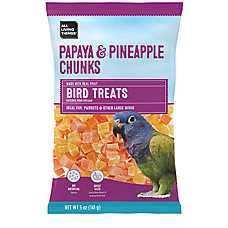
- Fresh fruit and vegetables: Leafy greens, berries, apple slices, carrot, and bell pepper are commonly enjoyed by many birds. Avoid avocado, which is toxic to birds, as well as onion, garlic, and fruit seeds or pits. Seeds from apples and pears and pits from cherries, peaches, and apricots can contain trace amounts of cyanide and should be avoided. Fruits with safe-to-eat seeds include strawberries, blackberries, and raspberries.
- Foraging treats: Treats hidden in foraging toys or sprays that birds can work through are enrichment and reward in one. Millet sprays, dried flower mixes, and forage blends are widely available.
- Nutriberries and soft-baked treats: Specially formulated bird treats that include compressed seeds, grains, and pellets. These offer more nutritional balance than loose seed mixes.
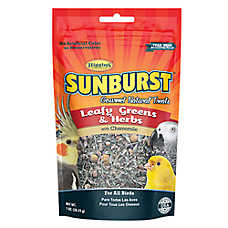
- Seeds as treats: Sunflower seeds, safflower seeds, and millet are high-value rewards for many birds but should be rationed. Use them for training moments or as a special addition rather than free-feeding.
Always research species-specific restrictions before introducing new foods. Some fruits and vegetables safe for parakeets may not be appropriate for lories or larger parrots. More on general bird care at caring for your bird.
Reptile treats
Treats for reptiles look very different from treats for mammals. Most reptiles don’t have the same social reward response that makes treats meaningful for dogs and cats. What constitutes a treat is more about dietary variety and enrichment than positive reinforcement in the traditional sense.
By species type
- Omnivorous reptiles (bearded dragons, blue-tongued skinks, box turtles): These species benefit from dietary variety. Small pieces of fruit (berries, mango, melon),and occasional live or dried insects outside of their regular diet can serve as enrichment-focused treats. For example, if a bearded dragon typically eats dubia roaches, an occasional superworm or hornworm may feel more “special.” Treats should complement, not replace, their balanced staple diet.
- Herbivorous reptiles (tortoises, iguanas, uromastyx): Leafy greens are the core diet, and variety within that category is enrichment in itself. Occasional fruit in small amounts, edible flowers, and seasonal greens can add interest.
- Carnivorous reptiles (snakes, monitors, tegus): Prey items are the diet, not treats. Variety in prey size or type can be introduced for enrichment purposes, but these decisions should be based on husbandry research for the specific species.
Insects like dubia roaches, crickets, and mealworms can serve as both dietary staple and enrichment feeding for insectivorous reptiles and omnivores. Gut-loading and dusting feeders with calcium and vitamins before offering them ensures your reptile gets the nutritional benefit. For habitat and feeding guidance, a set-up guide for reptile habitats is a useful reference.
Portioning and the 10% rule
Across all species, the general guidance is that treats should not exceed 10% of your pet’s daily caloric intake. This keeps treats in their appropriate role as a supplement to a balanced diet rather than a meaningful portion of overall nutrition. In practice, what this means:
- For dogs, count treat calories alongside food calories. If you’re training with multiple treats in a session, use smaller pieces and reduce the total amount of food provided slightly at mealtime
- For cats, who may need as few as 200 calories per day, even a handful of treats adds up quickly
- For small animals, treats should be genuinely small and offered once a week or once every other week
- For birds, seed treats especially can tip nutritional balance quickly for small species
If you’re unsure of your pet’s caloric needs, your veterinarian can give you a specific number based on their weight, life stage, and health status. If weight is a concern, how to manage your dog’s weight covers practical strategies.
Foods that are never safe as treats
Several common human foods are toxic to pets and should never be used as treats, regardless of how much your pet seems interested in them.
- All species: Chocolate, caffeine, alcohol, macadamia nuts, and anything containing xylitol (an artificial sweetener found in some gums, peanut butters, and baked goods)
- Dogs: Grapes and raisins, onions, garlic, and raw yeast dough
- Cats: Onion and garlic (even in powder form), raw fish regularly (can deplete thiamine), dairy in large amounts, and anything containing essential oils
- Small animals: Citrus, onion, garlic, chocolate, and species-specific restrictions vary. Always research before introducing a new food
- Birds: Avocado, onion, garlic, chocolate, caffeine, and fruit pits or apple seeds
- Reptiles: Fireflies and other bioluminescent insects are toxic to many reptile species. Research is essential before feeding any unfamiliar insect species
When in doubt, check with your veterinarian before introducing any human food as a treat, particularly for species whose dietary tolerances are less commonly understood.
Frequently asked questions (FAQs)
Can I give my dog cat treats or vice versa?
Occasionally and in small amounts, it’s unlikely to cause harm, but it’s not a good habit. Dog and cat treats are formulated for different nutritional profiles. Cat treats are higher in protein and fat to match feline dietary needs, which can be too rich for regular dog consumption. Dog treats may contain ingredients that aren’t appropriate for cats in regular amounts. Stick to species-specific treats as a general rule.
How do I know if my pet is getting too many treats?
The clearest signal is gradual weight gain. If your pet is gaining weight despite no change in their main food, treats are a likely contributor. Other signs include becoming very selective about their regular food, a behavior called “holding out” for treats, or loose stools from too much rich or novel food.
Are grain-free treats better?
Grain-free doesn’t automatically mean healthier. For pets without grain sensitivities or allergies, whole grains can be a useful source of fiber and energy. The most important factor is whether the treat fits your pet’s individual dietary needs, not whether it follows a particular trend. Your veterinarian is the right person to advise on whether grain-free is appropriate for your specific pet.
My cat ignores most treats. What helps?
Cats can be frustratingly indifferent to treats, particularly if they’re used to a varied, stimulating diet already. Trying a different texture (lickable vs. crunchy), a different protein (fish vs. poultry), or a treat with a stronger aroma can help. Warming a lickable treat slightly can also increase its appeal. Some cats simply respond more to play than food rewards, which is worth knowing before you try too hard to food-train a cat who isn’t food-motivated.
Can I use treats for training with species other than dogs?
Yes, with some differences. Cats can be treat-trained effectively with high-value soft treats or lickable pouches, though sessions need to be shorter and expectations calibrated differently than with dogs. Rats and parrots are among the most trainable non-dog pets and respond very well to treat-based reinforcement. Small animals like guinea pigs can be encouraged with treats but are less responsive to formal training. Reptiles generally don’t have the same social reward system and aren’t treat-trained in the traditional sense.
Information in this article is not intended to diagnose, treat or cure your pet and is not a substitute for veterinary care provided by a licensed veterinarian. For any medical or health-related advice concerning the care and treatment of your pet, contact your veterinarian.