
Start the Year Fresh: Grooming & Health Checklists for Dogs & Cats

In this Article
January is the perfect time to refresh your pet care habits, from grooming basics to wellness checkups. Whether you're tackling tangled fur, overgrown nails, or overdue vet visits, a fresh-start checklist helps you stay on track and keep your dog or cat healthy all year long.
Setting up simple grooming and health routines now prevents bigger problems later. Regular brushing cuts down on shedding and matting. Nail trims protect paws and floors. Preventive care catches issues early when they're easiest to treat. These small habits add up to healthier, happier pets.
Dog grooming checklist
Regular grooming keeps your dog comfortable and looking their best. Start with these essentials to build a routine that works for your pup's coat type and lifestyle.
Brushing
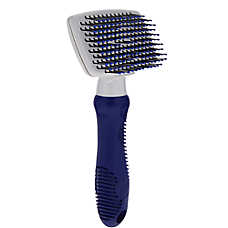
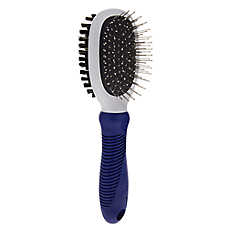
How often you brush depends on coat type. Short-haired dogs need weekly sessions, while long-haired or double-coated breeds benefit from daily brushing to prevent mats and reduce shedding. Choose a brush that matches your dog's coat—slicker brushes work for most breeds, while deshedding tools target undercoats.
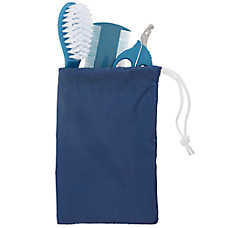
Brush in the direction of hair growth, working in sections. Pay extra attention to areas prone to tangles like behind ears, under legs, and around the tail. Regular brushing distributes natural oils for a healthier coat and gives you a chance to check for skin issues or parasites. Shop dog brushes and combs to find the right tool for your pup.
Bathing
Most dogs need baths every 4-8 weeks, but frequency varies based on activity level, coat type, and skin condition. Use lukewarm water and dog-specific shampoo to protect their skin's pH balance. Wet your dog thoroughly, apply shampoo from neck to tail, and rinse completely to prevent irritation.
Between baths, dog wipes handle quick cleanups for paws, faces, and coats. For dogs with sensitive skin or specific needs, browse dog shampoo and conditioner options.
Nail trims
Overgrown nails affect posture, cause discomfort, and can lead to joint problems. Trim nails every 3-4 weeks or when you hear clicking on hard floors. Use sharp, dog-specific clipper or grinder and trim to just below the quick—the pink area inside the nail that contains blood vessels.
For dogs with dark nails where the quick isn't visible, trim small amounts at a time. If you're uncomfortable trimming at home, PetSmart's dog grooming services include nail trims with experienced groomers.
Ear cleaning
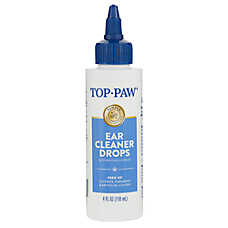
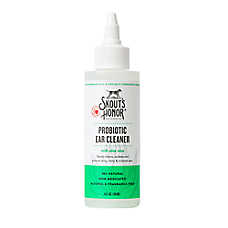
Check ears weekly for dirt, odor, or redness. Dogs with floppy ears or who swim regularly need more frequent cleaning. Use a pet-safe ear cleaner and cotton balls—never cotton swabs, which can damage ear canals. Apply cleaner, massage the base of the ear, then wipe away debris.
If you notice persistent head shaking, scratching, or unusual discharge, consult your veterinarian. Find dog ear and eye care products to support routine maintenance.
Dental care
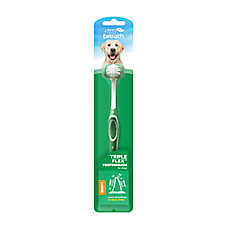
Brush your dog's teeth 2-3 times per week to prevent plaque buildup, bad breath, and dental disease. Use dog-specific toothpaste and a soft-bristled brush or finger brush. Start slowly if your dog isn't used to brushing, rewarding them with praise.
Dental treats and chews supplement brushing by mechanically removing plaque. Look for products approved by the Veterinary Oral Health Council.
Professional grooming
Professional groomers handle breed-specific cuts, thorough nail trims, ear cleaning, and anal gland expression. Book appointments every 6-12 weeks depending on coat type. Groomers also spot potential health issues during sessions. Schedule at PetSmart grooming services for expert care.
Cat grooming checklist
Cats are natural groomers, but they still need help maintaining healthy coats and overall hygiene. Regular grooming strengthens your bond and helps you monitor their health.
Brushing
Brush short-haired cats weekly and long-haired cats daily to prevent hairballs and matting. Use a metal comb for long coats or a soft brush for short coats. Brush in the direction of hair growth, starting at the head and working toward the tail.
Regular brushing reduces shedding, which means fewer hairballs and less fur on furniture. It also gives you time to check for lumps, skin irritation, or parasites. Shop cat brushes and combs to find the right tool.
Bathing
Most cats don't need regular baths since they groom themselves, but long-haired breeds or cats who get into messes may need occasional bathing. Use lukewarm water and cat-specific shampoo. Keep water away from ears and eyes.
Nail trims
Trim your cat's nails every 2-4 weeks to prevent overgrowth and protect furniture. Use cat-specific clippers and trim just the sharp tip, avoiding the pink quick. If your cat resists, trim one or two nails at a time and offer treats.
Regular nail maintenance paired with scratching posts helps cats keep nails naturally filed. Find cat nail clippers and scratching posts to support healthy nails.
Ear cleaning
Check your cat's ears weekly for wax buildup, odor, or redness. Clean only the visible outer ear with a vet-approved cleaner and cotton ball—never insert anything into the ear canal. If you notice excessive scratching, head shaking, or discharge, consult your vet.
Browse cat ear and eye care products for routine maintenance.
Dental care
Brush your cat's teeth 2-3 times per week using cat-specific toothpaste and a soft brush. Start with short sessions and gradually increase duration as your cat adjusts. Dental treats and water additives can supplement brushing.
Dog health checklist
Beyond grooming, routine health checks keep your dog feeling their best. January is an ideal time to schedule appointments, update preventive care, and stock up on essentials.
Annual veterinary checkup
Schedule a wellness exam at least once per year—senior dogs may need biannual visits. Your vet checks weight, teeth, heart, and overall condition while discussing nutrition, behavior, and any concerns. Annual exams catch problems early when treatment is most effective.
Bring your dog's medical history and any questions you have about diet changes, supplements, or behavioral issues.
Dog Vaccinations
Keep your dog current on core vaccines like rabies, distemper, parvovirus, and adenovirus. Depending on lifestyle and location, your vet may recommend additional vaccines for Bordetella, leptospirosis, or Lyme disease. Check vaccination records and schedule boosters as needed.
Parasite prevention
Year-round flea, tick, and heartworm prevention protects your dog from dangerous parasites. Monthly preventives come in topical, oral, and collar forms. Choose the option that best fits your dog's lifestyle and preferences.
Shop dog flea and tick treatment and consult your vet about heartworm preventives. Consistent protection prevents infestations and reduces disease transmission.
Weight check
Monitor your dog's weight monthly. You should be able to feel ribs easily but not see them prominently. Excess weight strains joints, increases diabetes risk, and shortens lifespan. If your dog needs to lose or gain weight, work with your vet on a nutrition plan.
Nutrition review
Review your dog's diet annually or when life stages change. Puppies, adults, and seniors have different nutritional needs. Choose high-quality food appropriate for your dog's age, size, and activity level. If you're considering supplements, discuss options with your vet.
Explore dog vitamins and supplements to support joint health, digestion, skin and coat, or overall wellness.
Cat health checklist
Cats hide illness well, making routine health checks even more important. Stay proactive with preventive care, regular vet visits, and home monitoring.
Annual veterinary checkup
Schedule at least one wellness exam per year for adult cats and two per year for senior cats (age 7+). Your vet checks teeth, heart, kidneys, and thyroid function while discussing diet, behavior, and any health changes. Early detection improves outcomes for many conditions.
Keep vaccination records handy and mention any changes in eating, drinking, litter box habits, or activity level.
Cat Vaccinations
Core vaccines for cats include rabies, feline distemper (panleukopenia), calicivirus, and herpesvirus. Indoor cats still need protection, and outdoor cats may require additional vaccines like feline leukemia (FeLV). Review vaccination schedules with your vet.
Parasite prevention
Protect your cat year-round from fleas, ticks, and internal parasites. Even indoor cats can encounter fleas brought in on clothing or by other pets. Monthly preventives simplify protection and reduce the risk of infestations.
Browse cat flea and tick treatments and discuss heartworm prevention with your vet, especially if your cat goes outdoors.
Weight check
Weigh your cat monthly and watch for gradual changes. You should feel ribs easily without seeing them prominently. Obesity in cats increases the risk of diabetes, arthritis, and urinary issues. If weight management is needed, work with your vet to adjust portions or food type.
Nutrition review
Evaluate your cat's diet annually. Kittens, adults, and seniors need different nutrient ratios. Cats are obligate carnivores and require high-quality animal protein. Consider life stage, activity level, and any health conditions when selecting food.
Explore cat vitamins and supplements for targeted support like urinary health, hairball control, or joint mobility.
Litter box monitoring
Check litter boxes daily for changes in urine output, stool consistency, or blood. Increased urination or straining can indicate urinary tract issues, diabetes, or kidney disease. Contact your vet if you notice any changes in litter box habits.
FAQs
How often should I groom my dog?
Grooming frequency depends on coat type. Short-haired dogs need weekly brushing and monthly baths, while long-haired breeds require daily brushing and baths every 4-6 weeks. All dogs need nail trims every 3-4 weeks and regular dental care.
Do cats really need grooming?
Yes. While cats groom themselves, they still benefit from regular brushing to reduce hairballs and matting, nail trims to prevent overgrowth, and dental care to prevent disease. Long-haired cats especially need help maintaining their coats.
What if my pet hates grooming?
Start slowly with short sessions and positive reinforcement. Use treats, praise, and breaks to build positive associations. Professional groomers are trained to handle anxious pets safely. Consider booking an appointment at PetSmart grooming services for expert help.
How often do pets need vet checkups?
Adult dogs and cats need annual wellness exams. Senior pets (age 7+ for dogs, cats) benefit from checkups every six months to catch age-related issues early. Puppies and kittens require more frequent visits for vaccinations and growth monitoring.
Can I skip flea prevention in winter?
No. Fleas survive indoors year-round, and heartworm-carrying mosquitoes can be active in warmer climates throughout winter. Year-round prevention is the safest approach to protect your pet and prevent infestations.
Why choose PetSmart for grooming and health needs?
PetSmart offers complete care for your pet's grooming and health routines. Professional grooming services handle everything from basic baths to breed-specific cuts, with trained stylists who prioritize your pet's comfort and safety.
Need supplies for at-home care? PetSmart carries dog grooming supplies and cat grooming supplies, plus dog health and wellness and cat health and wellness products to keep your pets healthy year-round.
PetSmart offers convenient shopping with Curbside Pickup or in-store pickup. Need something today? Select items are available for Same-Day Delivery in most areas powered by DoorDash. For items you purchase frequently, Autoship automatically delivers what you need as often as you'd like.
Information in this article is not intended to diagnose, treat or cure your pet and is not a substitute for veterinary care provided by a licensed veterinarian. For any medical or health-related advice concerning the care and treatment of your pet, contact your veterinarian.