
4th of July Safety for Pets: Fireworks, BBQs and Travel Tips
In this Article
Key takeaways
- The Fourth of July is one of the most common days for pets to go missing. Updated ID tags and microchip registration before the weekend are essential
- Fireworks aren’t just stressful for pets, they can trigger panic severe enough for dogs and cats to leap through windows or destroy crates trying to escape
- Keep pets indoors during fireworks, in a windowless room if possible, not confined to a crate
- Common BBQ foods including bones, corncobs, onions, garlic, grapes, chocolate, and anything with xylitol are all hazardous to pets
- If your dog has significant noise anxiety, talk to your vet before the holiday, prescription anti-anxiety options exist and need to be arranged in advance
- Check the yard for fireworks debris before letting your pets out the morning after
Fourth of July is a great day for people. For a lot of dogs and cats, it’s genuinely one of the hardest days of the year. Fireworks that come without warning, unfamiliar guests, outdoor celebrations in summer heat, tables full of food that shouldn’t be anywhere near them, all of it lands on one holiday at once.
The good news is that most of the risks are entirely preventable. This guide covers everything from fireworks anxiety and BBQ hazards to travel prep and post-holiday yard checks, so you can enjoy the holiday knowing your pet is safe.
Fireworks: the biggest risk of the night
Fireworks are unpredictable, loud, and come from directions pets can’t anticipate. For dogs and cats with noise sensitivity, the experience can be genuinely terrifying. The Fourth of July is consistently one of the highest-volume days for lost pet reports, with fireworks being the most common trigger for pets running away. Animals in full panic have been known to leap through glass windows and chew through crates in an attempt to escape the noise.
Preparation makes the difference between a pet who gets through the night stressed but safe, and one who ends up lost or injured. Why dogs hate the Fourth of July explains the physiology behind noise phobia in more detail.
Before the fireworks start
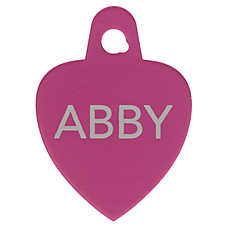
- Update ID tags and microchip registration now: This is the single most important thing you can do before the holiday. Make sure your contact information on both the tag and the microchip database is current. It’s also helpful to ensure your veterinarian’s information is associated with your pet’s microchip registration whenever possible, so medical history and emergency contacts are easier to access if your pet is injured while missing. A panicked dog who slips out of a collar or a cat who darts through an open door needs every advantage.
- Exercise your dog earlier in the day: A long walk or vigorous play session in the morning burns off energy and leaves your dog in a calmer baseline state going into the evening.
- Talk to your vet in advance: If your dog has a history of severe fireworks anxiety, reaching out to your vet before the holiday is the right move. Prescription anti-anxiety medications can help significantly, but they need to be prescribed and ideally tested before the actual event, not requested the morning of July 4.
- Set up a safe space before sunset: An interior room away from windows and the sounds of the street. A familiar bed, a few toys, a water bowl, and something to occupy them. Don’t wait until the first rocket goes off to think about where your pet will be.
During fireworks
- Keep pets indoors: In a windowless interior room if possible, not outside, even in a fenced yard. Pets in panic can clear fences, slip collars, or bolt through gates.
- Use your pet’s normal safe space: For many crate-trained dogs, a crate is actually a source of comfort during stressful events and can feel like a secure den. If your dog already uses their crate regularly and finds it calming, keeping it available during fireworks can help. For dogs who are not crate trained, however, a noisy, stressful event is not the time to introduce confinement. In those cases, a quiet interior room with access to hiding spots may feel safer.
- Let them hide: A dog under the bed or a cat behind the couch is using a healthy coping mechanism. Don’t try to pull them out or force reassurance. Making the hiding spot accessible and comfortable is the right approach.
- Close windows, curtains, and blinds: Reducing both the sound and the light flash from fireworks helps. Soft music or white noise at a moderate volume can further mask the external sounds.
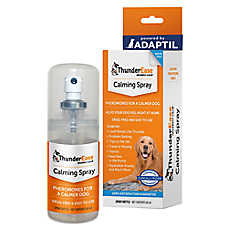
- Use calming aids: Pheromone sprays or diffusers (like Adaptil for dogs, Feliway for cats), anxiety wraps, and calming supplements can all help with mild to moderate anxiety. Apply or administer these before fireworks begin, not after your pet is already distressed.
- Stay calm yourself: Your pet reads your energy. Hovering anxiously or repeatedly reassuring your dog can reinforce the idea that there’s something to be afraid of. Matter-of-fact calm is the most useful thing you can offer.
For cats specifically, how to help calm your cat’s anxiety and for dogs, is my pet stressed? both cover recognizing anxiety and the range of tools available.
BBQ and party safety
Holiday gatherings are full of hazards that don’t exist on a typical Tuesday. The combination of unfamiliar food, guests who may not know the rules, open doors, and a general atmosphere of distraction creates real risk for curious pets.
Foods that are toxic to pets
These are among the most common holiday food hazards for pets:
- Chocolate: Toxic to both dogs and cats. Darker chocolate is more dangerous, but all chocolate should be treated as off-limits.
- Alcohol: Even small amounts can cause tremors, vomiting, and seizures. This includes beer, wine, cocktails, and anything containing alcohol.
- Onions and garlic: Both raw and cooked, including powdered forms found in marinades and seasonings. Can cause damage to red blood cells.
- Grapes and raisins: Can cause kidney failure in dogs. The mechanism isn’t fully understood, but there’s no safe threshold, so keep them away entirely.
- Xylitol: An artificial sweetener found in some sugar-free drinks, desserts, peanut butter, chewing gum, candies, and condiments. Xylitol causes a dangerous drop in blood sugar and can lead to liver damage in dogs, even in very small amounts.
- Macadamia nuts: Can cause weakness, vomiting, and hyperthermia in dogs.
- Corn on the cob: The cob itself, not the corn, is a choking and blockage hazard. Dogs can swallow large pieces that create dangerous intestinal obstructions.
- Bones: Especially cooked bones from ribs, chicken, or other grilled meats. Cooked bones splinter and can cause oral injuries, choking, or internal punctures.
- Fatty meats and table scraps: Rich, fatty foods can cause GI upset and, in more significant amounts, trigger pancreatitis.
Let guests know before they ask. A quick mention that your dog looks adorable but really shouldn’t have any of the food handles most well-meaning table-scrap offers before they happen.
Grill and outdoor hazards
- Keep pets away from the grill: Both while it’s in use and while it’s cooling down. Grill surfaces stay hot long after the food is done, and curious dogs can burn their noses or paws on contact.
- Secure waste and scraps: A trash bag by the grill filled with bones, skewers, and food scraps is a hazard. Use a lidded container and don’t leave bags unsecured.
- Collect kabob skewers: These are a particular hazard. A dog who grabs a skewer can swallow or impale themselves. Account for all of them.
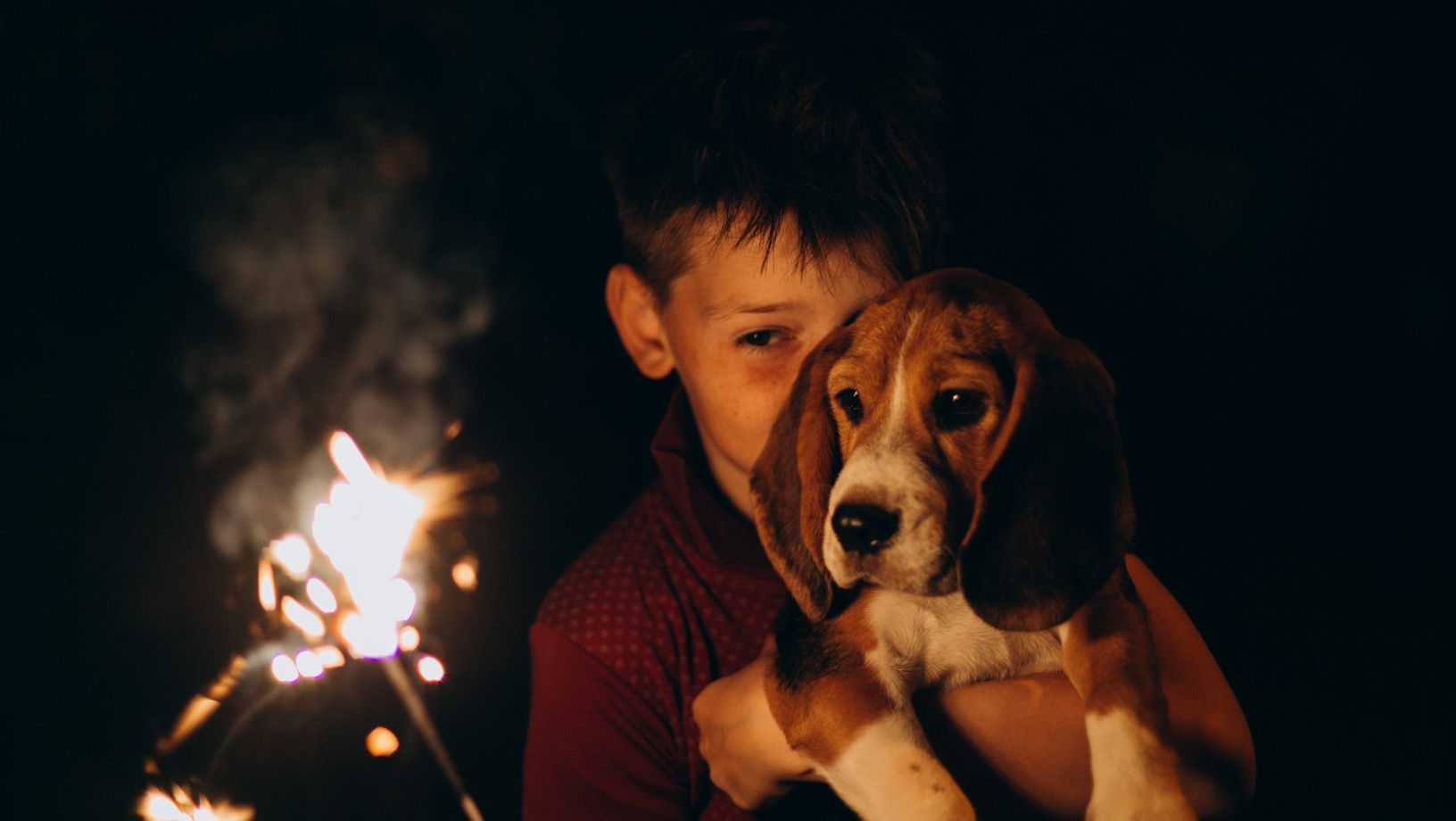
- Sparklers and glow sticks: Both are hazards worth keeping away from pets. Sparklers burn at extreme temperatures and cause serious burns on contact. Glow stick contents aren’t acutely toxic but cause mouth irritation and drooling if chewed.
- Keep gates closed and designated: A house full of guests means doors and gates are opened and closed repeatedly. Designate someone to be aware of this, or use a baby gate to keep your pet away from the primary entry points.
Managing pets during a party
Not every dog wants to be part of the party, and some cats disappear entirely when guests arrive, which is fine. The goal is making sure your pet has a safe option regardless of whether they want to socialize.
- Set up a quiet room with your pet’s bed, water, and a few toys before guests arrive
- If your dog is social and will be out with guests, keep them on a leash or tether if the environment is chaotic enough to create escape risk
- Ask guests specifically not to feed your pet, including treats they might think are harmless
- Check that all gates and fences are secure before the party starts, not after the first guest arrives
Identification and containment
The week before the Fourth of July is the right time to handle ID. Not the day before, and certainly not after your pet is already missing.
- Check that your dog or cat’s collar is properly fitted and the ID tag is legible and current
- Verify that your microchip registration is accurate, including your current phone number and veterinarian information
- Make sure your pet’s microchip is registered to you specifically, not just the breeder or shelter
- Take a recent clear photo of your pet and save it to your phone. If they go missing, you’ll want to share it immediately
- Check your yard fence for any gaps, damage, or sections that could be pushed through by a panicked dog
Cats who go outdoors should be kept inside for the full holiday weekend, not just the night of the fireworks. Debris, fireworks, and disrupted environments create risk beyond just the noise itself.
For pets with severe noise anxiety, boarding or doggie day camp may also be worth considering during major fireworks holidays. Some pets do better in a professionally supervised environment designed to minimize stress and reduce escape risk, particularly if being home alone during fireworks tends to worsen anxiety.
Heat and hydration during summer gatherings
The Fourth of July falls in the height of summer, and outdoor celebrations in July heat add a real health dimension to an already complex day for pets.
- Fresh water at all times: Keep a dedicated water bowl for your pet somewhere guests won’t accidentally kick it, and check it regularly.
- Shade is mandatory: If your dog will be outside for any portion of the gathering, a shaded space must be available and accessible to them at all times.
- No hot pavement: On a 90-degree day, asphalt can reach temperatures that burn paw pads within seconds. Walks should happen on grass or early in the morning, not across the driveway midday.
- Flat-faced breeds need extra protection: French Bulldogs, Bulldogs, Pugs, Boston Terriers, Boxers, and Persian cats overheat faster than other breeds and should have limited outdoor time in summer heat regardless of other circumstances.
- Never leave a pet in a parked car: Vehicle interiors reach dangerous temperatures within minutes on a warm day, even in shade, even with windows cracked.
For a full heat safety reference, heat and summer safety tips for dogs covers signs of overheating and what to do if your pet gets too hot.
Traveling with your pet over the holiday
If you’re traveling for the Fourth, plan around the realities of summer heat, holiday traffic, and the fact that your destination will be louder and more chaotic than home.
- Book boarding or a pet sitter early: Holiday weekends fill up fast. If your pet isn’t coming with you, sort this out well before the week of the holiday. Tips when boarding your dog covers what to prepare.
- If traveling by car: Keep the car cooled down before loading your pet, bring more water than you think you’ll need, and plan for breaks every two hours. Never leave your pet in the vehicle at rest stops.
- Secure containment for travel: A crate or crash-tested harness keeps your dog safer in the car and tends to reduce travel anxiety. travel safely with your dog and how to travel with a cat cover both species.
- Flea and tick prevention: Summer outdoor gatherings mean increased parasite exposure. Make sure prevention is current before the holiday weekend. dog flea prevention and tick removal and prevention tips have the details.
- Familiar items: A blanket, bed, or toy from home helps your pet settle in an unfamiliar location, especially if there will be fireworks at your destination.
The morning after: post-holiday checks
Check your yard for fireworks debris before letting pets out the morning after July 4. Even if you didn’t set off fireworks yourself, debris can travel from neighboring displays or public shows into your yard. Remnants of fireworks, unexploded shells, and chemical residue are all hazards for dogs who investigate everything with their noses and mouths.
- Walk the yard before your dog goes out and collect any debris you find
- Check the perimeter fence for any damage from the previous night
- If you hosted guests, do a thorough scan for food scraps, skewers, wrappers, and anything else that shouldn’t be accessible to your pet
- If your cat was outside at any point, check them over for any signs of stress, injury, or exposure to chemicals
Frequently asked questions (FAQs)
My dog is terrified of fireworks every year. What actually helps?
A combination of approaches works better than any single solution. An interior room with familiar items, white noise or soft music to mask the sounds, calming pheromone products, and an anxiety wrap can all help. For dogs with significant annual distress, talk to your vet before July 4 about prescription anti-anxiety medication. These need to be prescribed and tested before the event, not requested the day of. Starting that conversation at least two weeks out gives you time to find what works.
For dogs with severe, predictable anxiety around fireworks, boarding or day camp in a calm, supervised environment may also be an option worth discussing, especially if being home during neighborhood fireworks consistently leads to panic.
Is it okay to bring my dog to a Fourth of July party?
It depends on the dog and the party. Social, confident dogs who handle noise and crowds well may genuinely enjoy it. Dogs who are noise-sensitive, anxious, or reactive to crowds or strangers are better off at home in a calm, controlled environment. Trying to include a dog who isn’t suited for it often makes the holiday harder for everyone. Know your dog honestly.
My cat got outside during fireworks. What should I do?
Stay calm and start searching immediately. Frightened cats often don’t travel far but hide and stay hidden, sometimes for days. Check under and behind things close to home first. Leave your garage or a door cracked if safe, so they have a way back in. Post on local community groups and apps like Nextdoor immediately with a photo. Contact local shelters and leave your information. If your cat is microchipped, verify the registration is current so a scanner can reach you. Contact your veterinarian as well, especially if your pet has medical conditions or medications that may be relevant if they’re found by a shelter or emergency clinic.
Are there any foods from the grill that are safe to share with my dog?
Plain, boneless, fully cooked lean meat in very small amounts, such as a small piece of unseasoned chicken or beef, is generally not harmful for a healthy dog. The operative words are plain, boneless, small, and occasional. What makes BBQ food risky for dogs isn’t usually the meat itself, it’s the seasonings, marinades, sauces, bones, fat, and the tendency for small treats to become large treats once guests get involved.
What should I do if my pet eats something toxic at the party?
Call your veterinarian or the ASPCA Animal Poison Control Center (888-426-4235) immediately. Don’t wait for symptoms to appear. The faster you act, the more options you have. Have the substance your pet ingested identified as specifically as possible, including the ingredient list if you have it, before you call.
Information in this article is not intended to diagnose, treat or cure your pet and is not a substitute for veterinary care provided by a licensed veterinarian. For any medical or health-related advice concerning the care and treatment of your pet, contact your veterinarian.