Pet Boarding Over the Holidays: Booking Timelines and What to Bring
In this Article
Key takeaways
- Holiday boarding fills faster than most people expect: four to six weeks out is a reasonable booking window for Thanksgiving, and six to eight weeks for the Christmas and New Year’s period
- Vaccination records are required at check-in at most facilities, and some vaccines need to be administered days in advance to be effective, so confirm your dog’s status early
- The packing list for a boarding stay is shorter than people tend to make it: a familiar-smelling item, medication with clear instructions, and current feeding information covers most of it
- Drop-off and pickup logistics vary by facility, and holiday hours in particular may be different from standard operating hours, so confirm both before your trip
- A trial night before a long holiday stay is the single best thing you can do if your dog has never been boarded before
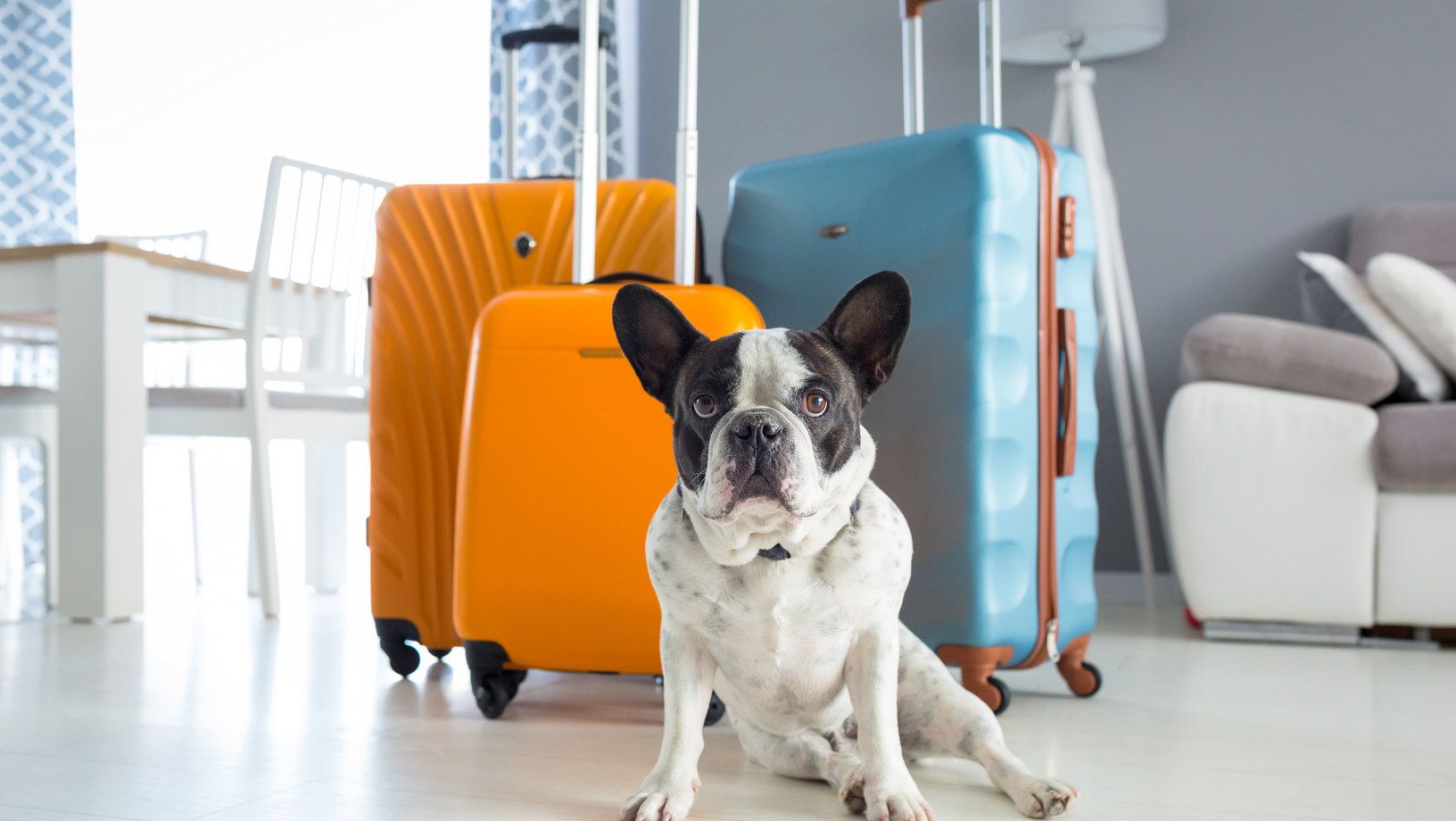
Holiday travel planning tends to happen in layers. Flights get booked first. Hotels, rental cars, family logistics follow. Dog boarding ends up somewhere toward the end of the list, which is exactly backwards: holiday boarding spots, especially for the Thanksgiving and Christmas windows, go quickly.
This guide covers the practical details: when to book, what you need to have in order before they arrive, what to bring, and what to expect around drop-off and pickup. If you’re still deciding which facility to use, Dog Boarding 101 covers how to evaluate your options.
When to book: holiday timing by window
The single most useful thing this guide can tell you is to book earlier than feels necessary. Holiday boarding is a limited-capacity business, and facilities don’t expand just because demand does. Here’s a general framework for when spots tend to fill:
Thanksgiving
This is the busiest single boarding window of the year for most facilities. Spots for the Wednesday before Thanksgiving through the Sunday after can be gone four to six weeks before the holiday. If your Thanksgiving travel is confirmed, boarding should be the next thing you book.
Christmas and New Year’s
The extended length of this window, which often spans a week or more for families traveling over both holidays, makes it the most capacity-constrained period overall. Six to eight weeks out is a reasonable booking target. December 23 through January 2 is the tightest stretch.
Other holiday weekends
Memorial Day, Fourth of July, and Labor Day are busy but more forgiving than the winter holidays. Two to three weeks out is typically sufficient, though popular facilities in high-travel areas fill faster than average.
When in doubt, book and cancel if plans change. Most facilities have cancellation windows. A reserved spot you end up not needing is a better outcome than a scramble the week before you leave.
Most boarding facilities require proof of current vaccination before check-in, every time, without exceptions. This isn’t paperwork for its own sake: it protects every dog in the facility. Know what’s required and confirm your dog is current before your travel dates arrive.
Standard required vaccines
- Rabies: Required by law in most states and required by virtually all facilities. Make sure your certificate is current and not expiring during the stay.
- DHPP (distemper, hepatitis, parvovirus, parainfluenza): Core vaccine, required at essentially all facilities.
- Bordetella (kennel cough): Required for boarding at any facility where dogs are in contact with other dogs, which is all of them. Some facilities require this to have been administered at least a week before check-in to be effective, so don’t leave this until the last minute.
Sometimes required
- Canine influenza (H3N2 and H3N8): Required at some facilities, particularly in areas that have seen outbreaks. Worth asking about when you book.
- Leptospirosis: Required by some facilities depending on regional risk. Your vet can advise on whether this is appropriate for your dog.
The practical move: pull your dog’s vaccination records now, before your travel is imminent. If anything is expiring in the next few months, schedule a vet appointment sooner rather than later. A vaccine administered too close to your travel date may not be accepted. Call the facility and confirm their specific requirements when you book, since requirements vary.
What to bring
The packing list for a boarding stay is genuinely short. Resist the impulse to send your dog with half their belongings.
Bring
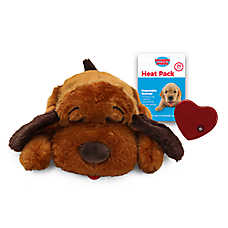
- One familiar-smelling item: A blanket, a worn t-shirt, or a small toy from home may help your dog settle in a new environment. One item is enough. Confirm with the facility that personal items are allowed and ask how they handle them.
- Enough food for the stay, plus a day extra: Send your dog’s regular food in a labeled, sealed container with clear daily portion instructions. Switching foods during a boarding stay is a reliable way to create digestive upset, so even if the facility offers their own food, bringing yours is the right call.
- Medications with written instructions: Any prescription or over-the-counter medication your dog takes should arrive in its original packaging with your name, your dog’s name, the dose, and the timing written clearly. Verbal instructions at drop-off get forgotten.
- Vaccination records: Bring a physical copy even if you’ve already provided them digitally. It removes friction at check-in.
- Emergency contact information: Your phone number, an alternate contact for if you’re unreachable, and your vet’s contact information.
Leave at home
- Toys your dog guards or plays roughly with: In a shared environment, resource guarding can create problems. If your dog has a history of guarding toys, leave them at home.
- Excessive bedding or multiple items: One familiar item is enough. Facilities have limited space per dog, and more items create more to track and clean.
- Rawhide or high-value chews: These can create resource guarding issues and are a choking hazard without close supervision.
Drop-off and pickup: what to expect
Drop-off
Arrive at the scheduled time rather than early. Facilities manage intake carefully, and a dog showing up ahead of schedule can create logistical problems. Walk your dog before you go in, so they arrive relatively calm rather than wound up.
Keep the goodbye short. A long, emotional goodbye may amplify your dog’s anxiety rather than comforting them. Hand off the paperwork, say a quick goodbye, and leave. Most dogs settle within minutes of their owner leaving. A drawn-out departure makes that transition harder, not easier.
Holiday hours
This is the detail most people miss: boarding facilities may operate on reduced hours over the holidays themselves. Christmas Day and Thanksgiving Day in particular may have limited or no pickup windows. Confirm the holiday schedule when you book.
Pickup
Check whether your facility charges for the pickup day. Some facilities charge a full night if pickup is after a certain hour, even if your dog was only there for part of the day. Knowing this in advance lets you plan accordingly.
Ask for a report card or verbal summary at pickup. How your dog ate, how they slept, whether there were any behavioral notes, and how they interacted with other dogs or staff gives you useful information for future stays.
Book PetsHotel for the holidays
PetSmart PetsHotel locations are a great place for your pets to stay Thanksgiving and Christmas periods. If you’re planning to board at PetsHotel this holiday season, booking as early as possible is recommended to ensure you can secure your preferred dates. Check your local PetSmart’s PetsHotel availability and current vaccination requirements when you book.