
How to Prepare Your Dog for Longer Walks & Spring Exercise
In this Article
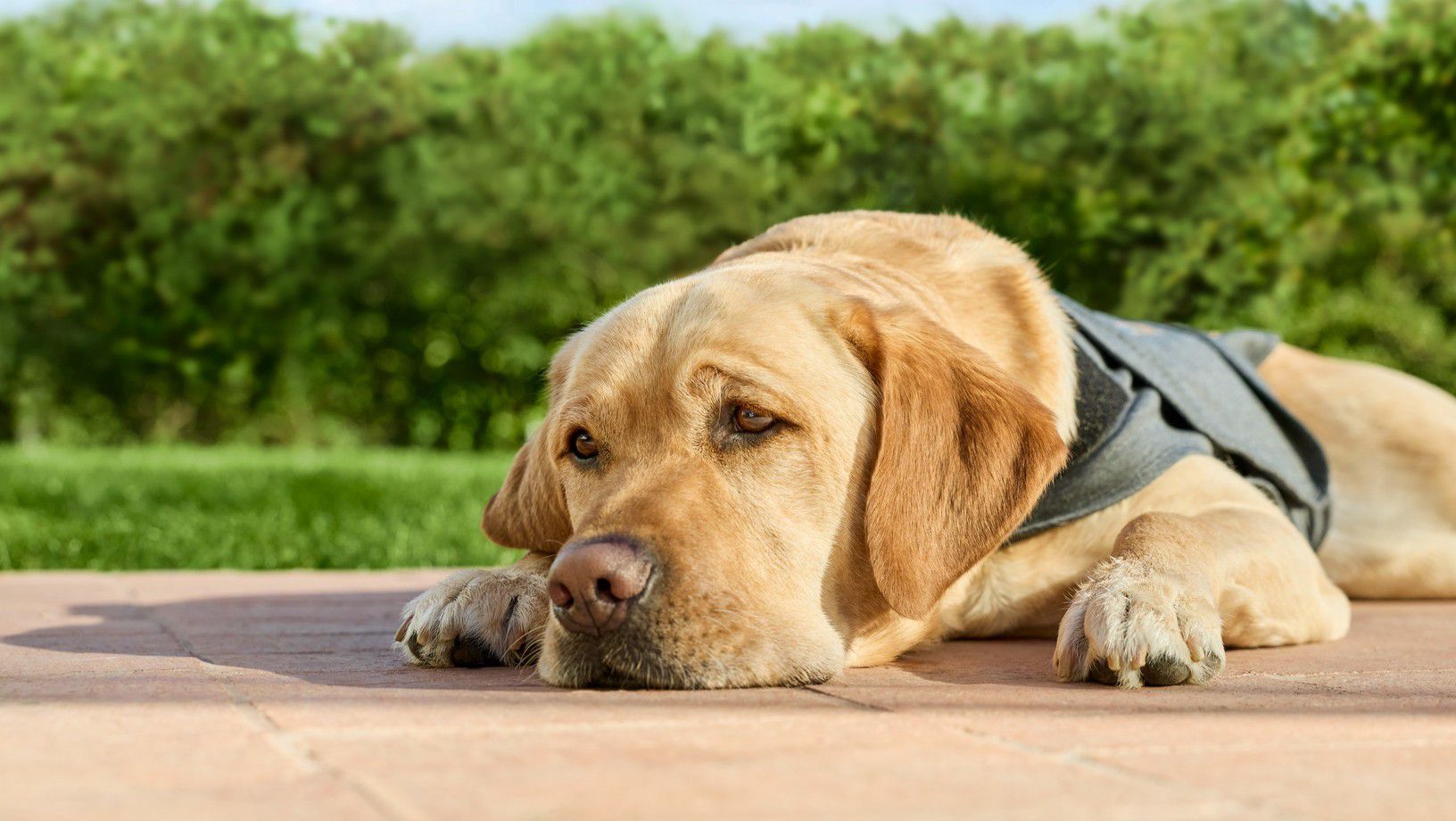
Warmer weather and longer days make spring the perfect time to get outside with your dog. But if your pup has been less active over winter, jumping straight into long walks or intense exercise can be hard on their body. The good news is that with a gradual approach and the right gear, you can build your dog’s endurance safely and make every outing more enjoyable.
This guide walks you through how to ramp up activity this spring, from setting a baseline to choosing the right equipment and reading your dog’s cues along the way.
Start with a vet check-in
Before increasing your dog’s activity level, a quick check-in with your veterinarian is a smart first step. This is especially important for:
- Senior dogs, who may have joint stiffness or underlying conditions that affect what exercise is appropriate
- Puppies, whose bones and joints are still developing
- Dogs who were less active over winter and need a gradual ramp-up
- Dogs with a history of heart, respiratory, or orthopedic issues
Your vet can give you a realistic picture of what your dog is ready for and flag any concerns before you get started.
If you’re not sure where to begin, check out our article on how much exercise your dog needs for a helpful starting point.
Know your dog’s exercise baseline
Exercise needs vary widely by age, breed, and individual health. Adult dogs generally benefit from 30 minutes to two hours of physical activity per day, though that range covers a lot of ground. A Border Collie and a Basset Hound have very different needs.
A few things to keep in mind:
- Breed and size matter. High-energy breeds like herding dogs and retrievers typically need more sustained activity, while smaller or lower-energy breeds may be happy with shorter walks.
- Appearance isn’t everything. A dog can look healthy and still be unfit for extended exercise if they haven’t been moving much recently. Gradual conditioning matters.
- Age affects capacity. Puppies under a year need shorter, more frequent outings with plenty of breaks. Senior dogs may need a gentler pace and shorter distances.
Build endurance gradually
The key principle for spring exercise is consistency over intensity. You want to increase duration and distance gradually, giving your dog’s muscles, joints, and cardiovascular system time to adapt.
Here’s a simple framework to follow:
- Start shorter than you think you need to. If your dog hasn’t been walking much, begin with 15 to 20-minute outings rather than diving into hour-long hikes.
- Add time in small increments. Increasing walk time by five to 10 minutes per week is a sustainable pace for most dogs. For seniors, smaller increases are better.
- Allow recovery days. Rest days between longer walks give muscles time to recover, especially when you’re first building up.
- Let your dog set the pace. Your dog’s comfort and energy level should guide how quickly you progress. Some days they’ll be ready to go further; other days they won’t.
As your dog builds fitness over a few weeks, you can introduce varied terrain, slightly longer routes, and added play at the end of a walk to keep things interesting.
Signs your dog needs a break
Dogs can’t always tell you when they’ve had enough. Learning to read their body language is one of the most important parts of safe exercise.
Slow down or stop if you notice:
- Excessive panting or labored breathing
- Lagging behind or refusing to continue
- Excessive yawning, lip licking, or drooling
- Limping or favoring a leg or paw
- Seeking shade and lying down mid-walk
- Glazed or unfocused expression
Brachycephalic breeds (flat-faced dogs like French Bulldogs, Pugs, and English Bulldogs) are especially prone to overheating and breathing difficulty and may need shorter, slower outings even in mild spring weather. When in doubt, take a rest break, offer water, and head home.
Get your gear right
The right equipment makes walks safer and more comfortable for both of you. Here’s what to consider:
Harness vs. collar
For longer walks or dogs that tend to pull, a harness is worth considering. A harness distributes pressure across the chest and back rather than the neck, which is easier on your dog’s throat and gives you more control on uneven ground. Browse dog harnesses at PetSmart to find a well-fitting option for your pup’s size and body shape. Not sure which type is right? Our guide on how to choose a dog harness covers the key differences. A well-fitted collar with an up-to-date ID tag is still a good everyday option for dogs that walk calmly on leash. Explore dog collars at PetSmart.
Leash length and type
A standard four to six-foot leash gives you good control on sidewalks and trails. Longer training leashes are useful for practicing recall in open spaces. Browse dog leashes at PetSmart, and check out our Learning Center article on how to choose a dog leash, collar, and harness for more guidance.
Water on the go
Hydration is important on any walk longer than 20 to 30 minutes. Bring fresh water from home and a collapsible bowl so you can offer regular water breaks, especially on warmer spring days.
Training basics for better walks
Good leash manners make longer walks more enjoyable for everyone. If your dog pulls, zigzags, or reacts to every passing dog or squirrel, spring is a great time to work on the basics.
A few skills that make a real difference:
- Loose leash walking. Teaching your dog to walk beside you without tension on the leash takes patience and consistent practice. Short sessions with plenty of rewards help build the habit.
- Sit or wait at crossings. A reliable sit or wait cue keeps your dog safe at intersections and gives you control in busy environments.
- Recall. A solid recall (coming when called) gives you a safety net if your dog ever gets off leash unexpectedly.
If you want professional support, PetSmart’s expert dog training offers group and private sessions taught by accredited trainers using positive reinforcement. Classes are available for puppies through adult dogs at all skill levels. Use dog training treats to keep your pup motivated during training sessions.
Mix in play for a well-rounded routine
Physical exercise doesn’t have to be just walking. Mixing in play sessions helps burn energy, strengthens your bond, and keeps things mentally stimulating for your dog.
- Fetch and tug. High-energy play like fetch and tug provides a great cardio boost in a short amount of time. Browse dog toys at PetSmart to find options suited to your dog’s size and play style.
- Vary your route. Changing up the path introduces new smells and sights, which gives your dog’s brain a workout alongside their body. Scent exploration is genuinely tiring for dogs.
- Sniff breaks count. Letting your dog stop and sniff during walks isn’t slowing things down. It’s enrichment. Sniff time burns mental energy and makes walks more satisfying for your dog.
For more ideas to keep your dog active and engaged, visit our article on indoor dog activities and training tips.
Frequently asked questions (FAQs)
How long should dog walks be in spring?
It depends on your dog’s age, breed, and current fitness level. A good starting point for most adult dogs is 20 to 30 minutes per outing, with the goal of gradually increasing duration over several weeks. Puppies and senior dogs generally do better with shorter, more frequent walks.
How do I know if my dog is getting enough exercise?
A well-exercised dog is typically calm at home, maintains a healthy weight, and settles easily after outdoor time. Signs of under-exercise include restlessness, destructive behavior, and weight gain. If you’re concerned, your vet can help you assess whether your dog’s current routine is meeting their needs.
Is a harness better than a collar for walking?
For dogs that pull or for longer walks and hikes, a harness is often a better choice because it distributes pressure more evenly and reduces strain on your dog’s neck. A collar is still a practical option for dogs that walk calmly on leash. See our guide on how to choose a dog harness for more detail.
Can I take my puppy on long walks in spring?
Puppies under a year old have developing joints that aren’t ready for high-impact or extended exercise. Shorter outings with rest breaks are better for young dogs. Speak with your vet about what duration and terrain are appropriate based on your puppy’s age and breed.
What should I bring on a longer walk with my dog?
Fresh water and a collapsible bowl are essentials for any walk over 20 to 30 minutes. A well-stocked first aid kit, waste bags, and a reliable ID tag on your dog’s collar or harness are also good habits. On warmer days, plan your walk for cooler morning or evening hours and avoid hot pavement.
How do I stop my dog from pulling on the leash?
Loose leash walking takes consistent practice. Reward your dog when they walk calmly by your side, stop moving when they pull, and try a no-pull harness if you need extra control. PetSmart’s expert dog training classes can help you work through leash manners with the support of an accredited trainer.
Need other supplies while you’re shopping for walking and exercise gear? PetSmart also carries dog food, dog beds, dog treats, dog flea and tick treatment and more. Explore PetSmart’s Dog Shop to find everything your pup needs, all in one place.
PetSmart also offers services such as expert dog training to help your pup build skills and confidence on and off leash.
PetSmart offers convenient shopping with Curbside Pickup or in-store pickup. Need something today? We have select items available for Same-Day Delivery in most areas powered by DoorDash. For items you purchase frequently, PetSmart has Autoship that automatically delivers the items you want to your door as often as you’d like. Check the website to see which items are eligible.
Information in this article is not intended to diagnose, treat or cure your pet and is not a substitute for veterinary care provided by a licensed veterinarian. For any medical or health-related advice concerning the care and treatment of your pet, contact your veterinarian.