
How Much Exercise Does My Dog Need?
In this Article
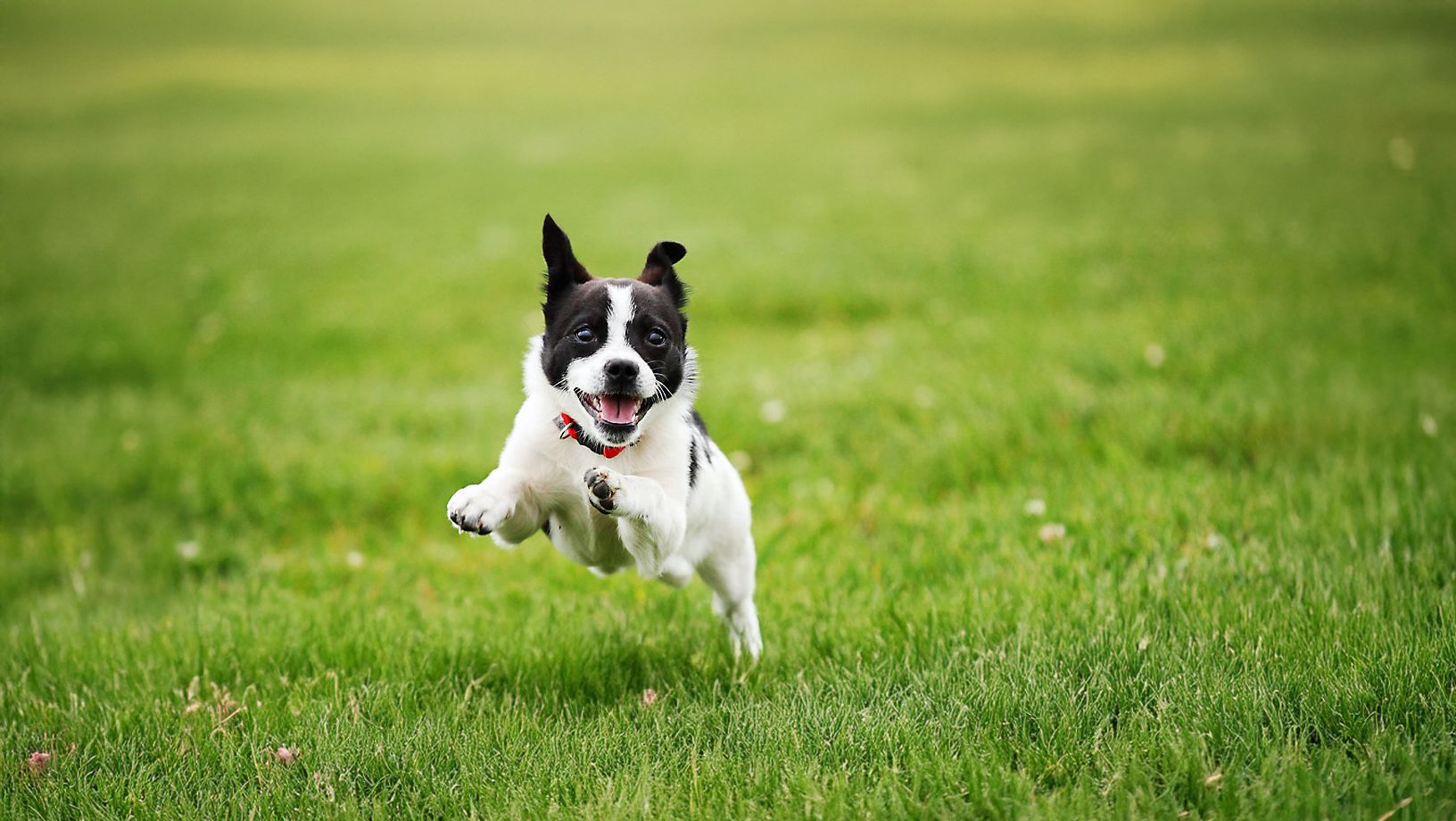
Exercise is one of the most important parts of keeping your dog happy, healthy, and well-behaved. The right amount of activity supports strong muscles, healthy joints, and balanced behavior. But just how much exercise does your dog need? The answer depends on their age, breed, and overall health.
Here’s a guide to help pet parents make informed decisions, with expert insights and advice from PetSmart Veterinary Services.
Exercise Recommendations by Age
Puppies (0–6 months)
Puppies have endless energy but very short attention spans. They thrive on multiple short sessions of activity rather than long workouts.
- Aim for 10 to 15 minutes of gentle play or walking.
- Schedule two to three sessions a day.
- Keep it light to support healthy growth without overdoing it.
Adult dogs (6 months–6 years)
Once your dog is past the puppy stage, they can handle more activity.
- Plan for one to two hours of daily exercise.
- Split into one or two sessions.
- Mix brisk walks, fetch, runs, or agility-style games for body and mind.
Senior dogs (7+ years)
Older dogs still need regular exercise to maintain mobility and prevent weight gain, but their routines should be gentler. A leisurely walk of about an hour per day is typically enough. Monitor for signs of stiffness or fatigue, and adjust intensity to keep your senior comfortable.
Senior dog exercise tips:
- A leisurely walk of about an hour per day is typically enough.
- Watch for stiffness or fatigue.
- Adjust intensity to keep your dog comfortable.
Why gradual conditioning matters
Dogs, like people, should not jump straight into intense activity without preparation. Gradually increasing exercise helps build stamina and prevents injuries like muscle strains. If your dog has had a break from exercise, ease back into activity slowly and steadily.
How to keep your dog safe in the heat
Hot weather can be dangerous for dogs, leading to dehydration or heatstroke. Always exercise your dog during cooler times of the day, such as early morning or evening. Carry water for breaks, avoid hot pavement, and watch for signs of overheating such as heavy panting, drooling, or slowing down.
Do some breeds need more exercise?
Yes. High-energy breeds need extra physical and mental work to stay balanced.
- Australian Shepherds, Border Collies, and Labrador Retrievers often need more activity.
- Add training games, puzzle toys, and scent work to burn mental energy.
- Without enough exercise, dogs may chew or bark excessively.
Professional guidance for pet wellness
If you are unsure how much exercise your dog needs, your veterinarian or a PetSmart Veterinary Care Service near you can help. A veterinarian can assess your dog’s breed, age, and health to create a customized exercise plan. This ensures your dog gets the right amount of activity while staying safe and healthy.
Frequently Asked Questions (FAQs)
How much exercise does a puppy need?
Puppies under six months should have short bursts of activity lasting 10 to 15 minutes, two to three times daily.
What is the recommended exercise for adult dogs?
Adult dogs typically need one to two hours of activity daily, which can be broken into walks, play, or structured exercise sessions.
How should exercise be adjusted for senior dogs?
Senior dogs benefit from gentler exercise such as a leisurely walk of about an hour per day, with adjustments based on their comfort level.
Why is gradual introduction to exercise important?
Gradual conditioning prevents injury and helps your dog build endurance safely, especially after periods of inactivity.
Do all dog breeds need the same amount of exercise?
No. High-energy breeds require significantly more exercise compared to lower-energy breeds, and their activity should include both physical and mental stimulation.
Information in this article is not intended to diagnose, treat or cure your pet and is not a substitute for veterinary care provided by a licensed veterinarian. For any medical or health-related advice concerning the care and treatment of your pet, contact your veterinarian.