Sign up, earn points, get treats
Enable accessibility

What Your Cat’s Dry Nose Could Mean
In this Article
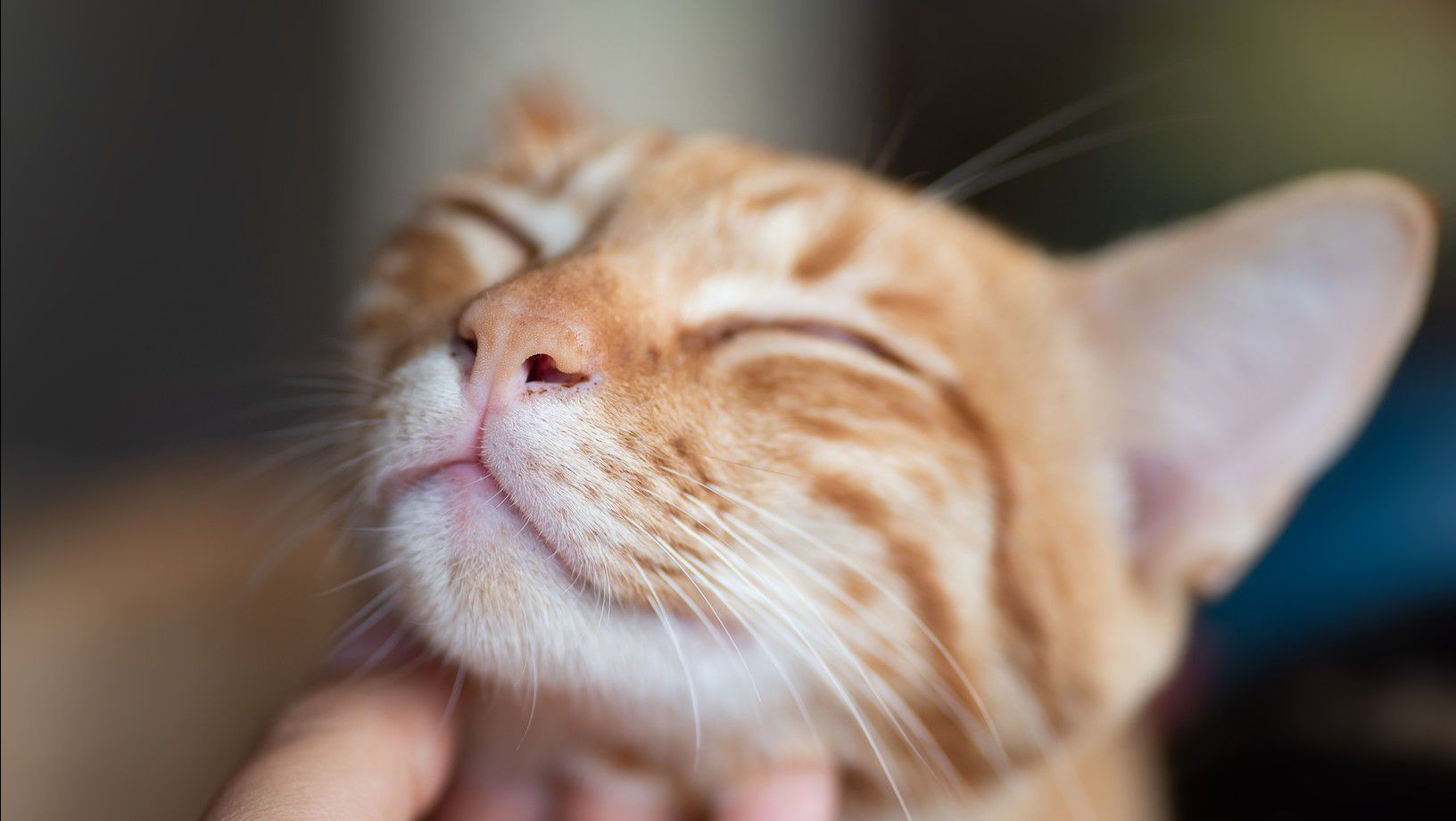
You may have heard that a cat’s nose should be wet, but the truth is a little more flexible. It’s totally normal for a cat’s nose to go from damp to dry and back again throughout the day. So if you suddenly find your cat’s nose dry, don’t panic – it might just be part of their usual routine.
Let’s take a closer look (but not too close – they may boop you!) at what it means when your cat’s nose is dry and when to check in with your vet.
Your cat’s amazing nose
Your cat’s nose isn’t just cute – it’s a super sniffer built for discovery. Cats have around 200 million scent receptors (compare that to your 5 million!), which helps them learn about the world, track prey and even recognize you by smell.
- Scent is everything. Your cat uses their nose to pick up chemical messages from other animals, find food and detect changes in their environment. That’s why they sniff everything – it’s how they gather intel.
- It’s a unique ID. Each cat’s nose has a one-of-a-kind pattern of ridges and bumps, like a fingerprint. Pretty cool, right?
- It helps with flavor. Just like with people, a cat’s sense of smell is closely tied to taste. A cat with a dry or stuffy nose may be less interested in food – another reason it’s good to keep that nose in working order.
So whether it’s sniffing your shoes, chasing a bug or nuzzling up for a cuddle, your cat’s nose is a powerful part of their daily adventures. Should you worry if your cat’s nose is dry? Usually, no. A cat’s dry nose is often no big deal on its own. Just like people, cats can have some variation in temperature and moisture depending on what they’ve been doing. If your cat’s acting normal – eating, playing, napping in their usual sunny spot – then a dry nose probably isn’t anything to stress over.
Why is my cat’s nose dry?
There are plenty of harmless reasons your cat’s nose is dry for a little while. Here are a few:
- They’ve been snoozing. Cats don’t lick their noses while sleeping, so it’s totally normal for their nose to dry out during a nap. It usually moistens again soon after they wake up.
- The air is dry. Whether it’s winter heating or strong summer AC, indoor air can zap moisture – including from your kitty’s nose. Try adding a humidifier if your cat seems extra dry.
- They’re not a nose-licker. Some cats are more fastidious groomers than others. A cat who doesn’t lick their nose often might naturally have a drier one.
In each of these cases, a dry nose in cats doesn’t signal anything serious – just a little environmental or personal quirk.
It’s also worth knowing that cats have sweat glands around their nose area, so in some cases, a dry nose may simply mean your cat isn’t actively sweating. On its own, this usually isn’t a problem. However, if a dry nose appears alongside signs of overheating, illness or dehydration, it could be an early clue that your cat needs extra attention.
When a dry nose may be a red flag
Sometimes, a cat’s dry nose can point to a health concern, especially if it comes with other symptoms. Here’s what to watch for:
- Cracks, crusts or bleeding. A chapped, cracked or crusty nose might mean your cat is dehydrated, sunburned or has a skin condition. Don’t ignore a nose that looks painful.
- Discharge or sneezing. If your cat has thick or discolored nasal discharge – or they’re sneezing a lot – they may have a respiratory infection. In this case, a dry nose might be part of a bigger problem.
- Lack of energy or appetite. If a cat’s nose is dry and they’re also not eating, hiding more or just acting “off,” it’s time to check in with your vet. These could be signs of illness that need attention.
- Excessive heat exposure. Cats love to sunbathe, but a pink nose can burn. If you notice redness or peeling, your cat may have a sunburn and need to stay in the shade.
In some cases, your vet may also check on the status of your cat vaccinations or run a few quick tests to rule out anything serious.
How to help soothe a cat’s dry nose
Want to make your kitty more comfortable? Here are a few gentle ways to help when you notice your cat’s nose is dry:
- Encourage hydration. Make sure your cat’s drinking water regularly. If they’re picky, try a cat fountain – many cats prefer running water. Staying hydrated helps keep everything, including the nose, soft and smooth.
- Use a humidifier. Adding moisture to dry indoor air can do wonders for your cat’s comfort. It’s good for both your pet and your own nose!
- Check grooming habits. If your cat used to groom more and suddenly isn’t, that could be a red flag. Regular grooming supports a healthy skin and coat, and changes in behavior are worth bringing up with your vet.
- Skip the lotions. Never put human moisturizers or balms on your cat’s nose unless your vet says it’s OK. Some ingredients can be harmful if licked.
If allergies or skin irritation are the cause, your vet may also suggest switching up your pet supplies – like food or litter – or recommend a different flea & tick control plan.
What if my kitten’s nose is dry?
Kittens are a little more fragile than adult cats, so it’s smart to be extra cautious. If your kitten’s nose is dry and they’re also showing signs like diarrhea, sneezing, low energy or poor weight gain, call your vet. A dry nose in cats who are very young or very small can be an early warning sign of something more serious, especially when paired with other symptoms.
Final sniffs
A cat’s dry nose doesn’t always mean something’s wrong – it could just be the result of a nap or a dry room. Still, it’s important to look at the big picture. Keep an eye on other signs like energy, appetite, grooming and behavior.
Taking steps to support hydration, grooming and good indoor air quality is a big part of how to keep your cat healthy – nose and all. And if something seems off, your vet’s just a quick visit away.
Frequently Asked Questions (FAQs)
What does it mean when a cat’s nose is dry?
It usually means your cat has been resting or is in a dry environment. It’s only a concern if it comes with other symptoms like crusting, sneezing or low energy.
Does a cat’s nose indicate health?
Not by itself. A wet or dry nose is just one piece of the puzzle. You’ll get a better idea of your cat’s health by looking at their behavior, appetite and energy levels.
Why does my cat have a crusty nose?
A crusty nose may be a sign of dehydration, sunburn or a skin condition. If it’s cracked, bleeding or bothering your cat, check with your vet.
Can I put anything on my cat’s dry nose?
Not without your vet’s OK. Some balms made for pets may be safe, but many human products can be toxic if licked.
How much water should a cat drink in a day?
Most cats need about 3.5–4.5 ounces of water per 5 pounds of body weight daily. You can boost their water intake with wet food or a cat fountain.
Information in this article is not intended to diagnose, treat or cure your pet and is not a substitute for veterinary care provided by a licensed veterinarian. For any medical or health-related advice concerning the care and treatment of your pet, contact your veterinarian.
Shop this article




Related articles