
The Benefits of Probiotics for Cats

In this Article
As any cat parent who’s ever cleaned up a pile of throw-up or a hairball mess can tell you, cats have sensitive digestive systems. Things like illness, antibiotics, variations in your cat’s diet or even changes in routine can upset your kitty’s delicate GI tract, leading to constipation, upset stomach and poor digestion.
Fortunately, probiotics for cats may help. Probiotics are beneficial bacteria that help keep other harmful bacteria within your cat’s GI tract in check. Not all cats need a probiotic, but for some cats, the right probiotic can help maintain good gut health and boost your kitty’s immune system.
How probiotics for cats work
The digestive system of cats and other animals contains billions or trillions of microorganisms like bacteria, viruses, fungi and other microbes. In a healthy digestive system, this community known as “gut flora” or “gut microbiota” exists in a balanced state, helping with digestion and supporting the immune system. When this balance is thrown off or disturbed by illness, poor diet, stress, or antibiotics, it can lead to a variety of health issues. These include digestive problems like diarrhea or constipation, nutrient deficiencies, inflammation, a weakened immune system, allergies and autoimmune conditions.
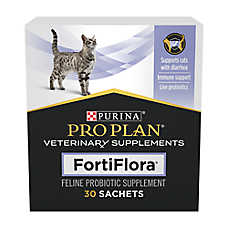
Probiotics for cats are live, beneficial microorganisms that can help to restore the balance between good and bad bacteria in the gut, when taken in the right amount. This can have a positive influence on a cat’s health. Probiotics come in several forms like powders, capsules, liquids and chews or treats that make it easy to add this beneficial ingredient to your kitty’s food.
Types of probiotics for cats
Probiotics for cats typically contain one or more types of beneficial microorganisms.
- Lactobacillus helps cats digest dairy by breaking down lactose. It also keeps the gut healthy by producing lactic acid, which stops harmful bacteria from growing.
- Bifidobacterium supports the immune system and digestive health. It prevents harmful bacteria from growing and helps produce beneficial fatty acids in the gut.
- Enterococcus balances good and bad bacteria in the gut. It's especially helpful for managing diarrhea by restoring normal gut function and reducing inflammation.
- Streptococcus reduces inflammation and improves gut health. It produces substances that stop harmful pathogens from growing, supporting a healthy digestive system.
- Saccharomyces boulardii is a yeast probiotic that helps control diarrhea and support gut health. It is resistant to antibiotics, making it useful during and after antibiotic treatment to maintain gut balance.
- Bacillus probiotics are strong, spore-forming bacteria that survive stomach acids to reach the intestines. They help with digestion by producing enzymes and crowding out harmful bacteria.
How to choose a probiotic for your cat
When choosing a probiotic for a cat, it’s best to start by consulting your veterinarian about your cat’s digestive health. Your vet may suggest specific products or recommend that you look for products with specific strains of bacteria. Products from reputable brands help to ensure that the probiotic will remain stable and potent throughout its shelf life. Your vet may also recommend probiotics with a specific CFU count. This stands for colony-forming units and indicates the number of viable bacteria in the product. Usually, probiotics with higher CFU counts are better, but it totally depends on your cat’s needs.
The potential benefits of probiotics for cats
Probiotics can have a profound beneficial impact on your cat’s health in several ways.
- Better digestive health: Probiotics can help with stomach problems like diarrhea and constipation by balancing the good and bad bacteria in your cat’s gut. This balance can also help manage inflammatory bowel disease, making digestion smoother and more comfortable for your cat.
- Improved immune support: When the gut is healthy, the immune system works better. By boosting healthy bacteria in the gut, probiotics can help keep your cat healthy and enable it to fight off infections more effectively.
- Nutrient absorption: Probiotics can make it easier for your cat’s body to absorb nutrients from their food. That means your cat may get more minerals, vitamins and other important nutrients to help them stay strong and healthy.
- Relief from allergies: Probiotics may help reduce the severity of allergies by balancing the immune system, which may make it less likely to overreact to allergens.
- Skin and coat health: Probiotics can help reduce skin issues like dermatitis and excessive shedding, promoting your cat’s healthy skin and coat.
Potential side effects
While probiotics for cats are mostly helpful, your pet may experience a few potential side effects.
- Upset stomach: Some cats have mild digestive issues such as gas or bloating when first starting probiotics.
- Allergic reactions: In rare cases, cats may be allergic to a specific strain or ingredient in the probiotic product.
- Interaction with medications: Before beginning a probiotic, always consult with your veterinarian about any potential interactions with medications your cat is taking.
FAQs
Should you give your cat probiotics?
Giving your cat probiotics can be beneficial, especially if they have digestive issues or a weakened immune system. Always check with your vet first.
What do probiotics do for cats?
Probiotics help balance the good and bad bacteria in your cat’s gut. This can improve digestion, boost the immune system and help with nutrient absorption.
Which probiotics are best for cats?
The best probiotic depends on your cat’s specific digestive issues, health needs and current medications. It’s always best to check with your veterinarian before choosing and giving your kitty a probiotic.
Can probiotics have side effects for cats?
Some cats experience mild digestive issues like gas or bloating when first taking a probiotic. Rarely, a cat may have an allergic reaction to a probiotic.
How do I add probiotics to my cat food?
Cat probiotic powders can be combined with cat food. Chews or treats can be given as a snack, and capsules or tablets may be hidden in treats or mixed in with food. Liquids can be added to foods or given directly to finicky cats and picky eaters.
Should you give a kitten probiotics?
Giving a kitten probiotics can be beneficial in certain situations, but it's important to do so under the guidance of a veterinarian. Excessive use of probiotics can lead to imbalances and potential side effects.
Is there probiotic cat food?
Yes, there are cat foods that include probiotics. These foods are formulated to support digestive health and overall well-being by incorporating beneficial bacteria.
What are probiotics vs. digestive enzymes for cats?
Digestive enzymes and probiotics are both beneficial for cats' digestive health, but they serve different functions and have different effects on the digestive system. Digestive enzymes are nutrients that help break down food into smaller, absorbable components. They aid in digestion, relieve digestive issues and support pancreas health. Probiotics are beneficial live bacteria and yeasts that promote a healthy gut microbiome. They can improve digestion, support the immune system and help maintain a balance in gut flora.
Information in this article is not intended to diagnose, treat or cure your pet and is not a substitute for veterinary care provided by a licensed veterinarian. For any medical or health-related advice concerning the care and treatment of your pet, contact your veterinarian.