
Cat Weight Management: Preventing Obesity with Diet and Puzzle Feeders
In this Article
Maintaining a healthy weight is one of the most important aspects of cat health and wellness. Obesity in cats can lead to serious health problems, but with the right strategies, you can help your feline friend stay fit and active.
How to Access Your Cat’s Weight
You can do a quick at-home check.
- Feel along your cat’s ribs. You should feel ribs without pressing hard.
- Look for a slight waist behind the ribs.
- Check fat pads. Extra padding under the belly or hind legs can signal extra weight.
Dietary Changes for Weight Management
Lower-calorie cat food can help your cat lose weight while meeting nutritional needs. Look for foods specifically designed for weight control and always consult with your veterinarian before making changes.
- Follow the feeding guide, then adjust with your vet’s input.
- Measure every meal to avoid accidental overfeeding.
- Limit treats so daily calories stay on track.
Consider browsing weight management cat food to compare options.
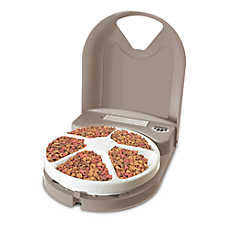
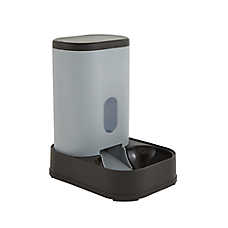
Do Puzzle Feeders Help Cat Weight
Yes. Puzzle feeders slow eating and can reduce overeating. They also add mental enrichment, so mealtime feels rewarding.
- Start with an easy puzzle to build confidence.
- Split daily portions across several small puzzles.
- Rotate puzzles to keep your cat engaged.
Explore puzzle feeders for cats to find different styles.
Health Risks of Obesity in Cats
Obesity in cats can lead to several health issues, including:
- Diabetes
- Joint and mobility problems
- Heart disease
- Shortened lifespan
By keeping your cat at a healthy weight, you reduce the risk of these conditions and support their long-term well-being.
Veterinary Services and Ongoing Support
Regular check-ups with veterinary services are essential for monitoring your cat’s weight and health. Vets can provide tailored dietary advice, suggest effective weight management plans, and ensure your cat remains in good health.
Frequently Asked Questions (FAQs)
How can I tell if my cat is overweight?
You can check by feeling your cat’s ribs and assessing fat pads. If the ribs are difficult to feel and fat pads are excessive, your cat may be overweight.
What should I feed my overweight cat?
Lower-calorie cat food formulated for weight management is recommended. Always check with your veterinarian before making changes to your cat’s diet.
How can puzzle feeders help my cat?
Puzzle feeders slow down eating, provide mental stimulation, and help your cat feel satisfied while consuming fewer calories.
Why is managing my cat’s weight so important?
Weight management prevents obesity-related conditions such as diabetes and heart disease, improving your cat’s quality of life and longevity.
How often should I visit the vet for weight checks?
It’s recommended to schedule veterinary visits every 6 to 12 months to monitor weight and adjust care plans as needed.
Information in this article is not intended to diagnose, treat or cure your pet and is not a substitute for veterinary care provided by a licensed veterinarian. For any medical or health-related advice concerning the care and treatment of your pet, contact your veterinarian.