The Guide to Guinea Pig Care: Lifespan, Diet & Health Tips
In this Article
Guinea pigs are gentle, social pets that can make wonderful companions for individuals and families alike. However, they have unique care requirements that differ significantly from dogs and cats. Because guinea pigs are prey animals with sensitive digestive and respiratory systems, proper care is essential to maintaining their health and wellbeing.
Understanding their lifespan, social needs, diet, housing, grooming, and veterinary care can help pet parents provide an environment where guinea pigs thrive, not just survive.
Introduction to guinea pig care
Guinea pigs require consistent daily care, specialized nutrition, and a stable environment to stay healthy. Veterinary research shows that small mammals are particularly vulnerable to stress, nutritional deficiencies, and environmental hazards. Unlike some other small pets, guinea pigs cannot adapt easily to poor diets or unsuitable living conditions.
Preparing for guinea pig ownership involves more than purchasing supplies—it requires understanding their biological and behavioral needs to support long-term health.
Guinea pig lifespan and commitment
Guinea pigs are long-lived compared to many other small pets. Their lifespan reflects the level of care they receive, including diet quality, housing, and veterinary support. Because they form strong bonds with their caregivers and cage mates, adopting a guinea pig is a long-term emotional and practical commitment.
How long do guinea pigs live?
Most guinea pigs live between five and seven years, though some may live longer with optimal care. Factors such as genetics, diet, and preventive healthcare play a significant role in longevity.
Key influences on guinea pig lifespan include:
- Balanced nutrition with adequate vitamin C
- Clean, well-ventilated housing
- Regular health monitoring and veterinary care
Importance of long-term commitment
Owning a guinea pig requires ongoing attention, financial investment, and daily interaction. Unlike low-maintenance pets, guinea pigs depend on their caregivers for companionship, grooming, and health monitoring.
Before adopting, consider:
- Time required for daily feeding and cleaning
- Access to exotic animal veterinary care
- Long-term housing and enrichment needs
Guinea pig companionship and social needs
Guinea pigs are highly social animals that naturally live in groups in the wild. Veterinary behavior research emphasizes that isolation can lead to stress, depression, and behavioral problems in guinea pigs. Providing companionship is one of the most important aspects of guinea pig welfare.
Why guinea pigs should not be alone
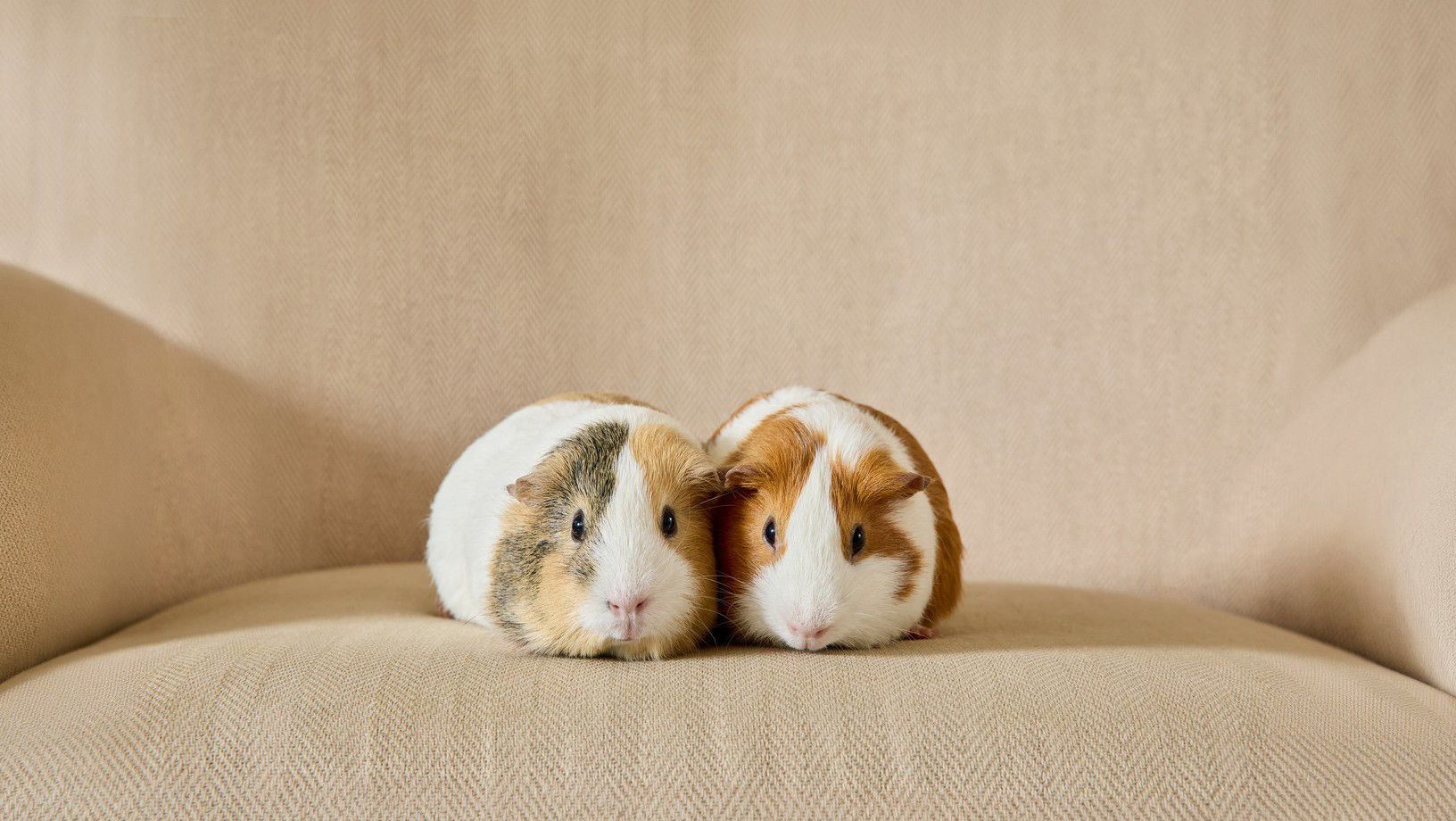
A single guinea pig may become lonely and stressed without social interaction. Keeping at least two guinea pigs together is widely recommended to support emotional and behavioral health.
Benefits of companionship include:
- Reduced stress and anxiety
- Increased activity and engagement
- Healthier eating and grooming behaviors
However, if keeping more than one guinea pig is not possible, a solitary guinea pig will typically require extra enrichment, daily interaction, and more social time with their human caregivers to help support emotional wellbeing. Providing toys, supervised exploration time, and regular gentle handling can help reduce boredom and loneliness.
Managing multiple guinea pigs
When housing multiple guinea pigs, compatibility and space are critical. You will need a spacious small pet cage to accommodate them comfortably. Introducing guinea pigs gradually helps reduce conflict and ensures a stable social structure.
Important considerations include:
- Adequate cage size and multiple hiding areas
- Monitoring interactions for aggression
- Avoiding overcrowding
- Avoiding housing males and females together unless they have been neutered or spayed, respectively, or you are prepared for the possibility of baby guinea pigs
Handling and safety considerations
Guinea pigs are delicate animals with fragile skeletal structures, making proper handling especially important. Veterinary guidance highlights that improper handling can result in serious injury to guinea pigs, particularly when they are accidentally dropped, squeezed too tightly, or handled incorrectly by young children. Because guinea pigs are prey animals, sudden movements or loud noises can also trigger fear and stress responses.
Handling guinea pigs with care
Guinea pigs have delicate skeletal structures and relatively small, lightweight bodies, which makes them especially vulnerable to injury if handled incorrectly. They are also prey animals, meaning they may instinctively struggle or freeze when they feel insecure or frightened. Learning proper handling techniques not only protects your guinea pig’s physical health but also helps build trust and reduce anxiety over time.
Safe handling practices include:
- Supporting the chest and hindquarters at all times
- Avoiding squeezing or sudden movements
- Keeping guinea pigs close to your body when lifting
Preventing accidents and injuries
Because guinea pigs are small, agile, and easily startled, accidents can happen quickly if their environment is not properly controlled. Falls and environmental hazards are among the most common causes of injury in guinea pigs, particularly in homes with children or other pets. Creating a safe, supervised environment is essential to reducing the risk of trauma and ensuring your guinea pig can explore and interact safely.
Preventive measures include:
- Supervising children during interactions
- Using secure enclosures and play areas
- Avoiding high surfaces or unstable platforms
- Do not allow other pets (like dogs and cats) to interact with the guinea pig, especially if unsupervised
Guinea pig grooming and nail care
Guinea pigs require regular grooming to maintain healthy skin, fur, and nails. Veterinary care guidelines emphasize that nail overgrowth can lead to pain, infection, and mobility issues. Grooming also provides an opportunity to monitor health changes.
Importance of nail trimming
Guinea pig nails grow continuously and must be trimmed regularly. Overgrown nails can also become caught on bedding or cage materials, leading to injuries. Regular nail trimming is therefore an important preventive health practice that supports mobility and overall comfort.
Potential consequences of neglected nail care include:
- Pain and difficulty walking
- Skin infections
- Abnormal posture or movement
How to trim guinea pig nails
If you are unfamiliar with nail trimming, professional assistance is recommended. Exotic veterinarians or trained groomers can safely trim nails and teach proper techniques.
Helpful tips include:
- Using small animal nail clippers
- Trimming small amounts at a time
- Avoiding the quick (blood vessel inside the nail)
Guinea pig bedding and housing
Guinea pigs have sensitive respiratory systems, making housing conditions especially important. Veterinary research shows that poor ventilation and dusty bedding can contribute to respiratory disease, one of the most common health issues in guinea pigs.
Choosing the right bedding
Because guinea pigs spend much of their time in direct contact with bedding, selecting safe materials is essential for long-term health. Clean, low-dust guinea pig bedding helps reduce exposure to harmful particles and pathogens.
Recommended bedding options include:
- Dust-free paper-based bedding
- Fleece liners with absorbent layers
- Aspen shavings (not pine or cedar)
Preventing respiratory infections
Respiratory infections can develop quickly in guinea pigs and may become life-threatening without treatment. Because guinea pigs often hide signs of illness, infections may progress rapidly without obvious symptoms. Maintaining optimal housing conditions is one of the most effective ways to reduce respiratory health risks.
Preventive strategies include:
- Regular guinea pig cage cleaning
- Proper ventilation
- Avoiding drafts and extreme temperatures
Guinea pig nutrition and diet
Guinea pigs have unique dietary requirements that differ from other rodents. Veterinary nutrition research emphasizes that guinea pigs cannot synthesize vitamin C, making dietary supplementation essential. Poor nutrition is a leading cause of illness in guinea pigs.
The importance of vitamin C
Vitamin C deficiency can lead to scurvy in guinea pigs, a serious condition affecting joints, teeth, and immune function. Guinea pigs need at least 25mg of vitamin C daily. Sources of vitamin C include:
- Fresh vegetables such as bell peppers and leafy greens
- Vitamin C–fortified pellets
- Supplements when recommended by a veterinarian
Recommended foods for guinea pigs
A balanced guinea pig diet consists primarily of hay, supplemented with fresh produce and pellets. Core dietary components include:
- Unlimited timothy hay for digestion and dental health
- Fresh vegetables for vitamins and hydration
- High-quality guinea pig pellets
Avoiding poor quality hay
Not all hay is suitable for guinea pigs. Poor-quality hay may lack nutrients or contain harmful contaminants. Avoid:
- Moldy or dusty hay
- Backyard hay with unknown composition
- Low-fiber alternatives
Enrichment and exercise
Mental stimulation and physical activity are essential for guinea pig wellbeing. Veterinary behavioral research shows that enrichment reduces stress and prevents obesity and boredom-related behaviors.
Providing Toys and Entertainment
Enrichment helps guinea pigs express natural behaviors such as chewing and exploring, and providing varied stimulation supports emotional health and encourages healthy activity patterns.
Examples of enrichment include:
- Chew-safe toys
- Rotating accessories
Encouraging physical activity
Regular movement plays a key role in maintaining healthy digestion, muscle tone, and cardiovascular function in guinea pigs. Veterinary guidance emphasizes that sedentary lifestyles can contribute to obesity and gastrointestinal issues in small mammals. Providing opportunities for safe movement supports both physical and mental health.
Ways to promote activity include:
- Spacious cages
- Supervised floor time
- Interactive environments
Frequently Asked Questions (FAQs)
Are guinea pigs good pets for beginners?
Yes, guinea pigs can be excellent pets for beginners, but they require consistent care, proper nutrition, and social interaction. Prospective owners should be prepared for their long lifespan and daily care needs.
Can guinea pigs live alone?
Guinea pigs are social animals and generally thrive in pairs or groups. Living alone can lead to stress and behavioral problems unless the guinea pig receives frequent human interaction.
What is the most common health problem in guinea pigs?
Common health issues include respiratory infections, dental disease, vitamin C deficiency, and gastrointestinal problems. Regular monitoring and proper care help reduce these risks.
How often should guinea pig nails be trimmed?
Guinea pig nails typically need trimming every 3–6 weeks, depending on growth rate and activity level. Regular trimming prevents pain and mobility issues.
What should I feed my guinea pig daily?
Daily diets should include unlimited timothy hay, fresh vegetables rich in vitamin C, and a small amount of fortified pellets. Fresh water should always be available.
How can I tell if my guinea pig is sick?
Signs of illness include reduced appetite, weight loss, lethargy, abnormal breathing, and changes in behavior. Guinea pigs often hide symptoms, so early veterinary evaluation is important.
Information in this article is not intended to diagnose, treat or cure your pet and is not a substitute for veterinary care provided by a licensed veterinarian. For any medical or health-related advice concerning the care and treatment of your pet, contact your veterinarian.