Dental Health for Small Mammal Pets: Rabbits and Rodents
In this Article
Dental and oral health isn't just for dogs and cats. Your small pet's mouth plays a vital role in their overall well-being, from eating and grooming to staying comfortable and healthy. Whether you have a pet rabbit or rodent, understanding their unique dental needs can help you provide the best care possible.
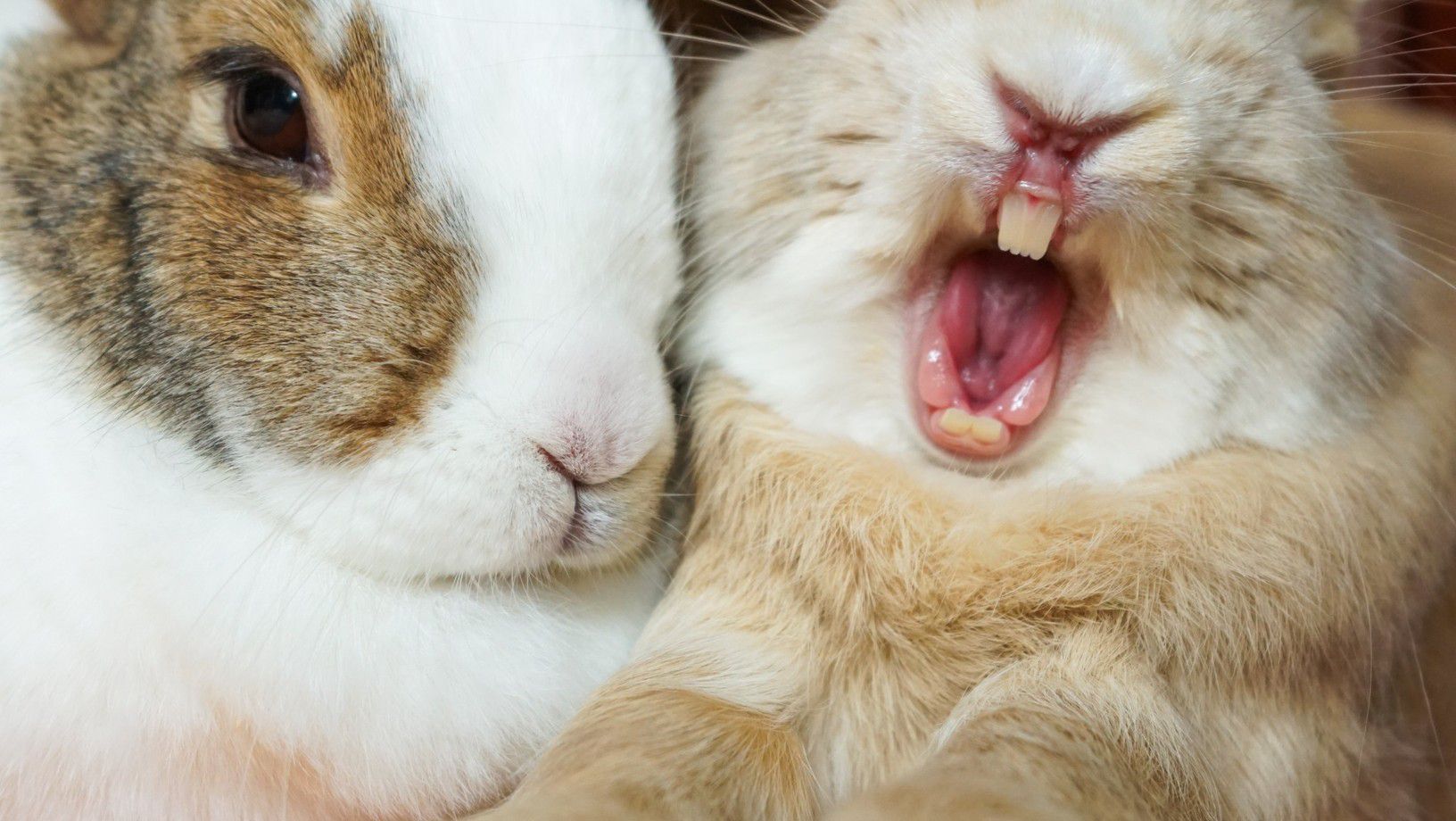
Rabbits and rodents have different oral structures and care requirements than traditional companion animals. They have teeth that never stop growing: all of their teeth for the strict herbivores (rabbits, guinea pigs, chinchillas) and the front teeth only for the omnivorous rodents (hamsters, gerbils, rats, mice).
This guide can help you understand healthy teeth for your small mammal pet, recognize warning signs, and know when to seek veterinary care.
Understanding different oral structures
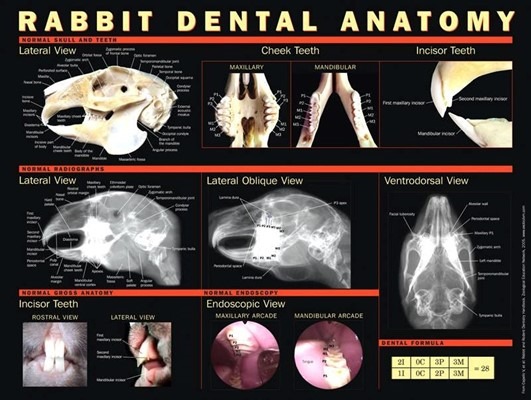
The dental anatomy of small mammals vary by species, and understanding normal is the first step in providing proper care and looking for potential problems. The most important feature is that some or all of their teeth grow continuously throughout life. These are called openrooted teeth (elodont teeth), meaning the tooth never forms a true root and keeps lengthening through their entire life.
For the teeth to stay at the appropriate length, proper diet and chewing behavior are essential to ensure that there is an equal amount of growth and wearing down. If these occur at the same rate and the teeth are meeting up properly, the tooth level will stay consistent. This differs from our teeth and the teeth of dogs and cats that are closed-rooted (anelodont) and do not keep growing.
- Rabbits (herbivore, lagomorph): Rabbits are strict herbivores, and all of their teeth—incisors and cheek teeth (premolars and molars) —are open‑rooted and continuously grow. They rely on a high‑fiber diet, especially hay, to grind down these teeth naturally. Without enough abrasive food, sharp points/spurs and/or elongation of the tooth into the mouth or skull can develop, leading to pain and difficulty eating.
- Guinea Pigs and Chinchillas (herbivore, rodent): Like rabbits, guinea pigs and chinchillas are herbivores with all open‑rooted teeth. Their incisors and cheek teeth grow continuously and require constant wear from long‑stem hay. Based on the natural angle of their lower cheek teeth, guinea pigs are particularly prone to tongue entrapment, where the teeth form a bridge over the tongue when they get too long, which prevents the tongue form being able to move for eating and drinking.
- Hamsters, Gerbils, Rats, and Mice (omnivore, rodent): These rodents are generally omnivores, and their teeth reflect that. They have continuously growing front teeth (incisors), which is why they must chew regularly. Their back teeth are closed‑rooted like ours, meaning they do not grow continuously like their incisors. Because of this, overgrowth will only involve the front teeth, but they can have different problems (like infection) involving the back teeth.
Why dental and oral health matters
Dental problems can affect your pet's entire body. When your pet can't eat properly, they may feel pain and develop health issues including weight loss, digestive problems, and weakened immunity leading to secondary illnesses.
Overgrown teeth make eating impossible by physically hindering their ability to chew or causing significant pain if tooth fragments cut into the inside of the cheeks, gums or tongue. Infections/abscesses can also occur in the mouth or surrounding bone.
Common dental concerns:
- Malocclusion: When teeth don't align properly, they can't wear down through normal chewing. This leads to overgrowth and sharp points, which result in difficulty eating.
- Overgrown incisors: Front teeth that grow too long can occur from lack of appropriate chewing and/or a malocclusion. This can lead to painful injuries in the mouth and prevent your pet from closing their mouth properly, resulting in decreased food intake. Trauma to the inside of the mouth from the elongated teeth can also result in facial swelling secondary to inflammation and infection.
- Sharp cheek teeth (spurs): Back teeth can develop sharp edges that cut into the tongue and cheeks, causing pain and ulcers.
- Upper and lower jawbone infections: Infection can affect the base of the teeth as well as the surrounding bone in the upper and lower jaw. This can lead to abscesses, resulting in facial swelling and possible discharge if they rupture.
What causes dental problems:
- Inappropriate diet/wear on the teeth (most common)
- Vitamin deficiencies - especially vitamin C in guinea pigs
- Genetic and congenital factors
- Facial trauma or injury
Warning signs of dental or oral health concerns
Our small pet species often hide signs of illness as a survival instinct. Watch for these changes that may indicate oral health problems.
If you notice any of these signs, contact your veterinarian:
Eating and drinking changes
- Decreased appetite or refusing food entirely
- Decreased defecation and smaller or irregularly sized fecal pellets
- Dropping food while eating
- Changes to food preference, such as only eating softer vs harder food
- Tilting head while eating or chewing on one side
- Weight loss
Physical signs
- Excessive drooling or wetness around the mouth or chin
- Visible discharge or bleeding from the mouth or jaw
- Swelling or lumps around the jaw, face, or eyes
- Bad breath or foul odor around the face
- Visibly overgrown teeth (generally only the incisors can be seen at home)
Behavioral changes
- Decreased activity or lethargy
- More time hiding
- Pawing at the mouth or face
- Changes in grooming habits or poor coat condition
Preventive care you can support at home
Diet
- The strict herbivores - rabbits, guinea pigs and chinchillas: Provide unlimited access to high-quality long-stem hay. Hay should make up the majority of their diet. Fibrous foods help naturally wear down continuously growing teeth and are important for overall gut health.
- The omnivores - hamsters, gerbils, rats, and mice: Pellets and blocks that are firm in texture and moderate to large in size promote chewing. Fresh crunchy vegetables can be offered in small amounts as a treat, such as broccoli, bell pepper, squash, and zucchini.
Enrichment and Environmental Support
Provide safe chew toys like untreated wood blocks, cardboard, or commercial chew toys. Avoid very hard objects that could damage teeth. This is especially true for metal - ensure that they do not chew on metal bars or objects as the force can shift the position of the teeth and results in a permanent malocclusion.
In general, it is important to be very careful when handling rabbits and rodents, especially as they are getting to know you. They can be very skittish and make sudden movements, leading to falls. This can result in various serious injuries, but trauma to the face specifically can lead to life-long dental problems. Always remember to take things slowly with small pets: do things on their terms and stay low to the ground so they can get away without the risk of injury.
Regular Monitoring
Check your pet's eating habits. Notice if they're selecting certain foods or avoiding harder items. You can monitor their weight weekly on a baby scale or food scale to catch changes early and keep a log to watch for trends.
Keep track of any changes in behavior, grooming, or activity level. These subtle shifts can be early warning signs of dental discomfort.
Gently examine your pet's mouth when handling them. Feel for wetness that can indicate drooling. You can look for visible overgrowth or malalignment of the front teeth, swelling, or discharge; but a full oral exam will need to be done by a veterinarian if there are any concerns.
When to seek professional veterinary care
Look for a veterinarian with experience in exotic pet medicine or with your pet’s species specifically. Rabbits and rodents require veterinary care from professionals experienced with their unique needs, as many dental problems require specialized equipment and training to diagnose and treat safely. It best to have a vet that has met your pet already during a wellness exam before there are any concerns or potential problems!
If you need help finding a vet for your pet rabbit or rodent, some professional organizations such as The Association of Exotic Mammal Veterinarians (AEMV) and The American Board of Veterinary Practitioners (ABPV) have veterinarian locators on their website that can be used as a jumping off point.
Seek veterinary care immediately if your pet shows:
- Refusal to eat
- Lack of fecal material
- Visible facial swelling
- Discharge or bleeding
- Excessive drooling
- Lethargy, hiding
- Known trauma/injury
- Any signs of pain or distress
Routine care:
- Annual wellness exams including evaluation of their mouth and teeth
- More frequent checkups for pets with ongoing dental issues based on veterinary recommendations. This may include the veterinarian trimming the teeth if there are problems, which should never be attempt on your own at home.
Important Safety Note: This article provides educational information only and is not a substitute for professional veterinary care. Never attempt to trim teeth or treat oral infections at home. Small pets and specialty species require specific veterinary care for proper diagnosis and treatment of dental problems. Always consult a veterinarian experienced with your pet’s species for health concerns.
Frequently Asked Questions
How often do small mammals need dental checkups?
Small mammals should have annual wellness exams that include oral health evaluation. Rabbits and rodents with dental issues may need checkups every 4-8 weeks for teeth trimming or monitoring based on the findings of the veterinarian. Remember that tooth trims should never be attempt on your own at home.
Can I trim my rabbit's or rodent's teeth at home?
No, never trim your pet's teeth at home. Improper trimming can cause painful fractures, jaw damage, or infection. Veterinarians use specialized tools and techniques to safely trim overgrown teeth.
Why won't my guinea pig eat hay?
Some pets need time to adjust to new foods. Try different types of grass hay (timothy hay, orchard grass, meadow grass, oat hay) to find preferences and consider mixing different types together for variety. If your pet consistently refuses hay, they drool or have a wet chin while eating, or there is a shift away from eating hay when they used to enjoy it, consult your veterinarian to rule out dental disease, as well as other underlying health problems.
Can dental problems be prevented entirely?
Many problems can be avoided through proper diet, habitat management, and preventing injury; however, some pets are predisposed to dental issues, so it is not completely preventable. Early detection and intervention with regular veterinary care can prevent minor issues from becoming serious health problems.
What's the difference between malocclusion and overgrown teeth?
Malocclusion refers to improper alignment of the teeth, which prevents normal wear and is one cause of overgrowth. Overgrown teeth can be the result of malocclusion or other factors such as inappropriate diet. Both conditions require veterinary treatment to restore proper tooth length and address underlying causes.
Information in this article is not intended to diagnose, treat or cure your pet and is not a substitute for veterinary care provided by a licensed veterinarian. For any medical or health-related advice concerning the care and treatment of your pet, contact your veterinarian.