
Millipede Care Guide: Housing, Feeding and Handling Tips
In this Article
Millipedes: Many Legs & Lots of Fun
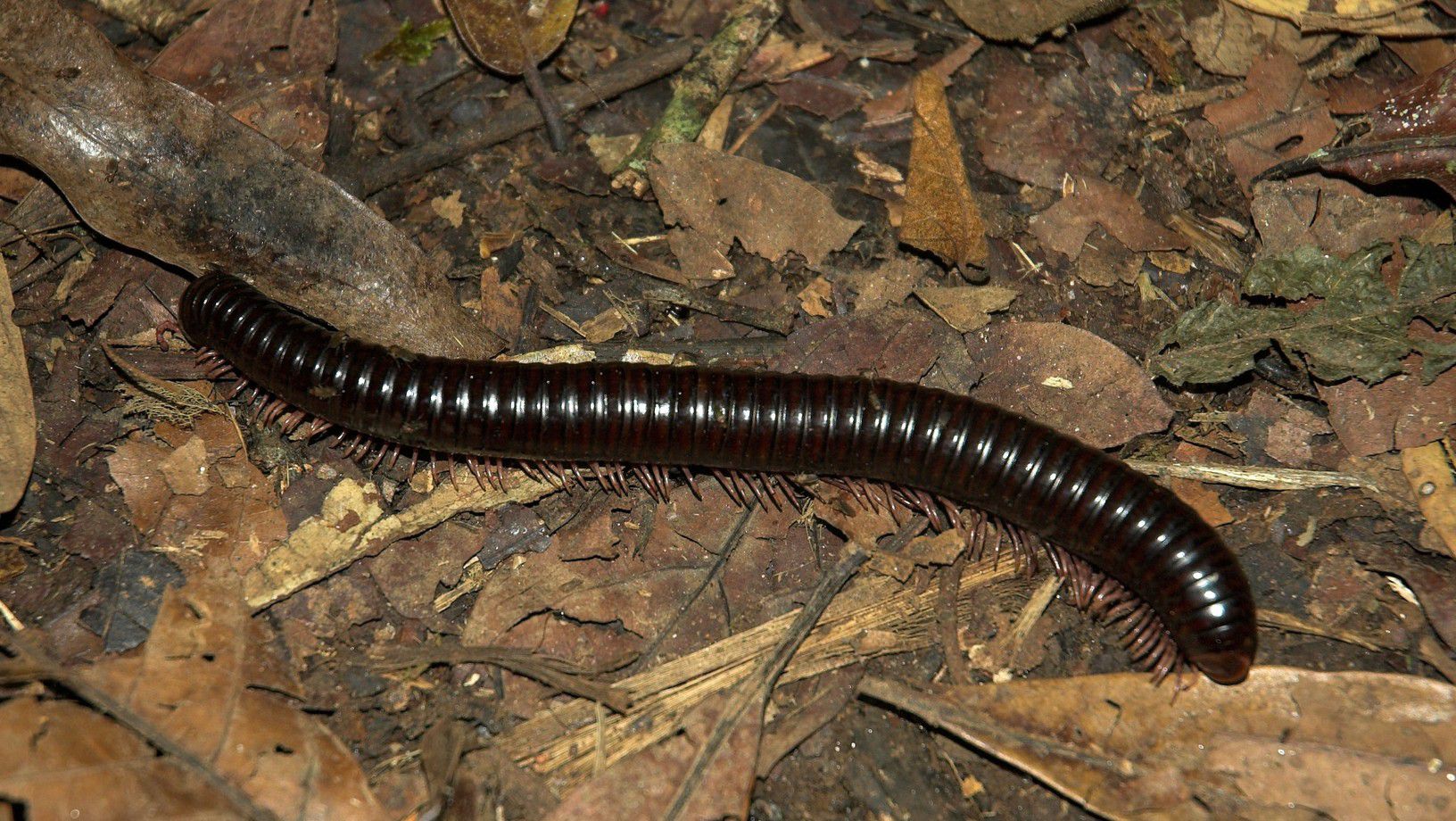
Millipedes are some of the oldest animals to live on land. Despite their name, millipedes do not actually have a thousand legs, but they are famous for having lots of them, often dozens or even into the hundreds. Most body segments have four legs, giving millipedes their slow, wave-like crawl. These many-legged arthropods break down fallen leaves, rotting wood, and other decaying material, much like earthworms. As they feed, they also take in nutrients from the soil around them.
Unlike centipedes, millipedes are not venomous. They can secrete a noxious chemical when frightened, but even giant millipedes are gentle arthropods that tolerate careful handling.
Handling Notes: When handling, be sure to keep your millipede only a few inches above a solid surface like a table with a protective layer like a folded towel. Falling from more than four inches can harm your pet millipede. Avoid contact between your millipede and other pets, such as dogs and cats who may accidentally harm your millipede.
Some people and pets may be sensitive to the secretions and may experience eye or skin irritation. These secretions may also stain skin or clothing. Wash your hands before and after handling to keep both you and your millipede safe.
General millipede pet profile
Experience level: Beginner
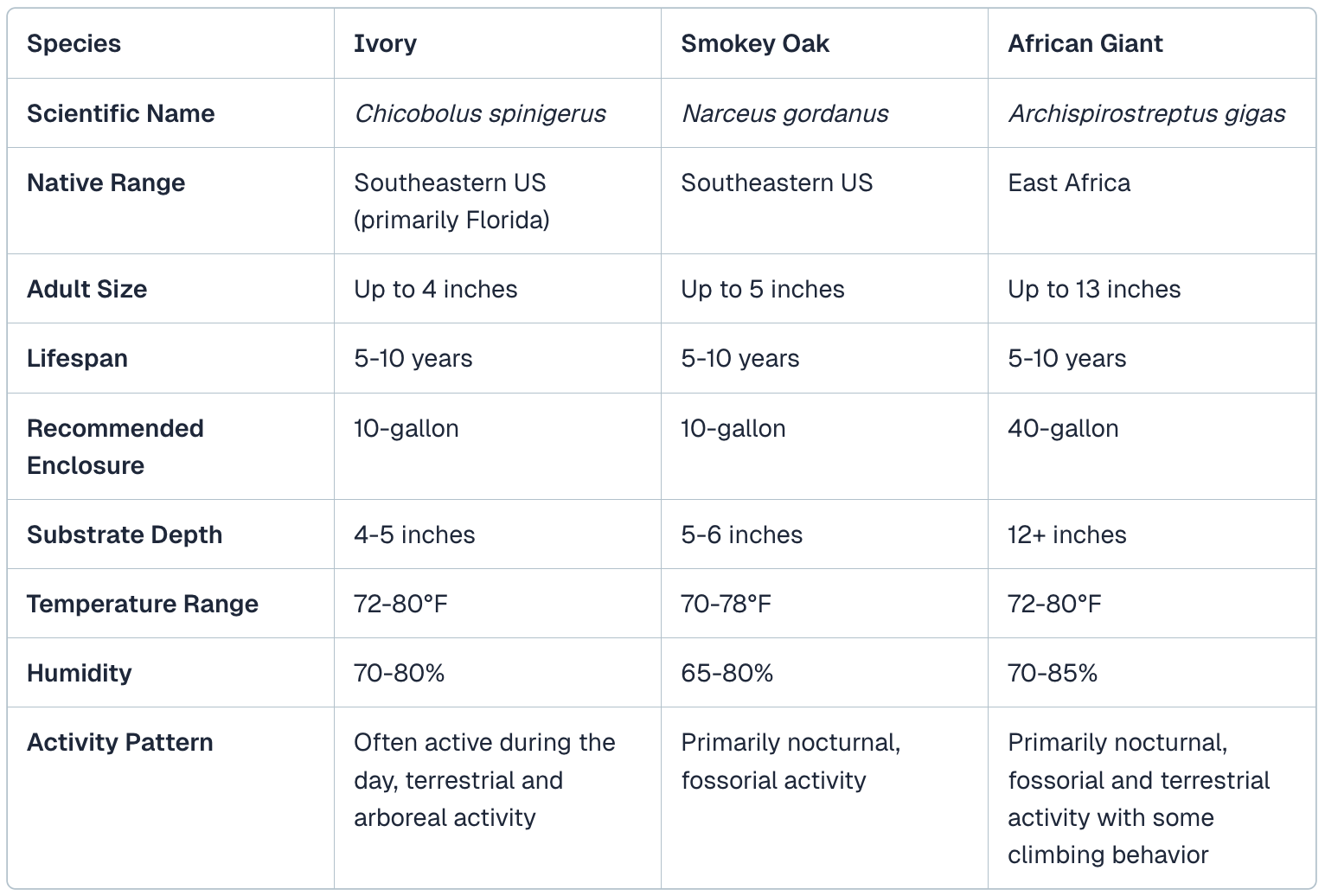
Sizes for Selected Species: Ivory: up to 4”, Smokey Oak: up to 5”, Giant African: up to 13”
Lifespan: Up to 10 years
Habitat: Usually found in tropical or temperate forests based on species
Behavior: Communal
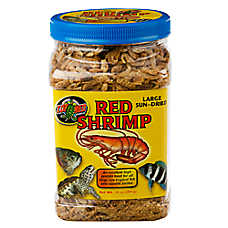
Millipedes consume the soil, leaves, and wood in their environment as a primary food source, but enjoy occasional treats such as invertebrate gel (jelly pods), fresh fruits and vegetables, and protein sources such as bee pollen, an enriched millipede diet, or freeze-dried shrimp.
Their primary defense mechanism is to curl into a tight ball. Some will release a noxious liquid to discourage predators in times of stress. They’re also skilled burrowers, digging into the soil for safety, molting and reproduction.
It is recommended to avoid mixing millipedes species; however, millipedes are often communal in nature. Millipedes can be happily housed individually, in pairs, or in groups with an appropriately sized habitat. Some species are nocturnal and are rarely seen above ground during the day, while others are often active during the day.
Millipedes will spend much of their time burrowing in the substrate. Some are more likely to spend time on the surface (terrestrial), while others spend more time in the branches (arboreal) or underground (fossorial). Regardless of when or where they’re active, they spend a large amount of time foraging for decaying leaves or wood and consuming their substrate.
How to set up your millipede habitat
Choosing the right enclosure
All habitats start with a good enclosure. Choose one that is easy to open and maintain, has moderate ventilation, and will allow you to place a deep substrate layer.
For smaller species like Ivory and Smokey Oak, a 10-gallon terrarium is the minimum size; however, they will enjoy a 20-gallon terrarium if you have the space. For African Giant Millipedes, a 40-gallon terrarium is the recommended size for an adult, although juveniles can be kept in a smaller enclosure (such as a 20-gallon long) until they are nearing adult size. Larger terrarium sizes are needed as you increase the number of millipedes.
Substrate: the foundation of your millipede's habitat
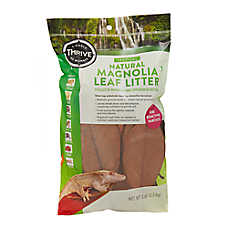
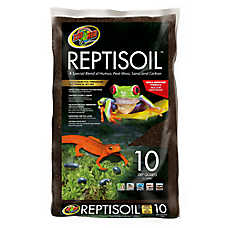
In most habitats, substrate is the soil or gravel at the bottom. Millipedes eat their substrate as their primary diet. To get enough to eat and to exhibit natural burrowing behaviors, they need a habitat with a deep soil substrate mixed with dried leaves. When setting up, select pesticide-free dried leaves such as magnolia, oak, guava, or similar and a high-quality soil mix that contains a lot of organic material, or a specialized soil called "flake soil" made of fermented wood. Place a layer of soil followed by a layer of dry leaves and repeat three to four times with the final layer of leaves on top. This gives your millipede food to graze on no matter where it is in the enclosure. While a minimum depth of 4 inches is recommended, a good general rule is to have substrate as deep as your millipede is long.
What to avoid in your substrate:
- Commercial garden or potting soil mixes, which may contain pesticides or fertilizers that can harm your millipede
- Coco coir, as it lacks nutritional value
- Sand, perlite, vermiculite, and other additives to improve drainage, as these can cause a fatal intestinal blockage
- False-bottom drainage layers with clay balls and mesh screens, as millipedes can become entrapped
- Compost, which may come with environmental contaminants such as plastic, worm eggs, fungus gnats, or other potentially harmful things, must be sifted and either properly frozen or heat treated prior to use to avoid contamination.
Décor and plants
Once your substrate layers are in place, add your decorations. Moss is a great choice for millipedes since it holds water. Pieces of wood and reptile-safe décor items allow millipedes a chance to explore and climb — some options include cholla and cork. Avoid woods that have natural pesticides, such as pine and fir. Plants are a fun addition to your habitat and millipedes usually ignore mature plants but may nibble young, tender shoots.
Heating & lighting for millipedes
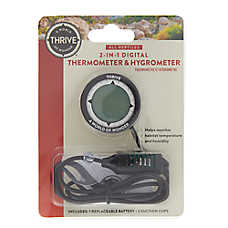
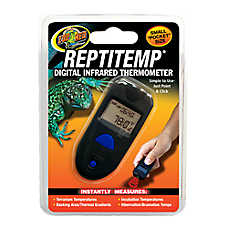
Most millipedes thrive in a temperature range of 70-80°F and a humidity of 70-80%. Soil moisture is more important than surface humidity, so focus on keeping the substrate moist, not wet. Always research the specific species you plan to keep, as even closely related species may require different temperature or humidity levels, hiding structures, or substrate depths. Refer to the species comparison table above for species-specific ranges.
Heating your millipede's habitat
If your room temperature falls below the recommended range, use a heat source connected to a thermostat to maintain consistent temperatures in the habitat. Each heat source type has different considerations:

Lighting and day/night cycle
Typically, captive animals benefit from a consistent light cycle. Aim for 10-12 hours of light followed by 12-14 hours of darkness. Use a timer to keep a predictable routine that helps maintain your millipede's circadian rhythm. While there is no data on whether millipedes need UVB, a full spectrum light is recommended. Ensure the light is not excessively bright or intense.
What to feed your millipede
Millipedes are detritivores, meaning they consume decomposing organic matter such as dead plants and animals, rotting wood, and fallen leaves. Decomposing organic matter should make up the majority of their diet. Millipedes should have food available at all times, mostly in the form of high-quality soil, decaying leaves and wood. Invertebrates are sensitive to pesticides, so take care to wash your produce prior to offering it, or source your treats carefully.
Millipede feeding schedule

*Remove uneaten food items daily or immediately if mold is present.
Calcium supplementation
Millipedes require access to a calcium source as a regular part of their diet. They will obtain calcium through a complete millipede diet, through freeze-dried shrimp or minnows, consistent supplementation with reptile calcium (without vitamin D3), or access to pieces of cuttlebone. Regardless of the source, ensure they always have access to calcium.
Water and hydration for millipedes
Millipedes don't require a dedicated water bowl if you're misting the habitat regularly. In a misted enclosure, moss can hold a small amount of drinking water. However, a shallow bowl with pebbles helps support humidity and ensures your millipede stays hydrated while keeping them safe.
Molting
Molting is a vulnerable and critical phase in an arthropod’s life. To grow, they must shed their exoskeleton. Juveniles may molt several times per year, while adults molt less frequently or not at all.
Signs that your millipede is getting ready to molt:
- Refusal to eat for several days or weeks
- Decreased movement or visible lethargy
- Increased time spent underground
- Dull or darkening coloration
During this time, it is essential to leave your animal completely undisturbed. Do not attempt to handle, feed, or disrupt the substrate. Disrupting a molt can result in fatal injuries. Always be cautious moving the substrate, as millipedes usually dig down into the substrate to molt. This process takes days to weeks, so patience is important.
Do not try to assist with a molt. Even if the old exoskeleton appears stuck, attempting to pull or peel it can severely damage your animal.
Maintain optimal humidity throughout the molt period. It is not uncommon for a molt to take several days to weeks depending on the size and health of your millipede.
Mites
Many millipedes also have low numbers of beneficial mites present on them. These mites are usually harmless to the millipede, the habitat, and people. In low to moderate numbers, these mites serve a vital function by cleaning the parts of the exoskeleton your millipede cannot reach, but in high numbers, mites may disturb or weaken your millipede. Some signs that there are too many mites include your millipede cleaning very frequently, thrashing or bucking when above ground, very visible groups of mites near the head or around the legs.
Can I keep other pets with my millipedes?
While many bioactive terrariums utilize springtails and isopods to keep the habitat clean, it is not recommended to use isopods with millipedes as they consume the same resources. In the case of some of the more productive isopod species, the isopods will rapidly outcompete the millipedes. Springtails, however, can be housed with millipedes and help reduce mold in these moist, organic material rich habitats.
Some pet parents may use smaller, rapidly producing millipedes as a clean-up crew or as food for larger reptiles. However, if you want to ensure the safety of your millipede, do not house it with anything that may prey upon it, including reptiles, amphibians, or arachnids. For the safety of your millipede, we recommend keeping one species of millipede per habitat and not adding other animals.
Frequently Asked Questions (FAQs)
My millipede released a brown or yellowish liquid while I was handling it.
This is a defensive secretion millipedes produce when stressed or startled. It's generally harmless but can stain skin and irritate eyes. Wash your hands thoroughly after any contact, keep the secretion away from your face, and return your millipede to its enclosure to let it calm down. If your millipede is consistently releasing this defensive secretion during handling, consider handling your millipede less frequently.
I see tiny bugs on my millipede.
Millipedes have a beneficial (commensal) relationship with soil mites that are not harmful. A small number of mites is normal, and they help clean parts of the exoskeleton your millipede can't reach. However, if you see large numbers of mites, especially clustered around the head or leg joints, the population may have gotten out of balance. Your millipede may be showing signs of irritation by thrashing around the enclosure or trying to clean itself more frequently. An overgrowth of mites can happen when substrate is too wet or when uneaten food accumulates. Deep clean the enclosure and completely replace the substrate. Predatory mites or beneficial nematodes (available from specialty garden suppliers) can be introduced to control overpopulation if needed.
There's mold growing in the enclosure.
Some mold is common in humid enclosures and usually harmless, especially white fuzzy mold on decaying wood. However, extensive mold growth can indicate the habitat is too wet or that food is being left too long. Remove any moldy food immediately, spot-clean affected areas, and introduce springtails if you haven't already — they're excellent at keeping mold in check.
My substrate is drying out too quickly.
Check your ventilation — too much airflow can dry out the enclosure rapidly. You may need to partially cover the lid or mist more frequently. Ceramic heat emitters and heat bulbs in particular can dry substrate quickly, so increase moisture when these are in use. Adding moss or additional leaves on top of the substrate can help retain humidity.
My millipede's exoskeleton looks stuck, or the molt seems to have failed.
Do not attempt to assist with a molt. Even if the old exoskeleton appears stuck, pulling at it can cause fatal injuries. Ensure humidity is at the correct level for your species and leave the animal completely undisturbed. Unfortunately, failed molts do sometimes occur and can be fatal despite best efforts — this is often due to dehydration, poor nutrition leading up to the molt, or underlying health issues.
My millipede is curled into a tight ball and won't uncurl.
Curling is a defensive posture. Return your millipede to its habitat and leave it undisturbed. It should uncurl within minutes to hours once it feels safe. Frequent or prolonged curling may indicate stress from handling, in appropriate humidity or temperature. Less commonly, your millipede may feel unsafe in its habitat. Consider adding additional hiding places or moving it to a more peaceful area of your habitat.
My millipede is on the surface and not burrowing like usual.
Surface activity is normal, especially at night or during feeding. However, if your millipede consistently refuses to burrow, check your substrate. It may be too dry, too wet, too shallow, or too difficult to burrow in. Millipedes need loose, moist (not soaking) substrate deep enough to fully bury themselves. If your substrate is appropriate, this is likely due to temperature or humidity concerns. Check your temperature and humidity against your millipede’s needs and make changes as necessary.
I have multiple millipedes and one seems to be inactive or hiding all the time.
Your millipede may be preparing to molt. Millipedes are very peaceful and do not usually show any signs of aggression. Check your temperature and humidity against your millipede’s needs, as well as the enclosure size and substrate depth. Make changes as necessary, but if everything is within the appropriate range, it’s possible that you have a more reclusive millipede. As long as the millipede is eating when active and molting successfully, this may be normal for that individual. If you're concerned, monitor for changes in activity, reluctance to eat, or unusual discoloration.
My millipede hasn't moved or eaten in days.
Typically, a millipede will burrow into the substrate to molt. While stressed millipedes may try to molt on the surface, a millipede that isn’t moving or eating is concerning. Gently check for subtle leg or antenna movement and place the millipede in a quiet area and check on it later that day. If your millipede has not moved from that location by the next day, it may not be playing dead. A truly deceased millipede will become stiff and may start to dry out or discolor. If the millipede is not discolored, withering, or stiff, monitor for a few days as it may be trying to molt on the surface.
When should I be concerned?
Contact a veterinarian experienced with invertebrates if you notice: visible injuries or missing limbs, prolonged inactivity combined with visible shriveling, unusual discharge beyond normal defensive secretions, or if multiple millipedes in the group show symptoms at once.
Shopping Checklist
What will I need for my millipede habitat?
- Aquarium or terrarium sized appropriately for the number and species of millipedes
- Tight-fitting lid
- Millipede friendly soil
- Optional springtail culture
- Décor like driftwood, mopani wood, cork bark, moss, or ornaments
- Dried pesticide-free leaves, such as oak and magnolia
- Live or artificial plants
- Food options such as millipede food, fish food, invertebrate jelly, and occasional fresh vegetables and fruit
- Lighting
- Heat source such as ceramic heat emitter, bulb, or heat mat
- Timer
- Thermometer
- Hygrometer
Ready to learn more?
This guide is a great starting place, but we encourage you to do more research on the individual species that you are keeping so that you can be as successful as possible with your aquarium!
Information in this article is not intended to diagnose, treat or cure your pet and is not a substitute for veterinary care provided by a licensed veterinarian. For any medical or health-related advice concerning the care and treatment of your pet, contact your veterinarian.
Related articles
Shop this article