Sign up, earn points, get treats
Enable accessibility

Death Feigning Beetle Care Guide: Housing, Feeding and Handling Tips
In this Article
Desert-Dwelling Death Feigning Beetles!
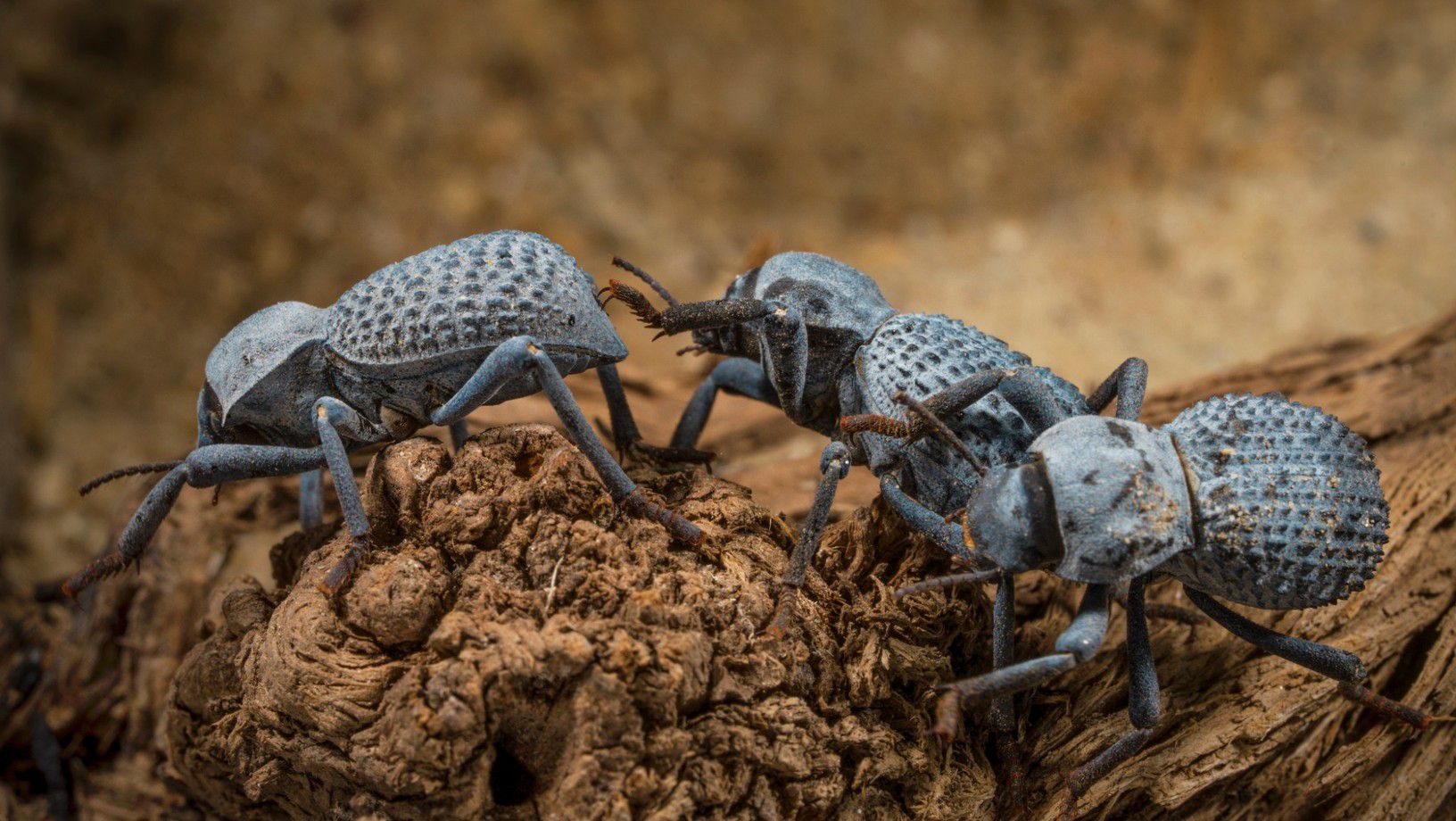
Death Feigning Beetles (Asbolus verrucosus), also known as “Blue Death Feigning Beetles” or the “Desert Ironclad Beetle,” are a species of beetle found in the deserts of the southwestern United States. They earned their name because when they feel threatened, they will lay on their backs and play dead. These desert-dwelling beetles cannot fly; instead, they spend their time foraging in the sand and hiding under rocks to keep cool. They are naturally black, but due to a coating they produce to protect them from the sun and stay hydrated, they often appear a muted powder blue color. What a fashionable, self-made sunblock!
Death Feigning Beetle Pet Profile
Experience level: Beginner
Size: ¾ inch – 1 inch in length
Lifespan: Up to 8 years
Habitat: Arid desert
Behavior: Peaceful and communal. Death feigning beetles are very social and live in groups in the wild. If you plan to have death feigning beetles, it is recommended to have at least three beetles to meet their social needs. The maximum number of beetles is determined by the size of your enclosure. More space means more beetles!
How to set up your Death Feigning Beetle habitat
Choose an enclosure that’s easy for you to open, clean, and maintain. Death feigning beetles spend most of their time on the surface, so having lots of places to hide and explore will ensure your beetles feel safe and secure.
Choosing the right enclosure
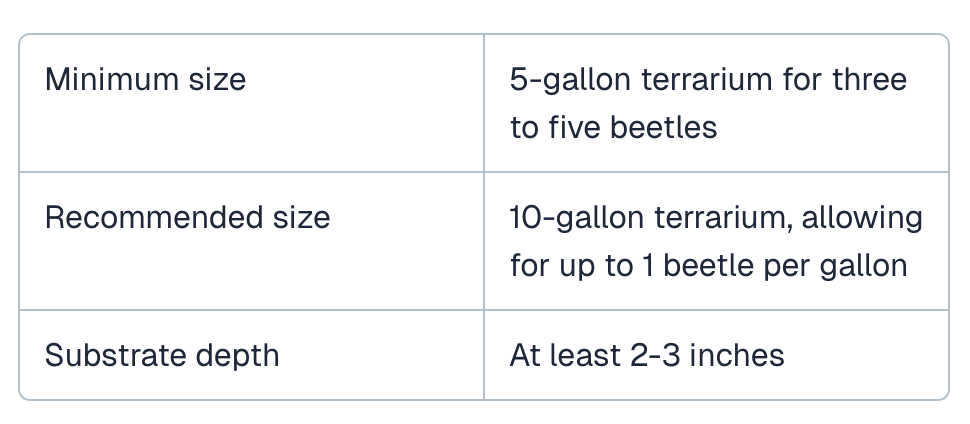
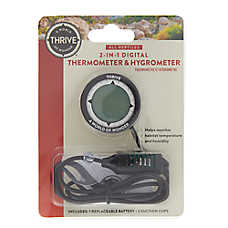
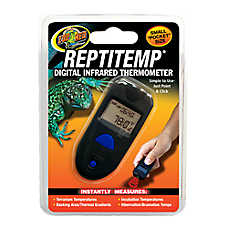
While 5 gallons is the minimum, a 10-gallon terrarium allows more room for exploration and décor, giving your beetles plenty of space to thrive. Fortunately, these beetles cannot climb smooth glass, but there should still always be a tight-fitting, ventilated lid on the enclosure. Attach a thermometer and hygrometer to the inside of your enclosure near the substrate to monitor temperature and humidity. In larger enclosures, you will want at least two thermometers and hygrometers to monitor both the warm and cool sides.
Substrate
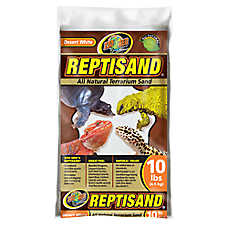
Substrate options include sand, clay, and/or desert reptile substrate. The bottom 1-2 inches of your enclosure can be a mix of sand and clay. The top inch should be a desert reptile substrate or fine sand, bringing your total substrate depth to at least 2-3 inches.
Calcium sand is not recommended, as it can become hard when exposed to moisture and stick to the beetles or prevent burrowing.
Décor and enrichment
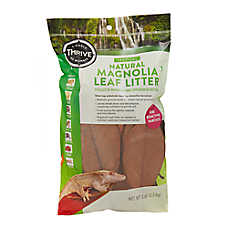
Place rocks, appropriately sized pieces of wood, pesticide-free leaf litter and décor throughout the enclosure to create a variety of places for your beetles to explore and hide. Death feigning beetles will climb any décor and wood in the habitat, so make sure they have multiple hiding areas within the decorations that are large enough to prevent them from getting stuck. Place all heat elements on the outside of the enclosure, out of reach of your beetles. A shallow food dish makes it easy to change your beetles' food regularly without dirtying their substrate.
If using live plants, ensure they are safe for the beetles and can survive in the dry habitat conditions their health requires.
Care and maintenance
- Spot clean daily
- Deep clean to remove waste every other week or as needed
- Replace substrate as needed to prevent moisture buildup and molding
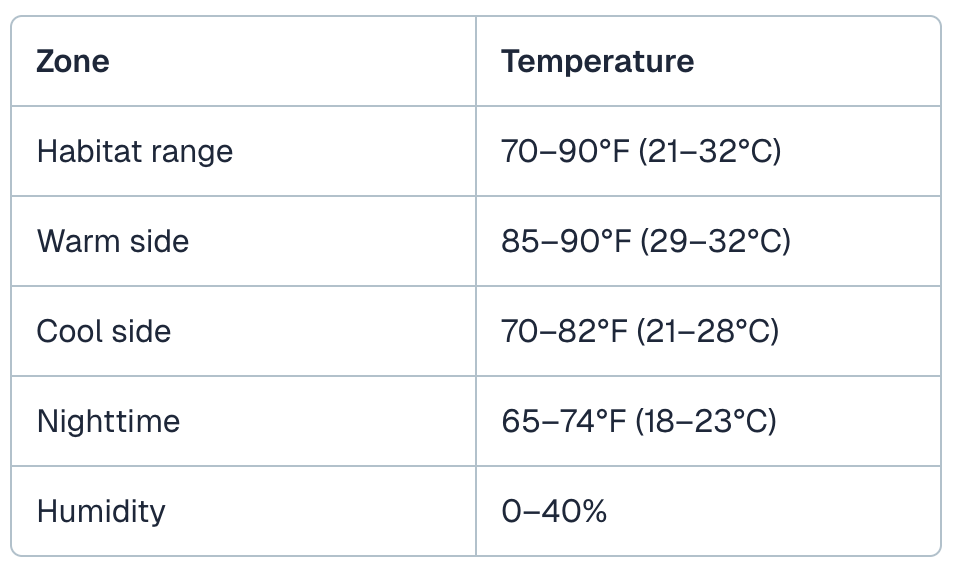
Heating and lighting for your Death Feigning Beetles Death feigning beetles prefer warmer temperatures and low humidity. They can tolerate relatively large changes in temperature, but excessive humidity can cause loss of their waxy blue coating. If that happens, lower your humidity and give your beetle time to produce their blue coating again.
If using a heat mat instead of a heating bulb, place it vertically against the wall of the enclosure rather than underneath, as heat has a hard time rising up through the substrate. A thermostat can be used to ensure the habitat maintains the correct temperature. If using a thermostat, place the thermostat sensor just above the substrate, not too close to the heat elements.
Creating a temperature gradient
If using a 10-gallon or larger terrarium, you can create a temperature gradient, meaning one side of the enclosure is warmer than the other. This allows your beetles to move between warm and cool areas of the habitat to regulate their temperature. To create this gradient, place your heating element on one end of the enclosure. This will be the warm side, and the opposite wall becomes the cool side. Place a thermometer on both sides to accurately monitor the gradient.
In smaller enclosures, it can be difficult to achieve a temperature gradient. Death feigning beetles are very tolerant and can do well without a gradient, as long as they are kept within the general temperature range. Place your thermometer and hygrometer more centrally and toward the substrate level within the habitat if you do not have a heat gradient setup.
Lighting and day/night cycle
Death feigning beetles do not require specialty lighting such as UVB. However, they do need light to simulate a regular day/night cycle. Put your beetles' light on a timer so it turns on and off in 10-12 hour intervals to maintain a consistent routine or ensure that the room lighting matches the natural timing of day and night.
What to feed your Death Feigning Beetles
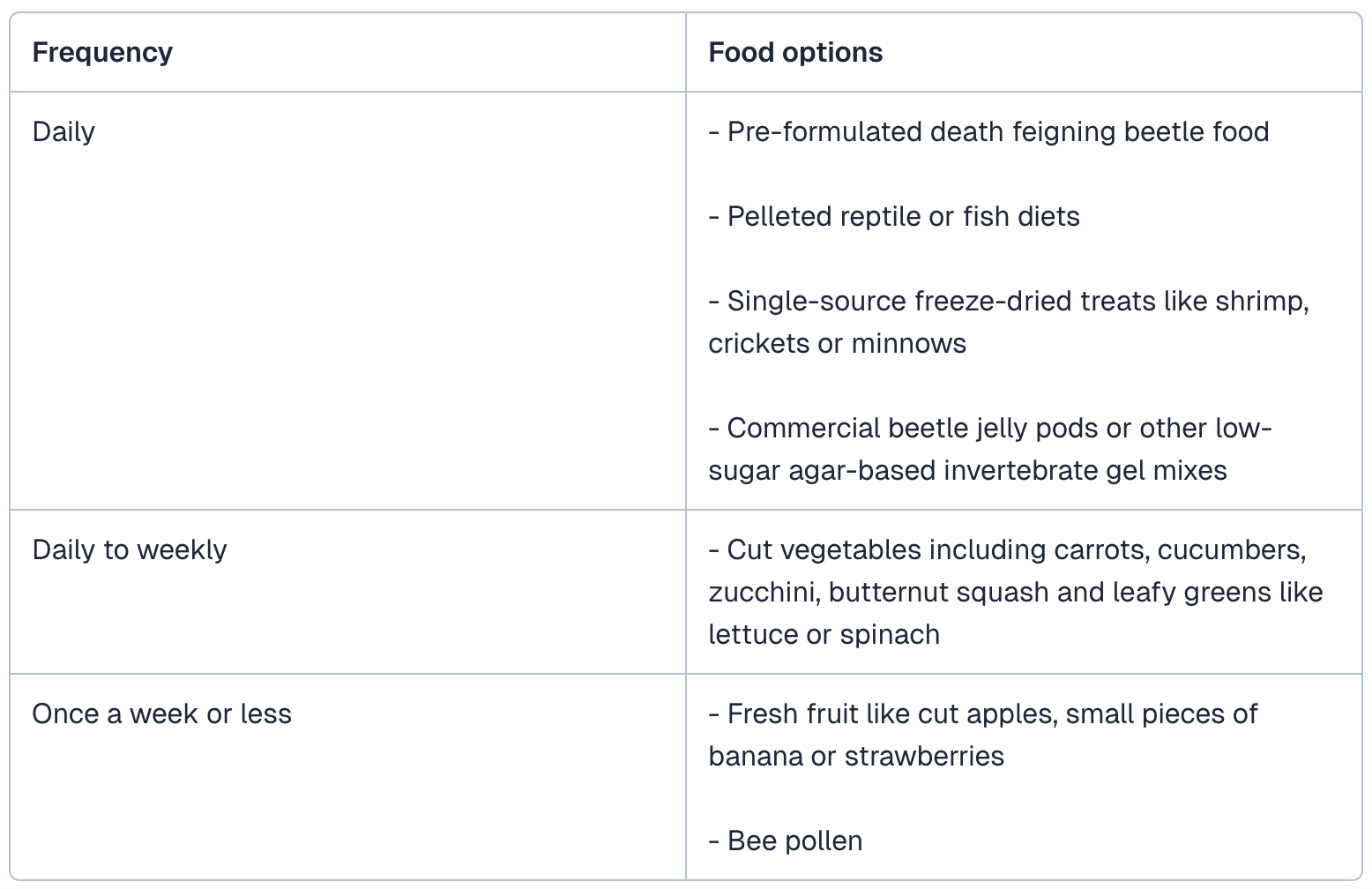
Death feigning beetles are considered both detritivores and scavengers, meaning they primarily consume decomposing organic matter such as dead plants and animals, rotting wood and fallen leaves. Remove uneaten food after 24 hours and refresh food options daily, with the exception of the invertebrate jelly which can be changed out weekly or if sooner mold present. Death feigning beetles should have food available at all times. Invertebrates are sensitive to pesticides, so take care to wash your produce prior to offering it.
Death Feigning Beetle feeding guide
Hydration and water
Death feigning beetles are well-adapted to desert life and get almost all their hydration from their food. They will drink water on occasion if it is available, but these beetles are not good swimmers. If offering a water bowl, it should be small, very shallow and easy for them to get in and out of to minimize any risk of drowning. Adding pebbles gives the beetles a way out of the bowl. Refresh and refill water every 24-48 hours if a water bowl is provided. To reduce increases in humidity, place hydration sources on the cooler side of the enclosure.
Pet parents may prefer to use commercial beetle jelly pods in addition to fresh vegetables to prevent drowning and avoid increases in humidity from a water bowl. These are readily available and come in fun flavors.
Can I keep other pets with my beetles?
Most bioactive terrariums utilize springtails and isopods to keep the habitat clean; however, it can be challenging to maintain them in the low humidity environment needed for your death feigning beetles. Isopods also utilize the same food resources and can outcompete the beetles. Springtails can be beneficial and while many will struggle with the arid environment, the common white tropical springtails may tolerate these conditions.
While some keepers use death feigning beetles as a clean-up crew in desert habitats, it is not recommended to house them with anything that may prey upon them, including reptiles, amphibians, or arachnids. For the safety of your beetles, we recommend keeping one species of beetle per habitat and not adding other animals.
Frequently Asked Questions (FAQs)
My beetle doesn’t have its blue coating and looks black or patchy.
The waxy blue coating is produced by your beetle to protect it from the sun and retain moisture. Your beetle can lose this coating due to excessive humidity, frequent handling, or rubbing against rough décor. To help your beetle get their coating back, make sure humidity stays below 40%. To achieve this: reduce or eliminate misting, adjust the substrate, ensure good ventilation, and give your beetle time. The coating should return within a few weeks.
I see mold growing in the enclosure.
Mold indicates the habitat is too moist for this desert-dwelling species. Remove any visible mold immediately. Confirm your substrate is sand or clay, reduce or eliminate misting, and ensure good ventilation. Uneaten fruit or vegetables left longer than 24 hours are a common culprit of mold growth.
My beetle is on its back and not moving. Is it dead?
Death feigning beetles play dead when startled or stressed — it's literally in their name! Gently check by looking for subtle leg or antenna movement or place the beetle upright in a quiet area and check again in an hour. If your beetle has not moved from that location by the next day, it may not be playing dead. A truly deceased beetle will become stiff and may start to dry out or discolor after a day or so. If your beetle is frequently playing dead, consider if there is something in their environment causing stress (vibrations, handling, inappropriate temperature or humidity).
My beetle seems sluggish or isn't eating.
First, check your habitat temperatures. If the enclosure is below 70°F during the day, beetles become less active. Ensure the warm side is reaching 85-90°F during the daytime. If temperatures are correct, try offering a different food from the list in the Food options table above to see what sparks interest.
My beetle’s belly looks shriveled or wrinkled.
This is a sign of dehydration. Offer a new jelly pod or piece of fresh vegetable with high water content right away. You can also place a shallow water dish with pebbles in the enclosure for 24 hours. Dehydration is uncommon when fresh food is offered regularly, so review your feeding schedule.
Fruit flies or other pests have appeared.
The low humidity needed for death feigning beetles usually discourages most pest insects. However, if you are having concerns with pests ensure you are removing any uneaten food after 24 hours and replacing jelly pods as soon as they start to dry out or show signs of spoilage. If this does not solve the problem, consider a deep cleaning including replacing the substrate.
One of my beetles seems to be picked on or isolated from the group.
Death feigning beetles are peaceful and interpersonal conflict between individuals is extremely rare. If a beetle is isolating itself, it may simply be exploring or resting. However, if a beetle appears injured, separate it into a smaller enclosure with the same conditions so you can monitor it more closely.
When should I be concerned?
Contact a veterinarian experienced with invertebrates if you notice: visible injuries, unusual behaviors, or if multiple beetles in the group show abnormal signs in a short period of time.
Shopping Checklist
What will I need for my death feigning beetle habitat?
- Aquarium or terrarium appropriately sized for the number of beetles
- Tight fitting, well-ventilated lid
- Thermometer
- Hygrometer
- Lighting
- Timer
- Heat source such as ceramic heat emitter, bulb, or heat mat
- Substrate options like desert reptile substrate and sand (not calcium sand)
- Décor like driftwood, cholla, natural cork, rocks and other ornaments to create hiding places
- Leaf litter, such as oak and magnolia
- Artificial plants
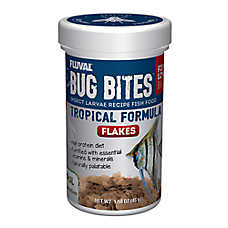
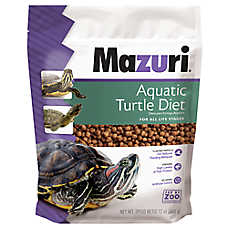
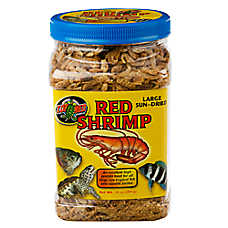
- Food options such as beetle food, fish food, reptile food, and beetle jelly pods
Information in this article is not intended to diagnose, treat or cure your pet and is not a substitute for veterinary care provided by a licensed veterinarian. For any medical or health-related advice concerning the care and treatment of your pet, contact your veterinarian.
Shop this article







Related articles