
How To Build Your Fish Tank: A Beginner’s Aquarium Setup Guide
In this Article
Key takeaways
- Choose the largest aquarium your space and budget allow. Bigger tanks are easier to maintain.
- Match your substrate, lighting and heater to the fish and plants you plan to keep.
- A properly sized filter is one of the most important pieces of aquarium equipment you'll buy.
- Decorations and hiding spots reduce stress and keep your fish comfortable.
Setting up a new aquarium is one of the most exciting steps in bringing home a new fish. Whether this is your first aquarium or you've built several aquatic habitats before, this guide walks you through each piece of equipment you need and how to choose the right one for your setup. For a broader overview of the process, also check out our guide on setting up an aquarium.
Watch this video below to see how a finished aquarium build comes together, then follow the section-by-section guide below.
Choosing your tank
In general, choose the largest aquarium you can comfortably fit in your space and budget. Larger tanks give you more variety in your fish selection and are actually easier to maintain because the water chemistry stays more stable. In addition to size, you'll also want to think about shape.
Common options include:
- A classic rectangle aquarium for maximum swimming space
- A hexagon starter kit for a compact, eye-catching display
- A slanted-front aquarium for an unobstructed viewing angle
New tanks can be rinsed thoroughly or cleaned with a mild detergent. Used tanks should be disinfected before being rinsed well and placed. Set your aquarium on a level, stable surface. A dedicated tank stand works best. Remember: water weighs about eight pounds per gallon, so a 20-gallon tank is a serious load for any furniture.
Finding the right lid
Some tanks come with a custom-fit lid. Others require one purchased separately. A lid serves several important purposes:
- Reduces evaporation so you top off less often
- Prevents accidental spills into your aquarium
- Keeps fish and aquatic frogs safely inside the tank
An aquarium "hood" is a lid with built-in lighting. It looks sleek, keeps cords organized and is a great all-in-one option.
Selecting your substrate
Substrate is the gravel, sand, or plant-friendly material that lines the bottom of your aquarium. Choosing the right type matters for both your fish and your décor. Here are the main options to consider when shopping for substrate and gravel:
- Fine sand: This type of sand works well for bottom-dwelling fish like loaches, catfish and cichlids that sift the substrate while foraging.
- Plant substrate: If you want a planted tank with live plants, use a substrate designed for plant roots like Fluval Plant and Shrimp Stratum. Learn more in our Aquatic Plants Care Guide.
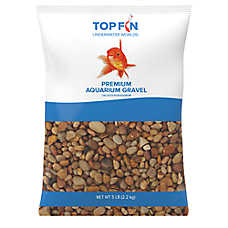
- Gravel: A classic choice for tanks with artificial plants. Gravel comes in natural tones and bright colors, giving you a lot of design flexibility.
As a general tip, fish tend to be less stressed on darker substrates. For more on reducing fish stress, see our guide on how to reduce stress for your fish.
And if you're dreaming of a carefully designed underwater landscape, our How to Aquascape: A Beginner's Guide is a great place to start.
Setting up your lighting
Good lighting lets you see your fish clearly and, for planted tanks, supports healthy plant growth. Here's how to match your light to your setup:
- Planted tanks: Choose a brighter LED light with a plant-friendly spectrum. Some plants need more light than others. Our Aquatic Plants Care Guide covers what each plant needs.
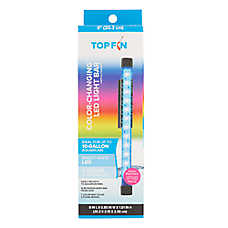
- Fish-only or décor tanks: A color-changing LED light bar provides great viewing without being too intense for your fish.
Lights should stay on no more than 12 hours per day on a consistent schedule. Using a light timer makes this easy to automate. Consistent lighting also helps prevent algae overgrowth.
Picking the right heater
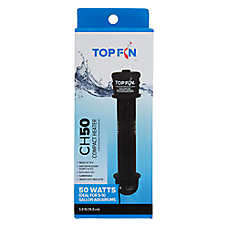
Most tropical fish, including tetras, cichlids and bettas, need water that is warmer than room temperature. Cold-water fish like koi and goldfish may need chiller instead, depending on their environment. Select a heater sized appropriately for your tank volume.
Here's what to keep in mind:
- A heater that is too large can overheat quickly
- A heater that is too small will be ineffective and can burn out
- Submersible heaters can be placed fully beneath the waterline
- Semi-submersible heaters must remain partially above the waterline
Check the packaging for the tank size rating and match it to your aquarium volume.
Installing your filter
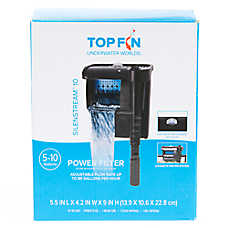
Filtration is one of the most important things you'll invest in for your aquarium. A good aquarium filter keeps the water clean, maintains healthy bacteria colonies and supports happy, thriving fish.
Unlike heaters, it's better to size up when choosing a filter. As a general rule:
- Your filter should "turn over" the full tank volume three to four times per hour
- For a 10-gallon tank, that means a filter rated for 30 to 40 gallons per hour
- Bigger filters give you more flexibility as your tank evolves
For more detail on selecting and maintaining your filter, visit our Aquarium Maintenance Guide.
Adding decorations
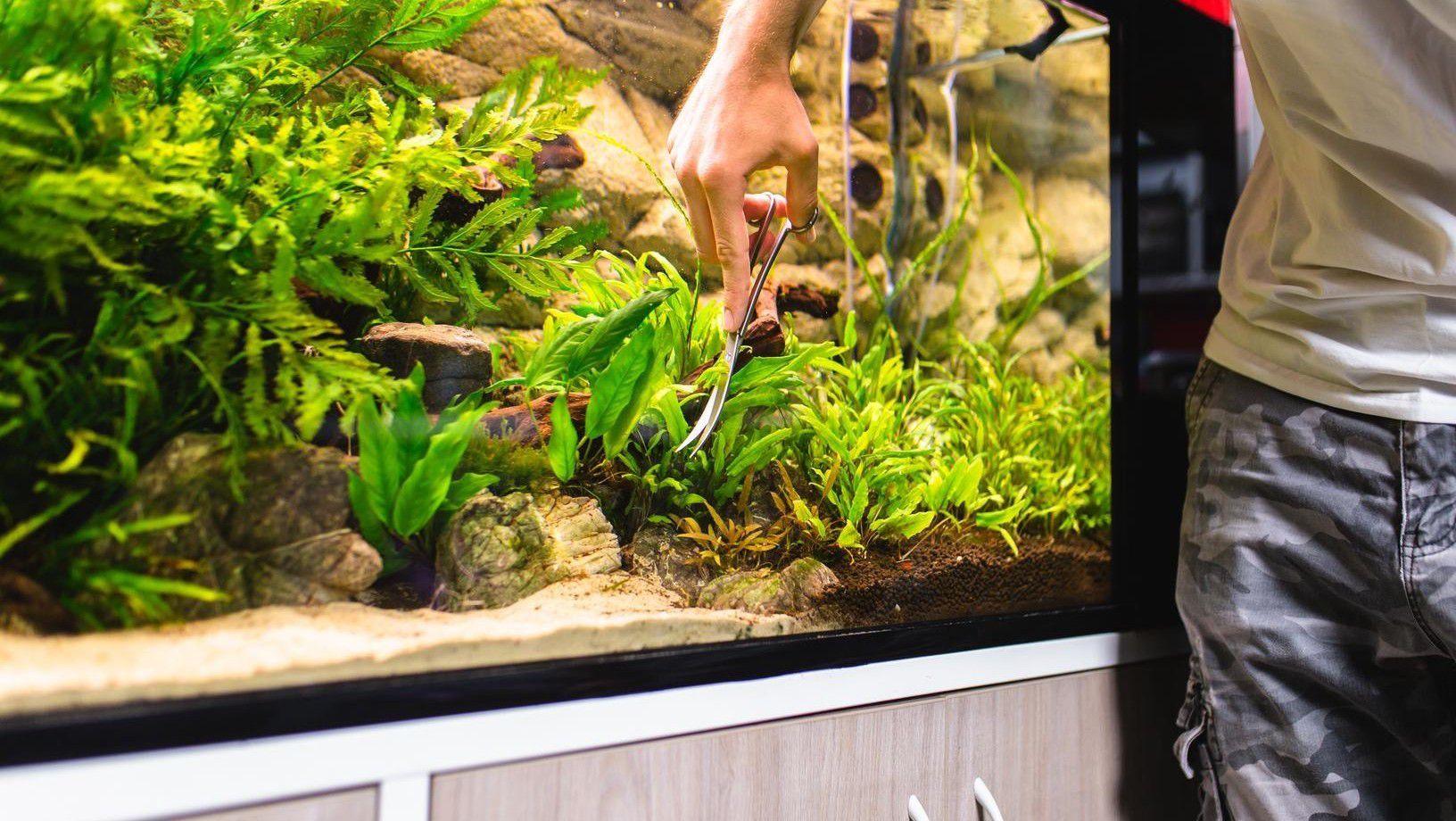
A well-decorated tank with plenty of hiding spots reduces stress and encourages your fish to explore. Think of decorations as enrichment, the same way you'd give a dog toys or a cat a climbing tree. Plants (real or artificial), caves, driftwood and ornaments all serve that purpose. Choosing your tank décor is almost as fun as choosing your fish. A few popular styles:
- Natural aquascape: driftwood, live plants and natural gravel. See our How to Aquascape: A Beginner's Guide for step-by-step help.
- Vibrant and playful: brightly colored artificial plants, whimsical ornaments and bold gravel for a fun, eye-catching display.
- Mixed: combine natural and artificial elements to match your fish's needs and your own aesthetic preferences.
Before adding fish, use our Fish Compatibility Guide to make sure the species you're interested in can share a tank happily.
You're ready to build your aquarium
Building a fish tank is a rewarding project, and every decision you make, from the aquarium size to the substrate to the filter, sets your fish up for a long, healthy life. Take your time, match your equipment to your fish, and enjoy the process. Shop all the fish supplies you need at PetSmart.
Information in this article is not intended to diagnose, treat or cure your pet and is not a substitute for veterinary care provided by a licensed veterinarian. For any medical or health-related advice concerning the care and treatment of your pet, contact your veterinarian.