Freshwater vs Saltwater Fish: Which Is Right for You?
In this Article
Starting a new aquarium means choosing between freshwater and saltwater fish before you start choosing tank size or decoration. This fundamental decision shapes everything from your initial setup costs to your daily maintenance routine. Both types of aquariums offer rewarding experiences, but they require different approaches to care, equipment, and decor.
Understanding the differences between these two aquarium types helps you make an informed choice that aligns with your experience level, budget, and lifestyle. This guide breaks down the key distinctions in biology, care requirements, and practical considerations to help you decide which path to take.
Understanding the fundamental differences
Biological adaptations
Freshwater and saltwater fish have evolved completely different systems for managing water and electrolytes in their bodies. Freshwater fish live in water with very low salt content, while saltwater fish inhabit oceans with high salinity. These environments require opposite biological strategies for survival.
Freshwater fish constantly absorb water through their skin and gills because their body fluids contain more electrolytes than the surrounding water. They produce large amounts of dilute urine to expel this excess water. Saltwater fish face the opposite challenge—they lose water to their salty environment and must drink seawater constantly, using specialized cells in their gills and kidneys to excrete excess salt.
This biological difference means you cannot simply move a fish from one type of water to another. Each species has adapted specifically to its native environment over millions of years.
Environmental stability
Oceans maintain remarkably stable water chemistry because of their massive volume. Temperature, pH, and salinity change very slowly in marine environments. This stability means saltwater fish are adapted to consistent conditions and can be sensitive to fluctuations in aquarium parameters.
Freshwater environments like rivers and lakes experience more variation. Seasonal changes, rainfall, and runoff create fluctuating conditions. Many freshwater fish have adapted to tolerate a wider range of water parameters like pH, temperature, and alkalinity, making them generally more forgiving of the small changes that occur in home aquariums.
Freshwater aquariums: an overview
Freshwater aquariums are the most popular choice for beginner and experienced aquarists alike. The wide variety of available species, more variable water chemistry, and lower initial costs make freshwater fishkeeping accessible to most people.
Equipment and setup
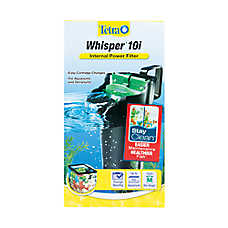
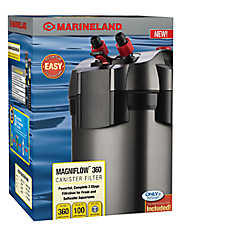
Freshwater tanks require different equipment than saltwater setups. Essential components include an aquarium (10 gallons or larger is recommended for beginners), a correctly sized filter, heater for tropical species or chiller for cold water species, lighting, substrate, and decorations. Many aquarists like the ease of starter kits that bundle compatible equipment together.
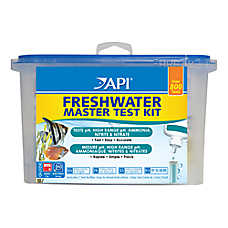
Most tropical community fish at PetSmart thrive in similar water conditions, making it easier to create compatible groups. Regular water quality testing and weekly water changes maintain healthy tank conditions. The biological filtration system that develops during the cycling process handles most waste management once established.
Healthy aquariums rely on the Nitrogen Cycle, the process that allows beneficial bacteria to consume and detoxify waste products into less harmful forms that can be removed with regular maintenance and water changes. The beneficial bacteria grow on every surface in the aquarium, including the gravel, decorations and filter media. These helpful bacteria break down unhealthy fish byproducts (ammonia and nitrite) and convert them into nitrate through a process called nitrification.
Read more about the Nitrogen Cycle and how to maintain healthy water in our Aquarium Water Quality Care Guide.
Care requirements
Freshwater and saltwater tanks need consistent but straightforward maintenance. Daily feeding and observation take just minutes. Weekly water changes of 10-25% keep parameters stable. Most fish food options include flakes, pellets, and frozen foods appropriate for community species.
Popular freshwater fish include tetras, guppies, platies, mollies, and corydoras catfish. Betta fish offer a striking appearance though males must be kept as the only male betta in the aquarium. Check PetSmart's Fish Compatibility Guide to help guide your choices when adding fish to your system.
Saltwater aquariums: an overview
Saltwater aquariums offer stunning displays of colorful fish and invertebrates found nowhere else in the hobby. While more demanding than freshwater tanks, modern equipment and better understanding of marine ecosystems have made saltwater fishkeeping more accessible than ever.
Equipment and setup
Saltwater tanks require more specialized equipment and a larger initial investment. Beyond the basic tank, filter, and heater, marine setups need protein skimmers for waste removal, powerheads for water movement, and stronger lighting for reef aquariums. You'll also need marine salt mix and tools to measure salinity accurately as well as access to RODI water.
Care requirements
Saltwater aquariums require more frequent monitoring and hands-on care than freshwater systems. While freshwater tanks are typically tested and maintained weekly, saltwater tanks often require multiple checks per week to closely monitor parameters like salinity, pH, and alkalinity. Water changes also take more preparation, as saltwater must be mixed in advance rather than treating tap water. Additionally, many marine fish have specialized dietary needs beyond standard flakes or pellets, requiring more tailored feeding routines.
Popular and readily available species include clownfish, damselfish, gobies, and firefish. All fish require consistent monitoring of their water chemistry with saltwater fish needing precisely managed parameters. The rewards come in the form of vibrant colors and unique livestock that are not found in the typical freshwater aquarium. .
Getting started with your aquarium
Regardless of whether you choose a freshwater or saltwater aquarium, success requires patience and preparation. Never rush the cycling process—this crucial period establishes beneficial bacteria that keep your fish healthy. Take time to research your chosen species thoroughly before purchase. For freshwater fish, take a chance to review our Care Guides.
For a comprehensive review of starting a new freshwater aquarium, read Stock your tank gradually, adding just a few fish at a time. This approach prevents overwhelming your biological filtration and gives you time to observe how new additions interact with existing inhabitants.
FAQs
Can I convert a freshwater tank to saltwater?
Yes, but you'll need to thoroughly clean the tank and purchase marine-specific equipment including a protein skimmer, powerheads, and higher-quality lighting. You cannot simply add salt to an existing freshwater tank with fish in it—the conversion requires completely breaking down and restarting the system.
Which type of tank is easier for beginners?
Freshwater tanks are significantly easier for beginners. They cost less to set up, require less specialized knowledge, offer more forgiving water parameters, and provide a wider selection of readily available fish species. Most aquarists recommend gaining experience with freshwater systems before attempting saltwater.
Are saltwater fish more aggressive than freshwater fish?
Not necessarily. Both freshwater and saltwater include peaceful community species and aggressive territorial fish. The key is researching individual species and their compatibility requirements. Marine tanks often have fewer total fish, which can help reduce territorial conflicts if species are chosen carefully.
Do saltwater tanks require more frequent water changes?
Water change frequency is similar between freshwater and saltwater tanks—typically 10-25% weekly. However, saltwater changes are more time-consuming because you must mix marine salt with purified water and let it aerate before adding to the tank. You cannot simply treat tap water and add it directly as you can with most freshwater systems.
Can I keep saltwater and freshwater fish together?
No. Saltwater and freshwater fish cannot live together because they require completely different water chemistry. Their bodies have evolved opposite mechanisms for managing salt and water. Attempting to keep them together would be fatal to the fish.
What size tank should I start with?
For freshwater, 10- 20-gallon tanks provides a good balance between space and manageability for beginners. For saltwater, start with at least 30 gallons—larger tanks maintain more stable water parameters in all aquarium systems. Contrary to popular belief, larger tanks are often easier to maintain than very small ones because they're more forgiving of minor mistakes.
Which type has more colorful fish?
Saltwater fish are generally known for more vibrant, diverse coloration—think bright yellows, intense blues, and striking patterns. However, freshwater offers plenty of colorful options including bettas, guppies, cichlids, and various tetra species. The "most colorful" choice depends on your specific preferences and which particular species appeal to you.
Need supplies for your fish? PetSmart carries fish food, tanks & aquariums, starter kits for fish, and water quality tests, as well as a variety of live fish such as goldfish, betta fish and koi and pond fish.
PetSmart offers convenient shopping with Curbside Pickup or in-store pickup. Need something today? We have select items available for Same-Day Delivery in most areas powered by DoorDash. For items you purchase frequently, PetSmart has Autoship that automatically delivers the items you want to your door as often as you'd like. Check the website to see which items are eligible.
Information in this article is not intended to diagnose, treat or cure your pet and is not a substitute for veterinary care provided by a licensed veterinarian. For any medical or health-related advice concerning the care and treatment of your pet, contact your veterinarian.