Sign up, earn points, get treats
Enable accessibility

The Pros and Cons of Puppy Pads
In this Article
Bringing home a new dog means a home full of joy, hours of companionship – and lots of messes early on. Puppy pads can be a lifesaver, keeping your floors dry while your furry friend figures out the potty routine.
Whether you live in an apartment, work long hours or just want an extra option for rainy days, pads can make potty training much easier. This guide covers the various types of puppy pads, why you may or may not want to use them and how to train your pup to use these handy absorbent squares.
What are puppy pads?
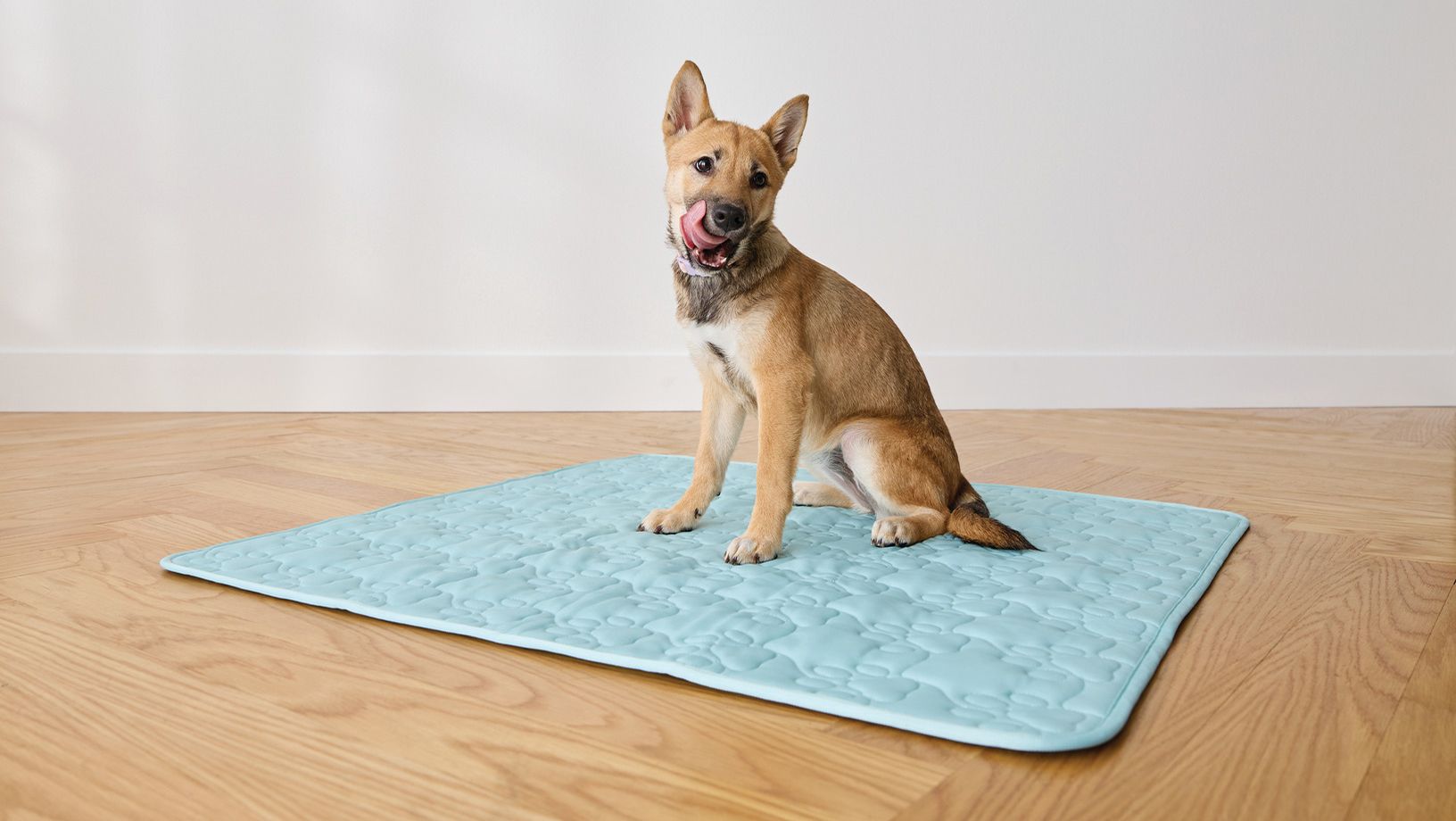
A puppy pad is basically a big, absorbent mat that soaks up pee so you don’t have to. It has several layers – some trap liquid, some stop leaks and some help with odors. Some pads even have special scents to encourage your pup to use them. You can find disposable, reusable and even grass-style pads that mimic the outdoor experience. With so many options, you’re sure to find one that fits your puppy’s needs perfectly.
Why use puppy pads?
Puppy pads offer lots of benefits for dogs and their human parents.
- Great for apartment dwellers. If you don’t have a backyard, a puppy pad gives your pup a designated spot to go without waiting for a walk. It’s especially helpful for high-rise living.
- A lifesaver for bad weather. No one wants to take a dog outdoors in the pouring rain or freezing cold and stand there waiting for the puppy to go. With a puppy pad, you can keep your pup (and yourself) warm and dry.
- Helpful for busy schedules. Whether you’re working or you can’t always get home on time, a puppy pad provides a safe alternative, so your pup doesn’t have to hold it for too long.
- Essential for young puppies. Tiny bladders mean frequent potty breaks. A puppy pad makes it easier to manage those accidents while reinforcing good habits.
- Perfect for senior or sick dogs. Older pups or dogs with health issues may struggle to hold their bladders. Puppy pads give them a comfortable, stress-free solution.
Types of puppy pads.
You’ll find several types of puppy pads as you shop online or browse the aisles of your local pet store
- Disposable pads. These single-use pads are super convenient.
- Reusable pads. If you prefer an eco-friendly option, reusable puppy pads are washable and durable. They’re great for long-term use and save money over time.
- Grass pads. These pads mimic real grass, helping your pup transition to going outside. Some are disposable, while others have replaceable turf for a more natural feel.
- Scented and attractant pads. Infused with pheromones or mild scents, these puppy pads encourage puppies to use them by appealing to their natural instincts.
- Charcoal or odor-control pads. If you’re sensitive to smells, these pads help neutralize odors while absorbing liquid efficiently.
Training your puppy to use a pad.
Follow these steps and it won’t take long for your pup to pick up the puppy pad routine.
- Pick a designated spot. Keep the pad in a consistent location so your pup knows where to go. A quiet, low-traffic area works best.
- Introduce your pup to the pad. Let your puppy sniff and explore the pad before expecting them to use it. Give them lots of praise when they show interest.
- Stick to a schedule. Take your puppy to the pad after meals, naps and playtime. The more consistent you are, the faster they’ll learn.
- Use positive reinforcement. Every time your pup successfully uses the pad, reward them with a treat or praise. Happy pups learn faster!
- Keep it clean. Change the pad regularly to keep things fresh and inviting. A dirty pad may discourage use and lead to accidents elsewhere.
- Be patient. Accidents happen. If your puppy misses the pad, clean it up without scolding them. Instead, guide them back to the pad and encourage them to try again.
Pros and cons of puppy pads.
Pros:
- Easy cleanup and less mess.
- Great for apartments or homes without easy outdoor access.
- Ideal for puppies, senior dogs or those with health issues.
- Convenient for travel or emergency situations.
Cons:
- Some puppies become too reliant on them and resist outdoor training.
- Pads can become chew toys if left unattended.
- Frequent use of disposable pads can get expensive.
- Odors can linger if pads aren’t changed often enough.
Tips for transitioning from puppy pads to outdoor potty training.
When it’s time to say goodbye to the pads, here’s how to help your puppy switch to outdoor mode.
- Move the pad closer to the door. This helps your pup associate the pad with eventually going outside.
- Take frequent outdoor breaks. Whenever possible, encourage your puppy to go outside instead of using the puppy pad.
- Use outdoor-friendly attractants. Special sprays mimic the scent of a pad on outdoor areas, making the transition easier.
- Put a pad outside. When you see your puppy approach a pad, scoop them up and move them to the outdoor location.
- Gradually reduce use of the pad. If you use multiple puppy pads throughout your home, start removing them one by one until only outdoor potty options remain.
Common puppy pad mistakes.
To make potty training more effective, avoid these common mistakes.
- Not changing pads often enough. A dirty puppy pad can lead to accidents elsewhere. Keep things clean!
- Moving the pad too frequently. This confuses your puppy. Keep it in one place until they’re ready to transition.
- Skipping rewards. Puppies thrive on positive reinforcement. Praise and treats make dog training more effective.
- Choosing the wrong size. A small puppy pad won’t cut it for large breeds. Make sure you pick the right size for your pup.
FAQs.
How long should I use puppy pads?
It depends! Some pet parents use puppy pads permanently, while others phase them out within a few months. If you’re planning to transition, start reducing puppy pad use after your pup gets the hang of potty training.
Do puppy pads work for older dogs?
Absolutely. Many senior dogs or dogs with mobility issues benefit from using a pad when they can’t always make it outside.
Can I use puppy pads for a large breed puppy?
Yes, but make sure you’re using large-sized pads or layering multiple pads together to accommodate their needs.
How do I stop my puppy from chewing the pad?
Try using a puppy crate or dog gate to limit access when unsupervised. You can also switch to a reusable fabric puppy pad, which is harder to tear apart.
Are puppy pads bad for potty training?
Not at all! They can actually be a great step in the potty training process
Information in this article is not intended to diagnose, treat or cure your pet and is not a substitute for veterinary care provided by a licensed veterinarian. For any medical or health-related advice concerning the care and treatment of your pet, contact your veterinarian.
Shop this article




Related articles