
The Best Dog Food for a Healthy Pup

In this Article
Choosing food for your dog can feel overwhelming with so many options available. The truth is, there's no single "best" food that works for every dog. What supports your dog's health depends on their age, size, activity level, and individual needs.
According to the American Veterinary Medical Association, a nutritionally balanced diet appropriate for your dog's life stage is fundamental to their overall health and wellbeing. This guide will help you understand what to look for when selecting dog food that may support your pup's health.
However, individual dogs may have different requirements based on their health status, so consulting with your veterinarian can help you make the most appropriate choice.
Choosing food for your dog's life stage
Dogs have different nutritional needs depending on their age and development. According to Cornell University College of Veterinary Medicine, puppies require higher levels of protein and fat to support growth, while senior dogs may benefit from formulas designed for their changing metabolism.
Puppy food
Growing puppies need nutrient-dense food to support development. Look for products labeled for growth or all life stages.
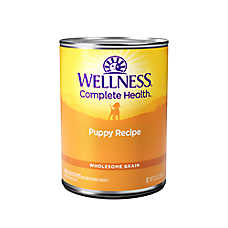
Puppy food formulated for puppies typically contains higher levels of calories, protein, and essential nutrients like calcium and phosphorus.
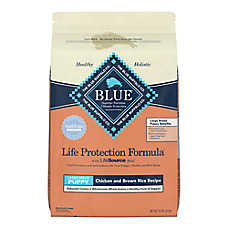
Large breed puppies have specific needs. Foods designed for large breed growth help support proper bone development and may help maintain healthy growth rates.
Adult dog food
Once your dog reaches adulthood, typically between one and two years depending on breed size, they can transition to adult maintenance formulas. These foods are formulated to support your dog's everyday energy needs and overall health.
Explore dry dog food options formulated for adult maintenance to find formulas that may suit your dog's needs.
Senior dog food
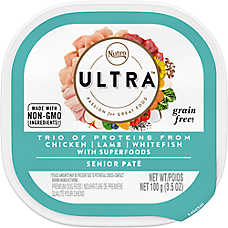
As dogs age, their metabolism and activity levels often change. Senior formulas may contain adjusted calorie levels and added nutrients that support aging dogs. The American Veterinary Medical Association notes that senior dogs may benefit from diets that support joint health and maintain healthy body weight.
Your veterinarian can help determine when your dog might benefit from transitioning to a senior formula based on their breed, size, and individual health status.
Understanding different food formats
Dog food comes in several formats, each with different characteristics. No single format is inherently better than others. What works well for your dog depends on their preferences, your lifestyle, and your veterinarian's recommendations.
Bags
Food in bags offers convenience and typically provides complete nutrition in a shelf-stable format. Many dogs thrive on these formulas throughout their lives. Bags come in various formulations for different life stages and dietary needs.
You can find a wide selection of dry dog food that may meet your dog's nutritional needs.
Cans
Food in cans typically has higher moisture content, which some dogs find palatable. This format can be suitable as a complete meal or as a topper to enhance the flavor of other foods.
Browse wet dog food options to see what might appeal to your dog.
Fresh and frozen options
Some pet parents choose fresh or frozen formulas as alternatives to traditional formats. The fresh and frozen dog food options available at PetSmart are minimally processed options to ensure food safety standards are met.
Fresh and frozen dog food can be suitable for dogs when properly stored and handled according to package instructions. As with any diet, your veterinarian can help determine whether fresh or frozen food is appropriate for your pet’s individual needs.
Toppers and mix-ins
You can enhance your dog's meals with toppers in tubs or pouches.
Dog food toppers add flavor and variety while your dog continues to receive balanced nutrition from their main food.
Reading ingredient labels
Ingredient lists can help you understand what's in your dog's food. Ingredients appear in descending order by weight. According to the American Animal Hospital Association, while ingredient lists provide useful information, the guaranteed analysis and AAFCO statement are more reliable indicators of nutritional information.
When reviewing labels, you might notice:
- Protein sources: Chicken, beef, fish, or other animal proteins typically appear near the beginning of the list
- Carbohydrate sources: Grains, potatoes, or legumes that provide energy and fiber
- Fats: Animal fats or oils that support skin, coat, and overall health
- Vitamins and minerals: Added nutrients that help ensure complete nutrition
Your veterinarian can help you interpret labels and determine which ingredients may be appropriate for your dog's specific needs.
Special dietary considerations
Food sensitivities
Some dogs may experience sensitivities to certain ingredients. If your dog shows signs of digestive upset or skin issues, your veterinarian may recommend trying a limited ingredient formula or a food with novel protein sources.
Weight management
According to Cornell University College of Veterinary Medicine, maintaining a healthy weight is important for your dog's overall health. If your dog needs to lose weight or maintain an ideal body condition, your veterinarian may recommend portion control or formulas designed for weight management.
Health conditions
Dogs with certain health conditions may benefit from veterinary therapeutic diets formulated to support specific needs. These specialized formulas require veterinary guidance and are available through your veterinarian's office or with their authorization.
Working with your veterinarian
Your veterinarian is your best resource for nutrition advice. Consider consulting your veterinarian when:
- Choosing food for a new puppy
- Your dog shows signs of food sensitivities or digestive issues
- You're considering changing your dog's diet
- Your dog has a diagnosed health condition
- You have questions about portion sizes or feeding frequency
- Your dog's weight or body condition changes
Tips for transitioning to new food
When changing your dog's food, a gradual transition can help prevent digestive upset. The American Animal Hospital Association recommends mixing increasing amounts of the new food with decreasing amounts of the current food over seven to ten days.
A typical transition schedule:
- Days 1-2: 25% new food, 75% current food
- Days 3-4: 50% new food, 50% current food
- Days 5-6: 75% new food, 25% current food
- Day 7+: 100% new food
Monitor your dog during the transition. If you notice persistent digestive upset, consult your veterinarian.
FAQs
Should I choose grain-free food for my dog?
Grain-free diets aren't necessary for most dogs unless your veterinarian has identified a specific grain sensitivity. Discuss your dog's specific needs with your veterinarian before making dietary decisions.
How much should I feed my dog?
Feeding guidelines on food packages provide a starting point, but individual dogs may need more or less depending on their activity level, metabolism, and body condition. Your veterinarian can help you determine appropriate portion sizes for your dog.
Can I mix different food formats?
Many pet parents combine different formats, such as adding food from cans to food from bags, or using toppers for variety. This can be appropriate as long as you account for the total calories and maintain proper portions. Consult your veterinarian if you have questions about mixing formats.
When should I switch from puppy to adult food?
The timing varies by breed size. Small breed dogs may be ready for adult food around 9-12 months, while large breed dogs may need puppy food until 12-18 months. Your veterinarian can recommend the best transition time based on your dog's growth and development.
Are more expensive foods always better?
Price doesn't always indicate nutritional quality. What matters most is whether the food meets nutritional needs for your dog's life stage and whether your dog thrives on it. Many foods at different price points can provide complete nutrition.
Should I add supplements to my dog's food?
Complete and balanced dog foods contain the nutrients your dog needs. Adding supplements without veterinary guidance may create nutritional imbalances. If you're concerned about your dog's nutrition, consult your veterinarian before adding supplements. You can explore dog vitamins and supplements if your veterinarian recommends them.
Information in this article is not intended to diagnose, treat or cure your pet and is not a substitute for veterinary care provided by a licensed veterinarian. For any medical or health-related advice concerning the care and treatment of your pet, contact your veterinarian.