
Outdoor Waste Management 101: Poop Bags, Scoopers & Clean-Up Tips
In this Article
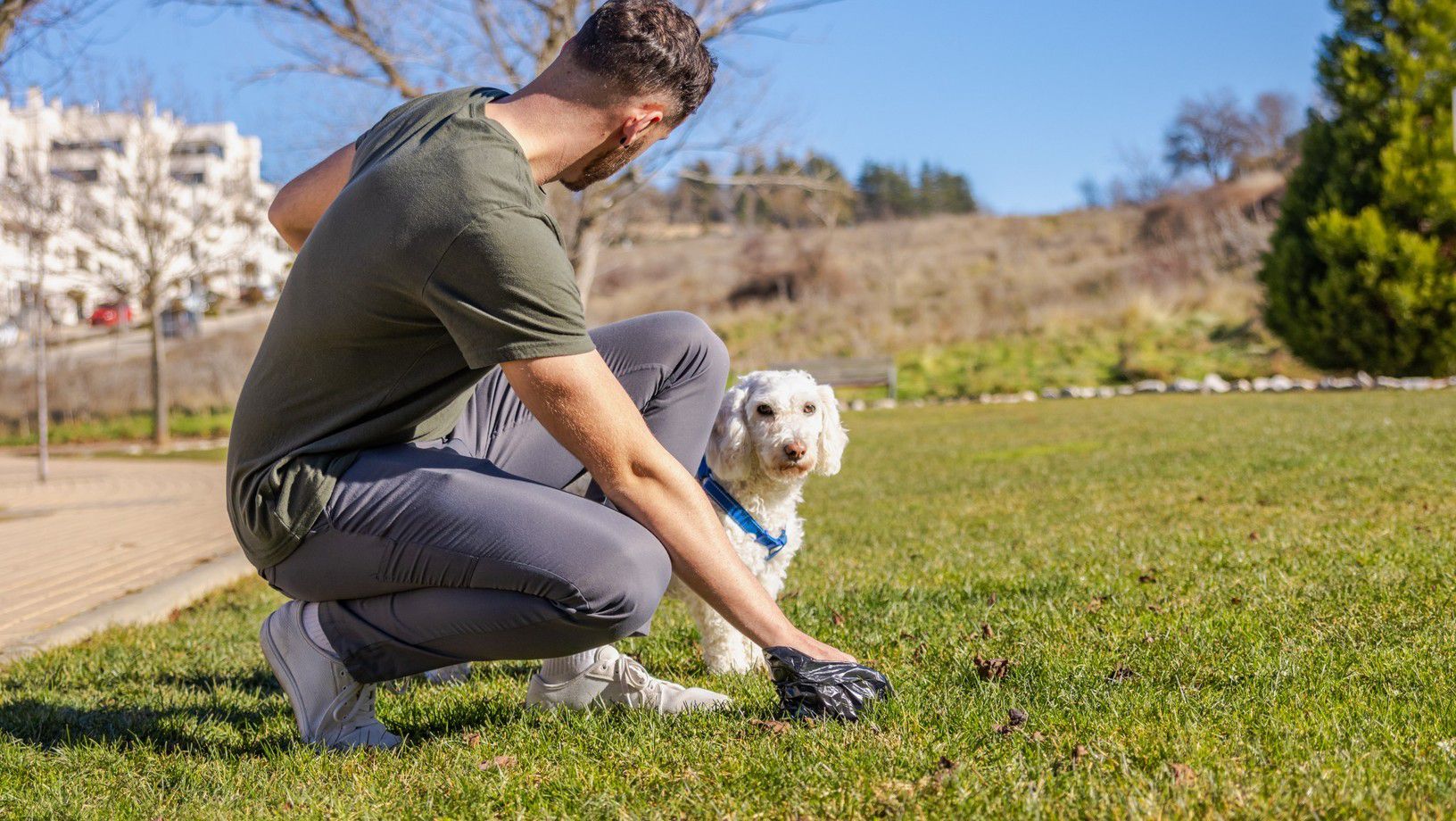
Spring walks are one of the best parts of dog ownership. More daylight, warmer air, and a pup who can’t wait to hit the trail. But every outing comes with a responsibility: cleaning up after your dog.
It’s not just about courtesy. Dog waste can affect soil, local waterways, and even the health of other pets and people if left behind. Having the right cleanup gear makes it easy to do the right thing, every time.
This guide walks you through the different dog poop bag options, scoopers, holders, and backyard solutions so you can find the setup that fits your lifestyle.
Why picking up after your dog matters
Dog waste isn’t the same as wildlife droppings. It’s high in nitrogen, bacteria, and parasites that don’t break down as fertilizer. When left on the ground, rain can carry it into storm drains and nearby bodies of water.
Beyond the environmental impact, leaving waste behind can spread parasites like roundworms, giardia, and hookworms to other dogs in the neighborhood. Regular, responsible cleanup protects your community and keeps public spaces welcoming for everyone.
Poop bags: your everyday essential
Poop bags are the foundation of any waste cleanup routine. They’re compact, affordable, and easy to toss in a pocket or clip to your leash. Here’s a look at what’s available.
Standard poop bags
Standard plastic poop bags are thick, leak-proof, and come in rolls that fit most dispensers. Many are scented to help mask odors during carry. They’re widely available in bulk, making them a practical choice for pet parents with one or more dogs.
Bags with handles
Some bags include built-in tie handles, making it easier to seal and carry waste without the bag slipping. These are a popular pick for longer walks where you’re carrying a bag for a while before finding a trash can.
Biodegradable poop bags
Biodegradable dog poop bags are marketed as a more eco-conscious option. These bags are designed to break down more readily than standard plastic. If sustainability is a priority for you, look for options made from plant-based materials. Keep in mind that most waste, regardless of bag type, goes to landfills, where breakdown conditions vary.
What to look for in a poop bag
- Thickness: Thicker bags are less likely to tear during pickup.
- Size: Make sure bags are large enough for your dog’s needs. Extra-large bags are available for bigger breeds.
- Scent: Scented bags can help during the walk, though unscented options work just as well.
- Roll compatibility: Check that the rolls fit your dispenser before buying in bulk.
Poop bag holders and dispensers
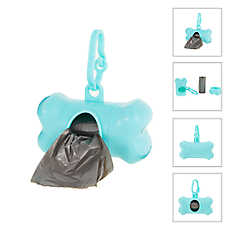
A good poop bag holder means you’re never caught without a bag on a walk. Dispensers clip directly to your leash, belt loop, or bag, keeping a roll within reach at all times.
Most dispensers are designed to hold a standard roll and have an opening at the bottom so you can pull bags out one at a time. Some include a small storage compartment for keys, treats, or cards.
When choosing a dispenser, look for:
- Leash attachment: A sturdy clip keeps the dispenser secure during active walks.
- Easy-pull opening: You should be able to grab a bag with one hand without fumbling.
- Refill compatibility: Confirm the dispenser fits standard replacement rolls.
Bag dispensers are one of those items worth stocking up on. Keep one on every leash so you’re always prepared, no matter which setup you grab for the walk.
Poop scoopers: hands-free cleanup
A dog poop scooper is ideal for backyard cleanup. Rather than bending down with a bag every time, a scooper lets you keep your distance from the mess. There are a few different styles to consider.
Jaw scoopers
Jaw-style scoopers open and close around waste with a pinch handle, making them a popular one-handed option. They work well on hard surfaces like patios and sidewalks, and many models work on grass too.
Rake and pan sets
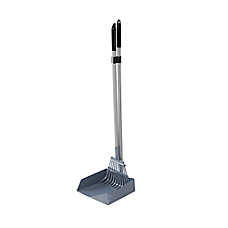
A long-handled rake and pan set is well-suited to larger yards. The rake lets you sweep waste into the pan without bending or touching the ground, which is especially convenient for daily yard maintenance. Look for rust-resistant models that are easy to hose off after use.
Scoopers with bag attachments
Some scoopers are designed to work with waste bags directly, depositing the waste into the bag as you scoop. This hybrid approach works well for pet parents who want the reach of a scooper with the convenience of bag disposal.
Whichever scooper you choose, rinse it after each use and let it dry to prevent buildup. A quick rinse keeps the tool clean and extends its life.
How to choose the right setup for your lifestyle
There’s no single best system for every pet parent. Think about where you spend most of your time with your dog.
- Apartment or condo dweller: Prioritize a leash-clipped dispenser stocked with plenty of bags. Since you’re always picking up outside, bags are your main tool. A compact jaw scooper can be handy if your building has a grass area.
- Suburban yard owner: A rake and pan set for the yard plus a leash dispenser for walks covers most situations. Adding a backyard waste station can keep things tidy between trash days.
- Active walker or trail runner: Lightweight dispensers and handles-included bags work best for longer outings. Grab extras so you never run low mid-trail.
- Multi-dog household: Buy bags in bulk and consider multiple dispensers, one for each leash. A backyard waste station becomes more valuable when there’s more to manage.
Tips for staying stocked and ready
Running out of bags mid-walk is a frustrating situation that’s easy to avoid.
- Check your dispenser before every walk and refill it if it’s running low.
- Keep a backup roll in your jacket pocket, backpack, or car.
- Buy bags in bulk to save on cost and make sure you always have enough on hand.
- Set up an Autoship order for bags so they arrive on a regular schedule without you having to remember.
While you’re planning your walk essentials, take a look at the full range of dog cleaning supplies at PetSmart, including stain and odor removers for any indoor accidents.
Frequently asked questions (FAQs)
How many poop bags do I need per walk?
Most dogs go once or twice on a typical walk. A good rule of thumb is to carry at least two bags per outing, plus one backup. If your dog tends to go more often, load up before you head out.
Are biodegradable poop bags worth it?
Biodegradable bags are a reasonable option for eco-conscious pet parents. Just know that most waste ends up in a landfill, where breakdown conditions vary. If sustainability matters to you, they’re a thoughtful choice even if the environmental impact is limited by disposal method.
Can I flush dog poop down the toilet?
It’s generally not recommended. Dog waste can contain parasites that aren’t filtered out by standard sewage treatment processes. The safest approach is to bag it and put it in the trash.
Is dog poop good for my lawn?
No. Unlike some animal waste, dog poop is not a fertilizer. Its high nitrogen content and bacterial load can damage grass and contaminate soil. Regular cleanup keeps your yard healthier.
How often should I clean my poop scooper?
Rinse your scooper with water after each use. For a deeper clean, wash it with warm soapy water periodically and let it dry before storing. This prevents buildup and keeps the tool sanitary.
What’s the best way to dispose of dog waste bags?
The most common and accepted method is to tie the bag securely and place it in a trash can. Many parks and public spaces have dedicated pet waste bins. Always check local guidelines, as rules about composting or other disposal methods can vary by area.
Information in this article is not intended to diagnose, treat or cure your pet and is not a substitute for veterinary care provided by a licensed veterinarian. For any medical or health-related advice concerning the care and treatment of your pet, contact your veterinarian.