
Keep An Eye On Your Pup with GPS Dog Collars and Dog Cameras

In this Article
As a pet parent, you want to know your dog is safe, whether you're at work or they're exploring the backyard. GPS dog collars and dog cameras give you peace of mind by letting you check in on your pup anytime, anywhere. These devices help you track your dog's location, monitor their activity, and even interact with them when you're away.
Technology has made it easier than ever to stay connected with your four-legged friend. From GPS tracking that shows exactly where your dog is to cameras that let you see and talk to them, these tools offer both safety and comfort for you and your pet.
What are GPS dog collars?
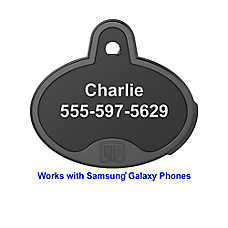
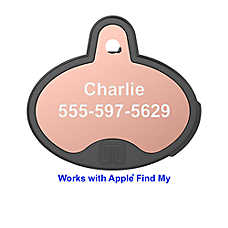
GPS dog collars use satellite technology to track your dog's location in real time. These smart devices attach to your dog's collar and connect to your smartphone through an app. You can see where your dog is at any moment, which is especially helpful if they tend to wander or slip out of the yard.
Most GPS collars work by using cellular networks or satellite signals to pinpoint your dog's location. The tracking device sends updates to your phone, showing you a map with your dog's exact position. Some collars update every few seconds, while others refresh every minute or so.
These collars are different from microchips. A microchip only works when someone scans it at a vet or shelter. A GPS collar actively tracks your dog's movements, giving you real-time information you can access from anywhere.
Key benefits of GPS dog collars
GPS collars offer several advantages that help keep your dog safe and give you valuable information about their daily habits.
Real-time location tracking
The main benefit of a GPS collar is knowing where your dog is at all times. If your pup escapes through an open gate or gets startled and runs off during a walk, you can immediately see their location on your phone. This quick access can make the difference between finding your dog quickly and spending hours searching the neighborhood.
Many GPS collars also let you set up virtual boundaries called geofences. You'll get an alert on your phone if your dog leaves the designated area. This feature is helpful for dogs who like to explore beyond the yard or for when you're visiting a new place with your pet.
Activity and health monitoring
Beyond location tracking, some GPS collars monitor your dog's activity levels. They track how much your dog walks, runs, and rests throughout the day. This information helps you ensure your dog is getting enough exercise and can alert you to changes in behavior that might indicate health issues.
If your normally active dog suddenly becomes less mobile, the collar's activity data can help you spot the change early. You can share this information with your veterinarian to help identify potential health concerns. Some collars even track sleep patterns, giving you a complete picture of your dog's daily routine.
How do dog cameras work?
Dog cameras let you see what your pet is doing when you're not home. These devices stream live video to your smartphone, so you can check in on your dog during the day. Some cameras include features like two-way audio, treat dispensers, and night vision.
Pet cameras come in different styles. Some are designed to sit on a shelf or table, while others mount on walls. Many include motion detection that sends alerts to your phone when your dog moves around. This feature helps you know when your pup is active or if something unusual is happening at home.
Interactive dog camera features
Two-way audio lets you talk to your dog through the camera's speaker. Your dog can hear your voice, which may help calm them if they seem anxious. Some dogs respond well to hearing their pet parent's voice, especially during stressful situations like thunderstorms or fireworks.
Treat-dispensing cameras add an extra level of interaction. You can press a button on your phone to release a dog treat from the camera. This feature is useful for positive reinforcement during dog training or simply to give your dog a surprise reward during the day.
Choosing between GPS collars and cameras
Both GPS collars and cameras serve different purposes, and many pet parents find that using both offers the most comprehensive monitoring. GPS collars focus on location tracking and outdoor safety, while cameras provide visual monitoring of what's happening inside your home.
Consider your dog's personality and your specific concerns when deciding which device fits your needs:
- Dogs who spend time outdoors or have a history of escaping benefit most from GPS collars
- Indoor dogs or those with separation anxiety may do better with a camera that lets you see and talk to them
- Active dogs who need exercise tracking can benefit from GPS collars with activity monitoring features
- Dogs who are crate trained or spend time in a specific room work well with stationary cameras
Setting up your device
Most GPS collars and cameras are straightforward to set up. GPS collars typically require you to download an app, create an account, and pair the collar with your phone via Bluetooth. You'll need to charge the collar regularly, usually every few days to a week depending on the model.
Cameras need a Wi-Fi connection to stream video to your phone. Place the camera where it has a clear view of the areas where your dog spends the most time. Make sure the device is positioned securely and out of reach if your dog is curious or likes to chew on things.
Test both devices before relying on them completely. Walk around your property with the GPS collar to ensure you're getting accurate location updates. Check the camera's video quality and audio clarity so you know what to expect when monitoring from afar.
Subscription costs and considerations
Many GPS collars require monthly or annual subscription fees to access tracking features. These fees cover the cellular or satellite service that transmits your dog's location data. Prices vary depending on the service and features included, so factor this ongoing cost into your decision.
Some cameras work without subscriptions, offering basic live video streaming. Premium features like video recording, longer video history, and advanced alerts may require a paid plan. Compare what's included in the base price versus subscription features to find the best value for your needs.
Additional safety tips
While GPS collars and cameras are valuable tools, they work best as part of a comprehensive approach to pet safety. Make sure your dog always wears a collar with ID tags that include your current contact information. Keep your dog's microchip registration up to date with your current address and phone number.
Secure your yard with proper fencing and regularly check for escape routes. Even with a GPS collar, preventing escapes is always better than having to track down a runaway dog. Combine technology with good habits like leash training and recall commands to keep your dog safe.
FAQs
Do GPS dog collars work everywhere?
GPS collars work best in areas with good cellular or satellite coverage. Urban and suburban areas typically have excellent coverage, while remote rural locations may have limited connectivity. Check with the manufacturer about coverage in your specific area before purchasing.
How long do GPS collar batteries last?
Battery life varies by model and usage. Most GPS collars need charging every two to seven days. Collars that update location more frequently drain batteries faster. Some models offer power-saving modes that extend battery life when you're not actively tracking.
Can I use a dog camera at night?
Many dog cameras include night vision or infrared capabilities that let you see your pet in low-light conditions. Check the product specifications to confirm this feature if you need to monitor your dog during evening hours.
Are GPS collars safe for all dog sizes?
GPS collars come in different sizes and weights. Make sure to choose a collar that's appropriate for your dog's size. Small dogs need lightweight models, while larger dogs can wear heavier tracking devices. Check the manufacturer's recommendations for minimum weight requirements.
Will my dog notice a camera watching them?
Most dogs don't react to cameras after the initial installation. Some dogs may notice movement or sounds from the device at first. Position the camera in a spot where your dog already feels comfortable, and they'll likely ignore it after a short adjustment period.
Information in this article is not intended to diagnose, treat or cure your pet and is not a substitute for veterinary care provided by a licensed veterinarian. For any medical or health-related advice concerning the care and treatment of your pet, contact your veterinarian.