How to Enrich Your Dog Indoors
In this Article
- Why indoor enrichment matters for dogs
- Use puzzle toys and interactive feeders
- Try scent work and nose games
- Practice training sessions and brain games
- Keep your dog moving with indoor exercise
- Offer long-lasting chews for calm engagement
- Simple DIY enrichment activities
- Signs your dog needs more enrichment
- Frequently asked questions
- Keeping your dog happy indoors
Extreme weather can make outdoor adventures with your dog more challenging. Rain, freezing temperatures, extreme heat, and icy conditions often mean less time outside. While a quick potty break may still be manageable, long walks and energetic play sessions can be much harder to fit in.
But your dog's need for activity and engagement doesn't disappear when the weather keeps you inside. Without proper outlets for energy and curiosity, dogs can develop boredom-related behaviors like excessive barking, destructive chewing, or restlessness.
The good news is that indoor enrichment can keep your dog mentally and physically satisfied. With the right activities and approach, indoor days become opportunities for fun, bonding, and learning.
Why indoor enrichment matters for dogs
Dogs need both physical exercise and mental stimulation for dogs to stay happy and healthy. Enrichment provides opportunities for your dog to use their natural abilities like sniffing, problem-solving, and exploring. When outdoor time is limited, indoor activities become essential.
Enrichment enhances your dog's environment to meet their behavioral and psychological needs. It's not just about keeping them busy. It's about giving them ways to engage their minds and express natural behaviors.
Reduces unwanted behaviors: Behavioral problems often develop when dogs lack adequate mental and physical stimulation. A bored dog may chew furniture, bark excessively, or pace. Enrichment activities provide appropriate outlets for energy.
Supports emotional well-being: Mental activity reduces stress and anxiety. Enrichment helps dogs feel accomplished and confident, especially helpful for anxious or fearful dogs.
Strengthens your bond: Interactive games and training sessions are quality time together. Your dog learns to look to you for fun and guidance, deepening your relationship.
Tires them out: Mental work can be just as exhausting as physical exercise. Problem-solving and learning burn energy and leave your dog pleasantly satisfied.
Use puzzle toys and interactive feeders
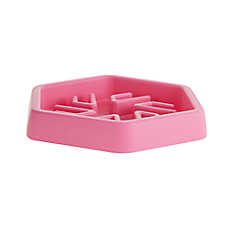
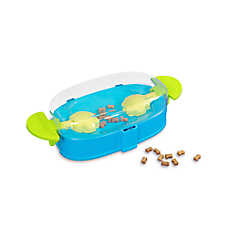
Puzzle feeders and interactive dog toys challenge your dog to think and problem-solve. These tools provide cognitive enrichment that satisfies your dog's natural curiosity and desire to work for rewards.
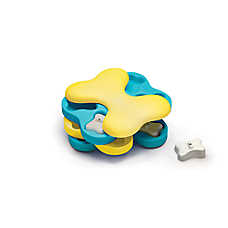
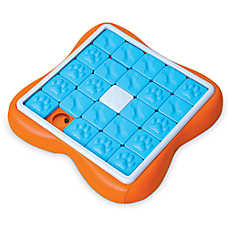
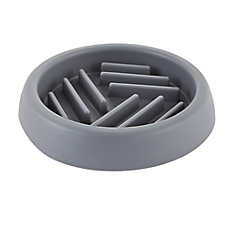
Puzzle feeders: These toys require your dog to slide, lift, or spin pieces to access hidden food. Start with easier puzzles and gradually increase difficulty as your dog learns. You can use puzzle feeders for regular meals, turning eating into an engaging activity.
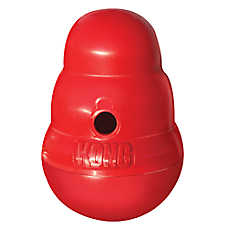
Treat-dispensing toys: Toys that release dog treats as your dog plays with them provide both physical and mental engagement. Fill them with kibble or small training treats for extended entertainment.
Start simple: Choose puzzles appropriate for your dog's experience level. If a toy is too difficult, your dog may become frustrated. Watch their response and adjust the challenge level to keep it fun.
Rotate toys every few days to maintain interest. What seems boring today might be exciting again next week.
Try scent work and nose games
Dogs experience the world primarily through their noses. Scent-based activities tap into this powerful sense and provide deep mental satisfaction. Using your dog's nose is both stimulating and calming.
Hide and seek with treats: Hide small treats around a room and encourage your dog to find them. Start easy with visible treats, then make hiding spots more challenging as your dog improves.
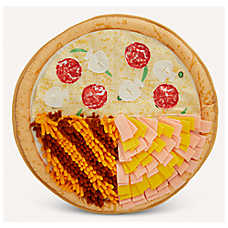
Snuffle mats: These textured mats hide treats within fabric strips, mimicking the experience of foraging. They're excellent for slowing down fast eaters while providing enrichment.
Muffin tin game: Place treats in some cups of a muffin tin and cover all cups with tennis balls. Your dog must remove the balls to find the treats. This simple DIY puzzle uses items you likely already have.
Find the toy: Hide your dog's favorite toy somewhere in the house and ask them to find it. This combines physical activity with mental challenge and uses their natural tracking instincts.
Practice training sessions and brain games
Training provides excellent mental stimulation. Teaching your dog new skills or reinforcing existing ones engages their brain, builds confidence, and strengthens communication between you.
Teach new tricks: Work on fun commands like "spin," "touch," or "place." Even simple tricks like "shake" or "play dead" provide mental exercise. Keep sessions short (5-10 minutes) and always end on a positive note.
Practice impulse control: Games like "wait" before meals or "leave it" with treats on the floor build self-control. These mentally demanding skills are useful in everyday life.
Play the shell game: Hide a treat under one of three cups and let your dog find it. This classic game encourages problem-solving and focus without requiring any special equipment.
Teach toy names: Dogs can learn to recognize toys by name. Start with one or two favorites, then ask your dog to bring you a specific toy. This cognitive challenge keeps their mind active.
Keep your dog moving with indoor exercise
While mental stimulation is crucial, your dog still needs physical activity. These indoor activities for dogs help burn energy when exercise is limited outdoors.
Indoor fetch or tug: A hallway works well for gentle fetch games. Use soft toys to avoid damage to walls or furniture. Tug of war provides physical exercise and bonding time. Use a designated tug toy and teach your dog to release on command.
Stair exercises: If you have stairs, play fetch or ask your dog to go up and down a few times. This provides a good workout in a small space. Always supervise and stop if your dog seems tired.
Indoor obstacle course: Set up pillows to jump over, chairs to weave through, or tunnels to crawl under. Change the course regularly to keep it interesting and mentally engaging.
Offer long-lasting chews for calm engagement
Sometimes the best enrichment is quiet, focused chewing. Dog chews provide mental satisfaction, dental benefits, and help dogs self-soothe. Chewing is a natural behavior that many dogs find calming.
Natural chews: Options like bully sticks keep dogs occupied for extended periods. They're high in protein and satisfy the urge to chew. Choose size-appropriate options for your dog.
Dental chews: Chews designed for dental health clean teeth while providing entertainment. They serve multiple purposes, supporting both mental enrichment and oral hygiene.
Frozen treats: Fill a toy with peanut butter or wet dog food and freeze it. This creates a longer-lasting challenge that keeps dogs busy and provides a refreshing treat. Always supervise your dog with chews and remove any pieces that become small enough to swallow whole.
Simple DIY enrichment activities
You don't need expensive toys to keep your dog entertained. These dog enrichment ideas use household items you likely already have.
Towel roll: Place treats inside a rolled-up towel. Your dog must unroll it to access the rewards. This simple activity mimics foraging behaviors.
Cardboard box surprise: Put treats in a cardboard box (remove tape and staples first) and let your dog shred it to find the goodies. Supervise to prevent eating cardboard.
Toilet paper roll puzzle: Hide treats in empty toilet paper rolls, fold the ends, and let your dog figure out how to get them. This quick DIY puzzle costs nothing.
Ice cube fun: Freeze small treats in ice cubes. Your dog gets a refreshing challenge as the ice melts. This works especially well on warmer winter days indoors.
Signs your dog needs more enrichment
Watch for these behaviors that might indicate your dog needs more mental and physical stimulation:
- Destructive chewing on furniture or belongings
- Excessive barking or whining
- Pacing or restlessness
- Attention-seeking behaviors
- Difficulty settling down
- Over-excitement when you return home
If you notice these signs, increase enrichment activities gradually. Start with 10-15 minute sessions several times daily. If behaviors persist despite increased enrichment, consult your veterinarian to rule out medical issues or discuss behavioral support options.
Frequently asked questions
How much indoor enrichment does my dog need daily?
This varies by breed, age, and individual personality. Most dogs benefit from at least 20-30 minutes of mental stimulation daily, broken into shorter sessions. High-energy breeds may need more. Combine mental activities with physical exercise for best results.
Can indoor activities replace outdoor walks?
Indoor enrichment is valuable but shouldn't completely replace outdoor time. Dogs benefit from fresh air, natural scents, and different environments. On extremely cold days, combine shorter outdoor potty breaks with increased indoor activities.
My dog loses interest in toys quickly. What should I do?
Rotate toys to keep them novel. Put some away for a week or two, then reintroduce them. You can also make toys more interesting by adding treats, changing how you play with them, or using them in new locations.
Are puzzle feeders suitable for all dogs?
Most dogs can use puzzle feeders, but start with easier options for beginners. Some dogs may become frustrated with difficult puzzles initially. Watch your dog's response and choose an appropriate difficulty level. The goal is to challenge them without causing stress.
How do I know if an enrichment activity is too difficult?
If your dog gives up quickly, shows signs of stress (panting, pacing, whining), or becomes frustrated, the activity may be too challenging. Make it easier or provide gentle guidance to help them succeed. Build confidence gradually.
Should I use enrichment activities if my dog has separation anxiety?
Enrichment can be helpful as part of a comprehensive approach, especially puzzle toys or frozen treats given when you leave. However, separation anxiety often requires professional guidance. Consult your veterinarian or a certified professional trainer for support.
Keeping your dog happy indoors
Periods of extreme heat, freezing temperatures, heavy rain, or icy conditions can make outdoor play and long walks less practical. During times like these, indoor activities can help ensure your dog still gets the mental and physical stimulation they need.
Start with activities your dog already enjoys and gradually introduce new challenges. Pay attention to what excites them most and build from there. Some dogs love puzzle toys, while others prefer training games or scent work.
Remember, enrichment isn't just about keeping your dog busy. It's about giving them opportunities to use their natural abilities, build confidence, and strengthen your bond. Those winter days indoors can become valuable time together.
Need other supplies while you're shopping for indoor dog enrichment? PetSmart also carries dog food, dog beds, dog treats, leashes & harnesses, flea & tick meds and more. Explore PetSmart’s Dog Shop to find everything your pup needs, all in one place.
PetSmart also offers services such as dog grooming services, expert dog training, safe and comfortable PetsHotel stays, and Doggie Day Camp for your pup to play and socialize. Services are available in select locations—check your local PetSmart to see what’s offered near you.
PetSmart offers convenient shopping with Curbside Pickup or in-store pickup. Need something today? We have select items available for Same-Day Delivery in most areas powered by DoorDash. For items you purchase frequently, PetSmart has Autoship that automatically delivers the items you want to your door as often as you’d like. Check the website to see which items are eligible.
Information in this article is not intended to diagnose, treat or cure your pet and is not a substitute for veterinary care provided by a licensed veterinarian. For any medical or health-related advice concerning the care and treatment of your pet, contact your veterinarian.
In this Article
- Why indoor enrichment matters for dogs
- Use puzzle toys and interactive feeders
- Try scent work and nose games
- Practice training sessions and brain games
- Keep your dog moving with indoor exercise
- Offer long-lasting chews for calm engagement
- Simple DIY enrichment activities
- Signs your dog needs more enrichment
- Frequently asked questions
- Keeping your dog happy indoors