
Tips for Cutting Dog Nails: How to Trim Them Safely
In this Article
Regular nail trimming is an essential part of canine health and comfort. Overgrown nails can cause pain, alter posture and gait, and contribute to joint stress or injury. Veterinary research shows that many dogs experience discomfort or mobility issues when nails are not maintained properly, making routine trimming an important preventive care practice.
Understanding nail anatomy, using the right tools, and following safe trimming techniques can help pet parents groom their dogs confidently while minimizing stress and injury risk.
Introduction to dog nail trimming
Your dog’s nails grow throughout their life. Daily walks and play may help wear them down, but that is often not enough. If nails grow too long, they can:
- Press into the ground and make standing or walking uncomfortable
- Change posture and gait over time
- Catch on surfaces and break or tear
Building a regular dog nail trimming routine helps your dog stay comfortable and makes nail care easier in the long run. It also helps your dog get used to having their paws handled, which is useful for grooming and vet visits.
Choosing the right dog nail trimmer
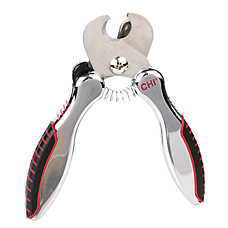
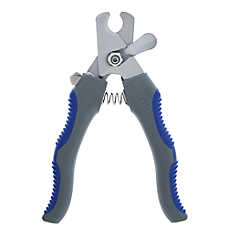
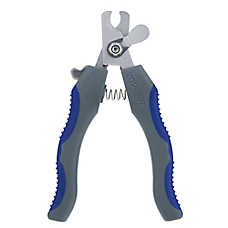
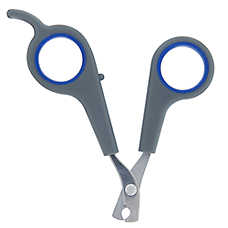
Dog nail trimmers come in several designs, each intended to improve safety and precision. The right trimmer provides visibility and control while reducing the likelihood of cutting too deeply into the nail. Tools that improve visibility and limit cutting depth are especially helpful for beginners or dogs with light-colored nails.
Types of dog nail trimmers
Dog nail trimmers come in a few main styles:
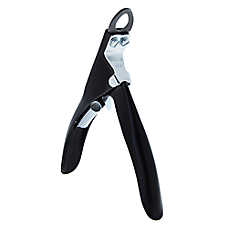
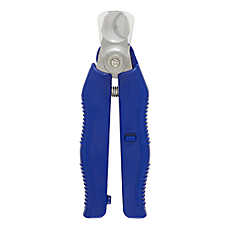
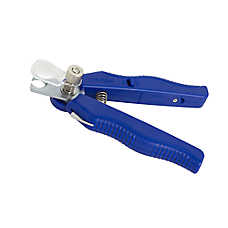
- Scissor-style clippers work like small scissors and give you good control over cut angle, making them a popular choice for larger dogs with thicker nails.
- Guillotine-style clippers have a hole where you insert the nail before cutting, which can be easier to position precisely, though the blade needs replacing over time.
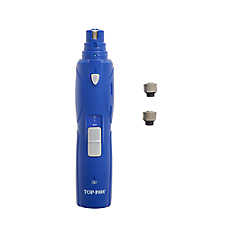
- Grinders use a rotating tip to gradually file the nail down, which reduces the risk of cutting too deep, but the noise and vibration can be stressful for some dogs.
Your choice may depend on your dog's nail size, temperament, and how comfortable you are with each tool.
Benefits of using the right nail trimmer
Choosing the right grooming tool can significantly impact safety and confidence during nail trimming. Veterinary grooming guidance emphasizes that controlled, gradual trimming is safer than attempting to remove large portions of the nail at once. Benefits of using the right dog nail trimmer include:
- Safety guard: Helps protect the quick from accidental cuts
- Improved visibility: Makes it easier to identify safe trimming areas
- User-friendly design: Suitable for pet owners with limited grooming experience
Using a well-designed tool encourages careful trimming and reduces stress for both dogs and owners.
What Is the quick and why is it important?
Each dog’s nail contains internal structures that are sensitive and highly vascular. Cutting too deeply into the nail can cause pain and bleeding, which may create fear or resistance during future grooming sessions.
The role of the quick
The quick is a bundle of blood vessels and nerves that extends through the center of the nail. It is more visible in light-colored nails but harder to see in dark nails, which increases the risk of accidental cuts. Key characteristics of the quick include:
- It supplies blood and sensation to the nail
- It grows longer when nails are not trimmed regularly
- It recedes gradually when nails are trimmed consistently
Keeping nails at an appropriate length helps maintain a shorter, safer quick.
Why avoid cutting the quick?
Accidentally cutting into the quick can cause sharp pain and bleeding. This can make your dog fearful of future nail trims. Risks of cutting the quick include:
- Acute pain and bleeding
- Increased anxiety during grooming
- Higher likelihood of future resistance to nail trimming
Trimming small amounts more often is safer than trying to take off a large piece of nail at once.
How to safely trim your dog’s nails
Safe nail trimming involves preparation, patience, and technique. Veterinary grooming recommendations emphasize trimming small amounts at a time and observing the nail structure closely. Calm handling and positive reinforcement help reduce stress and make grooming a positive experience.
Step-by-step guide
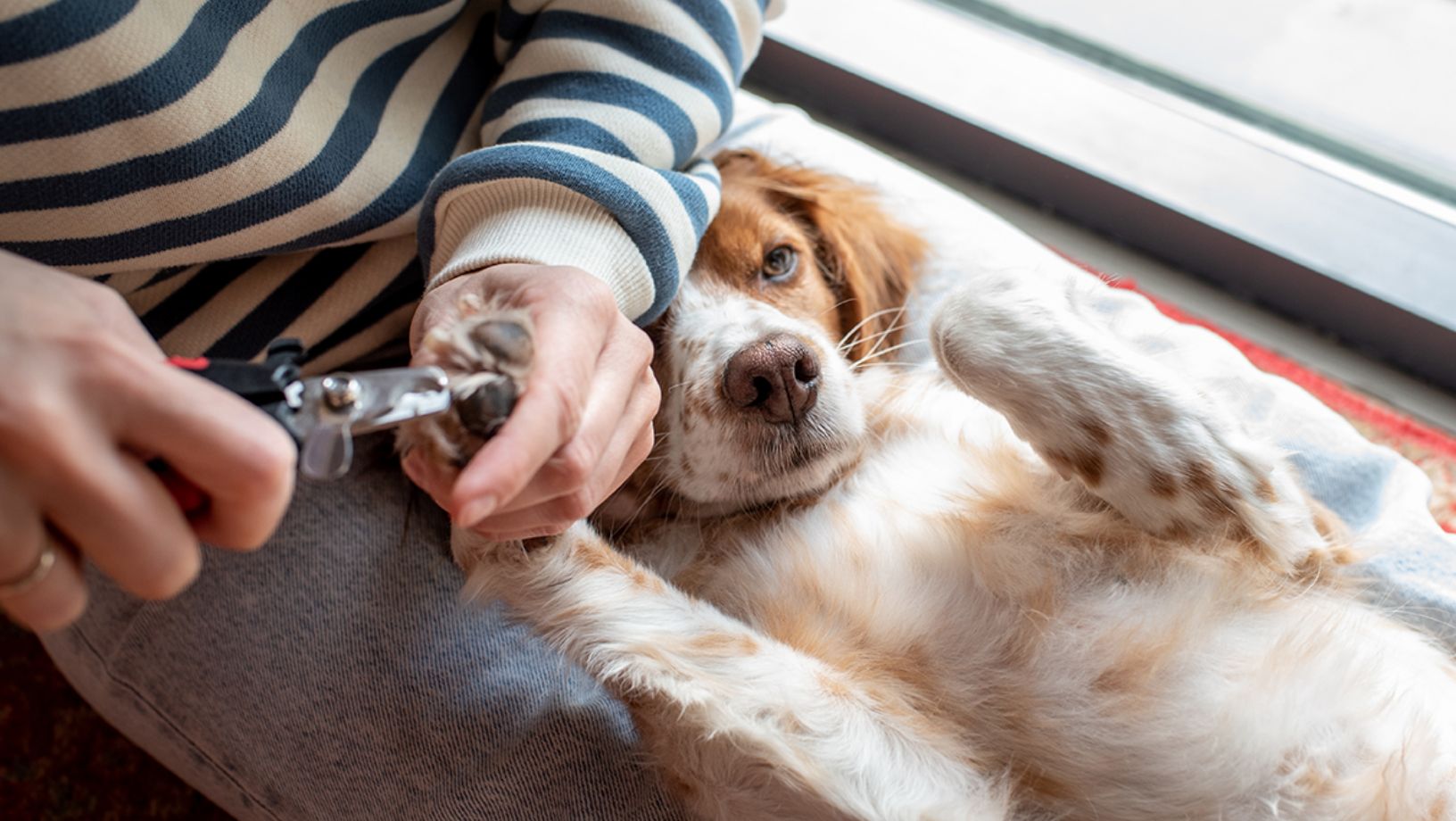
Following a structured approach helps minimize mistakes and improve outcomes. Steps for safe nail trimming include:
- Get your tools ready: Have your dog nail trimmer, styptic powder, and some treats nearby.
- Inspect the nails: Look for the curve at the tip. In light nails you may see the pink quick inside.
- Position the trimmer: Place the nail into the nail trimmer with the cutting edge facing the tip of the nail.
- Use the guard: Let the safety guard help limit how much you cut at one time.
- Trim small amounts: Clip a tiny slice from the end of the nail. You can always trim more if needed.
- Check as you go: After each small cut, look at the nail again before trimming further.
- Reward your dog: Offer praise and treats during and after each paw to build a positive association.
Frequent, small trims are safer than infrequent, large cuts.
What to do if you hit the quick
Even experienced groomers occasionally cut the quick. If you do cut into the quick, it’s important to stay calm and respond quickly to help minimize discomfort and prevent further injury. Dogs often react more to their owner’s emotional response than the physical sensation itself.
Managing bleeding and pain
If the quick is cut, prompt action can stop bleeding and reduce stress. Recommended steps include:
- Applying gentle pressure with a clean cloth or gauze
- Using a styptic powder or pencil to stop bleeding
- Keeping your dog calm and still
Most minor nail injuries heal quickly with proper care.
Tips for quick recovery
After an accidental cut, monitoring the nail helps prevent complications. Veterinary preventive care emphasizes cleanliness and observation during healing. After the bleeding has stopped:
- Avoid trimming that specific nail again for several days
- Watch for swelling, redness, or discharge around the nail
- Contact your veterinarian if bleeding does not stop or if you see signs of infection
Good first aid and monitoring help minor nail injuries heal without complications.
Additional tips for stress-free pet grooming
Successful grooming is not only about technique but also about environment and routine. Veterinary behavior research shows that dogs are more cooperative when grooming is predictable, calm, and rewarding.
Regular nail maintenance
Frequent trimming helps keep nails short and prevents the quick from growing too long. Over time, consistent trimming makes the process easier and safer. Benefits of regular maintenance include:
- Shorter quick length
- Reduced risk of painful cuts
- Improved comfort and mobility
Create a Calm Environment
Dogs are sensitive to their surroundings during grooming. A calm environment reduces anxiety and improves cooperation. Helpful strategies include:
- Using gentle handling and reassuring tones
- Trimming nails in a quiet, familiar space
- Taking breaks if your dog becomes stressed
When to seek professional help
Some dogs may require professional grooming or veterinary assistance, especially if they have severe anxiety, medical conditions, or very dark nails. Consider professional help if:
- Your dog resists strongly or becomes aggressive
- You are unsure how much nail to trim
- Your dog has medical or orthopedic issues
Professional groomers and veterinarians can safely manage complex cases.
Frequently Asked Questions (FAQs)
How often should I trim my dog’s nails?
Most dogs need nail trims every 3–6 weeks, depending on growth rate and activity level. Dogs that walk on hard surfaces may naturally wear down nails, while others require more frequent trimming.
How can I tell if my dog’s nails are too long?
Signs of overgrown nails include clicking sounds on hard floors, visible curvature of the nails, and changes in posture or gait. Long nails can also cause discomfort or joint strain.
What if my dog is afraid of nail trimming?
Fear of nail trimming is common. Veterinary behavior experts recommend gradual desensitization, positive reinforcement, and short grooming sessions to build confidence over time.
Can long nails affect my dog’s health?
Yes. Overgrown nails can cause pain, alter movement, and increase the risk of injury. Chronic nail overgrowth may also contribute to joint and posture problems.
Are nail trimmers safe for dogs?
When used correctly, dog nail trimmers are safe. Using tools with safety features, trimming small amounts, and understanding nail anatomy significantly reduce the risk of injury.
When should I consult a veterinarian about nail issues?
You should consult a veterinarian if your dog’s nails break frequently, bleed excessively, show signs of infection, or if your dog experiences persistent pain during trimming.
Information in this article is not intended to diagnose, treat or cure your pet and is not a substitute for veterinary care provided by a licensed veterinarian. For any medical or health-related advice concerning the care and treatment of your pet, contact your veterinarian.