
Buckle Your Pup Up With Dog Seat Belts
In this Article
With their ears flapping in the breeze and tail wagging like crazy, the simplest car trip can be a joy ride for any dog. But just like you buckle up for safety, your furry co-pilot needs protection too. Whether you’re taking a quick trip to the park or heading on a cross-country adventure, making sure your dog is properly secured is the key to a safe and fun-filled drive. This guide offers a quick look at how dog seat belts work, what to look for when choosing seat belts and how to use them the right way.
Why dog seat belts matter
Dogs love to move around, but a loose pup in the car can be risky. They could get hurt, distract the driver or even accidentally step on the gas. Here’s how seatbelts can help you travel safely with your dog:
- Prevent injury. In a sudden stop or crash, an unrestrained dog can be thrown forward with great force, potentially hitting the dashboard, windshield or even another passenger. A dog seat belt keeps them securely in place, reducing the risk of injury by preventing them from being tossed around inside the car.
- Reduce driver distractions. A bouncing, excited pup might be adorable, but it’s not great when you’re trying to drive, especially if they’re trying to climb into your lap or nudge your arm for attention. A dog seat belt ensures your pup stays put, allowing you to focus on the road and avoid unexpected movement inside the car that could lead to an accident.
- Follows safety recommendations. Some areas require dogs to be restrained in vehicles, and failing to do so could result in fines or legal consequences. Even if it’s not the law where you live, using a dog seat belt is a responsible choice that prioritizes the safety of both your pet and everyone else in the vehicle and on the road.
How dog seat belts work
A dog seat belt usually consists of a dog harness and a tether that attaches to the car’s seatbelt system. This combination helps keep your pup safe by securing them in place while allowing limited movement for comfort. Here’s how it works:
- Harness-based restraint. Unlike a dog collar, which puts pressure on the neck and can cause injury in a sudden stop, a dog harness distributes force more evenly across your dog’s chest and torso. This design reduces the risk of choking, damaging the trachea or straining the neck, and while keeping your dog comfortably restrained in the event of a sudden brake or collision.
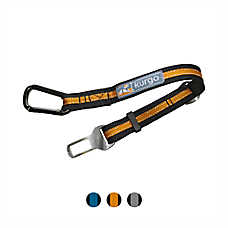
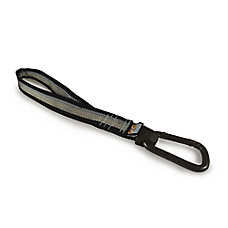
- Tether attachment. A short leash-like strap connects the harness to a secure point in the car, such as the seatbelt buckle, headrest or LATCH anchors used for child car seats. This tether keeps your dog from roaming freely in the vehicle, preventing distractions while still allowing them enough space to sit, lie down or shift positions slightly without becoming tangled or uncomfortable.
- Shock-absorbing features. Some high-quality dog seat belts use bungee-style tethers that stretch slightly to absorb the impact of sudden braking or sharp turns. This added flexibility helps reduce the jarring effect of a quick stop, making the ride smoother and safer for your pup while minimizing stress on their body.
Types of dog seat belts
Not all dog seat belts offer the same benefits or comfort level. Choosing the right one depends on your car, your dog’s size and how much movement you want to allow. The most common types include:
- Clip-in seatbelt tethers. These attach directly to the seat belt buckle, making them one of the easiest and most convenient dog seat belt options. However, not all seat belt buckles are universal, so you’ll need to check compatibility with your car before purchasing one to avoid surprises.
- LATCH bar tethers. These hook onto the lower anchors used for child car seats, providing extra security since they don’t rely on the seat belt mechanism itself. They’re a great option for pet owners who want a more stable connection and less risk of accidental unbuckling, which can happen with traditional clip-in tethers.
- Zipline-style restraints. This restraint involves a leash that runs across the backseat, which attaches to your dog’s dog harness and gives them a little room to move while keeping them restrained. This type of dog seat belt is perfect for pups who like to shift positions but still need to stay safely in place, though it may not provide as much crash protection as other options.
- Crash-tested harnesses with built-in tethers. These offer the highest level of safety and usually feature padded chest plates for extra comfort and impact absorption. Because they are designed and tested specifically for crash protection, they are one of the best choices for pet owners who want the most reliable safety solution when traveling with their dog.
How to choose the best dog seat belt
With so many options, how do you pick the best dog seat belt? The right choice should keep your pup safe, secure and comfortable while making your life easier.
- Look for crash-tested certification. Some dog seat belts have undergone actual crash tests to ensure they provide real protection in the event of an accident. Choosing a crash-tested model gives you peace of mind knowing that your pup has the best possible safety gear.
- Check for durability. A good dog seat belt should be made from strong, high-quality materials like heavy-duty nylon, reinforced stitching and sturdy metal buckles or clips. Cheap plastic or weak fabric can wear out quickly or even break under pressure, so investing in a well-made option is essential for long-term safety.
- Make sure it’s compatible. Not all dog seat belts fit every car, as different vehicles have different seat belt buckles or headrest designs. Before purchasing, double-check that the seat belt tether you choose is designed to work with your specific car model to avoid frustrating returns or modifications.
- Find a comfy fit. Your pup should be able to sit, lie down or shift positions slightly without feeling too restricted. However, the seat belt shouldn’t be too loose either, as too much slack could put your dog at risk if you stop suddenly.
- Choose one that’s easy to use. A dog seat belt that’s complicated to attach and adjust can quickly become a hassle, making you less likely to use it consistently. Look for a design with quick-release buckles and adjustable straps so securing your dog is fast, simple and stress-free.
Tips for using a dog seat belt
Once you have chosen a dog seat belt, using it correctly is key. Follow these simple steps:
- Introduce it slowly. Let your pup wear the dog harness around the house before using it in the car.
- Adjust for a snug fit. The harness should be snug but not too tight – aim for two fingers of space between the straps and your dog’s body.
- Keep them in the back seat. Airbags can be dangerous for dogs, so always secure them in the back.
- Start with short rides. Get your dog used to their dog seat belt with quick trips before taking longer drives.
- Check for wear and tear. Inspect the harness and tether regularly for signs of damage.
Alternatives to dog seat belts
If a dog seat belt doesn’t work for your pup, another form of restraint might work.
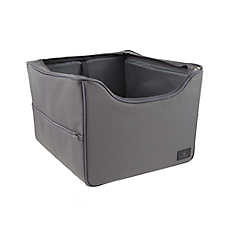
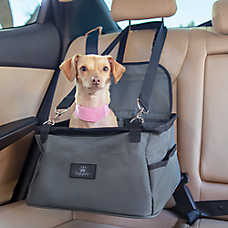
- Dog car seats: These are great for smaller dogs and often include built-in dog harness attachments to keep your pup securely in place. Many dog car seats are elevated, allowing your dog to enjoy the view out the window while staying safe, which can reduce anxiety and motion sickness on car rides.
- Crash-tested travel crates. A sturdy crate secured in the car is one of the safest ways to transport a dog, especially for longer trips or for dogs who feel more comfortable in an enclosed space. Be sure to choose a crash-tested model and properly secure it with straps or tie-downs to prevent it from shifting during sudden stops.
FAQs
Are dog seat belts legally required?
Laws vary by location, but some areas do require dogs to be restrained in vehicles. Even if it’s not the law, using a dog seat belt is always a smart choice.
Can I use a regular harness with a dog seat belt?
Not all dog harnesses are crash-tested, so it’s best to use one designed specifically for car safety.
Do dog seat belts work for all dog sizes?
Yes! Just make sure to choose a dog seat belt that’s the right size and weight rating for your pup.
Can a dog still move around while wearing a seatbelt?
A good dog seat belt allows limited movement – enough for comfort, but not enough for unsafe roaming.
Are dog seat belts safe for a new puppy?
Yes! Seat belts are a great idea when you’re bringing home a new dog. Just be sure to use an adjustable dog seat belt and harness that fits properly. Puppies tend to be wiggly, so it’s important to get the sizing right.
Information in this article is not intended to diagnose, treat or cure your pet and is not a substitute for veterinary care provided by a licensed veterinarian. For any medical or health-related advice concerning the care and treatment of your pet, contact your veterinarian.