Get to Know Your Pup With a Dog DNA Test

In this Article
Whether you’re bringing home a new dog or you’ve been living with your pup for years, a dog DNA test is a fascinating way to learn more about your beloved canine companion. With just a little swab of your pup’s saliva, you can get a genetic breakdown that reveals your dog’s family tree.
For curious pet parents, a dog DNA test is a fun and easy way to learn more about your pup’s breed and background, hidden traits, and even potential health risks. Because they are a recent development, lots of dog lovers have questions about how dog genetic testing works, how accurate it is, and whether it’s worth the cost.
Here’s some information to help you decide whether a dog DNA test is right for you and your pup.
What is a dog DNA test, exactly?
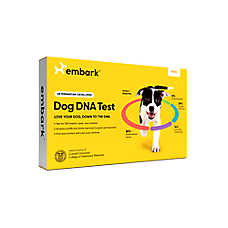
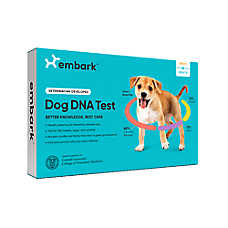
A dog DNA test is a service offered by a genetic testing company. When you sign up, you’ll get a dog DNA test kit with a swab you can use to get a sample of your dog’s saliva, which you’ll drop into a container and mail off. Back at the lab, scientists extract your dog’s DNA from the sample and compare the results to a database of dog breeds. Depending on the type of test you use, you can learn more about your dog’s breed mix, possible health risks, and even fun traits like why they have a curly tail or floppy ears.
Dog DNA tests are especially popular for pet parents who’ve adopted pups from shelters and have no knowledge of their background or lineage. For these dog lovers, DNA tests can reveal exactly what mix of breeds their pup is, help to understand quirks and behavior, and identify possible health risks to watch out for.
What you can learn from a dog DNA test
Depending on the test you use, you can learn a variety of things about your furry companion.
- Breed mix: A dog breed test can reveal the various breeds in your pup’s family tree. Even if your dog’s a mix of many breeds, a dog breed test kit can deliver a detailed report of their genetic ancestry with a breakdown of the percentages of each breed.
- Traits and quirks: DNA tests can unlock fun facts about your dog’s physical traits that are connected to their breed history.
- Health risks: Some dog DNA tests also check for genetic markers related to health conditions. A positive marker for conditions like hip dysplasia or eye diseases doesn’t guarantee that your dog will develop an issue, only that your pup may be more prone to these conditions.
- Behavioral tendencies: Learning about your dog’s breed mix can help you understand the secrets of a puppy’s behavior or get a clue as to why your dog acts a certain way. For example, herding breeds like border collies tend to be smart and energetic, and they love having a job to do. Understanding these tendencies can help you provide your dog with the right kind of mental stimulation and determine how much exercise your dog needs.
More about health benefits
When it comes to keeping your dog healthy, knowledge is an advantage. A dog DNA test can reveal any genetic predispositions for health risks your pup may have. These are conditions that often affect dogs of certain breeds. With this information, you can take steps to anticipate and prevent potential health risks.
For example, if your dog has a high likelihood of developing hip dysplasia, you might support your dog's hip and joint health by adopting preventative measures to manage your dog’s weight or start dog joint supplements early. Some tests also detect sensitivities to medications or allergens that could save you a lot of trouble and cost down the road.
Types of dog DNA tests
There are several different kinds of dog DNA tests you can choose from.
- Basic breed tests: These are budget-friendly options focused on identifying your dog’s breed mix. If you’re only curious about whether your dog is part boxer or beagle, this is the test for you.
- Health-focused tests: These tests analyze your dog’s DNA to search for genetic health risks along with breed identification. It’s a great option when you want the full picture of your dog’s potential health future.
- Comprehensive tests: When you want all the information you can get – breed, health risks, ancestry mapping, and quirky traits – go for the all-inclusive test. These are pricier options, but they offer the most insight into your canine companion.
Accuracy of dog DNA tests
Unlike human DNA testing, dog DNA tests aren’t regulated, and the accuracy of testing is not independently determined. That means you have to trust the claims of companies that sell DNA tests, and there’s room for error and bias on the part of these firms. Dog DNA tests may be quite accurate – there’s just not much data yet. For example, breed identification tests are only as precise as the database used for comparison, and some tests may not capture rare or ancient breeds as effectively. Companies with a larger database of tested pet DNA are likely to have a higher chance of accuracy.
When it comes to health risks, it’s important to be cautious about interpreting the results. Just testing positive for a health risk doesn’t mean that your dog will ever develop the disease or condition. It just means that one or more of the breeds that make up your dog’s DNA are prone to that condition.
FAQs
Can a DNA test tell a dog’s breed?
Yes! Dog DNA tests can give you a detailed breakdown of your dog’s breed mix. If your dog’s a mix of multiple breeds, you’ll see percentages for each one, sometimes tracing back several generations.
How much does it cost to get a DNA test for a dog?
Dog DNA tests range from about $60 for basic breed identification to over $300 for more detailed tests that include health screening and ancestry reports. It’s an investment, but many pet parents find it worth the price for the insights they gain.
Are dog DNA tests accurate?
They’re generally quite accurate, especially for common breeds. However, no test is 100% perfect, and some rare breeds may not be as precisely identified. The more advanced the test, the more accurate the results tend to be.
How do you do a dog DNA test?
Most tests are easy to use. You’ll swab the inside of your dog’s cheek to collect saliva, then mail the sample back to the company’s lab in a pre-paid package. Results typically come back in 2 to 4 weeks.
Can a dog DNA test predict future health problems?
Many DNA tests can identify genetic markers for diseases like hip dysplasia, heart issues, or certain cancers. While they can’t guarantee your dog will develop these conditions, the test helps you stay one step ahead with preventative care.
Are dog DNA tests worth the money?
If you’re curious about your dog’s breed mix or want to be proactive about their health, dog DNA tests are absolutely worth it. You’ll gain valuable information that can guide how you care for and understand your dog.
Need other supplies while you’re shopping for dog DNA tests? PetSmart also carries dog food, dog beds, dog treats, leashes & harnesses, flea & tick meds and more. Explore PetSmart’s Dog Shop to find everything your pup needs, all in one place.
PetSmart also offers services such as dog grooming services, expert dog training, safe and comfortable PetsHotel stays, and Doggie Day Camp for your pup to play and socialize. Services are available in select locations—check your local PetSmart to see what’s offered near you.
PetSmart offers convenient shopping with Curbside Pickup or in-store pickup. Need something today? We have select items available for Same-Day Delivery in most areas powered by DoorDash.
For items you purchase frequently, PetSmart has Autoship that automatically delivers the items you want to your door as often as you’d like. Check the website to see which items are eligible.
Information in this article is not intended to diagnose, treat or cure your pet and is not a substitute for veterinary care provided by a licensed veterinarian. For any medical or health-related advice concerning the care and treatment of your pet, contact your veterinarian.