
Dog Treats 101
In this Article
If your pup could make a list of its favorite things, dog treats would be right up there with long walks, good naps, and affectionate pets from you. dog treats are little morsels of sheer joy that can also be helpful for training, dental care, enrichment and bonding with your canine companion. Here’s an overview of which treats to buy and how to use them to reward and train your furry friend.
When to give dog treats
Treats are a great way to make your dog happy and show your love. But since too many treats can lead to obesity and nutritional problems, it’s best to reserve them for specific purposes.
- Training: dog treats are an essential part of training, helping to reinforce the behavior you’re trying to teach. Offering a treat as soon as your pup performs a desired action helps your dog understand what you want it to do.
- Positive reinforcement: Treats may be a reward for good behavior like staying calm when the doorbell rings or not jumping on guests.
- Enrichment: Placing treats inside puzzle toys helps to relieve boredom and keep your dog engaged.
- Encouragement: Treats can be helpful in encouraging your dog to try new things like exploring a new environment or entering a crate. Calming treats for dogs can also be used in stressful moments – like thunderstorms or vet visits – to help calm and distract your pup.
- Exercise: Hiding treats around the house or yard and prompting your pup to find them is a great way to mix in some mental and physical exercise to your daily routine.
- Dental health: Dental treats help keep your pup’s teeth pearly white and promote oral hygiene.
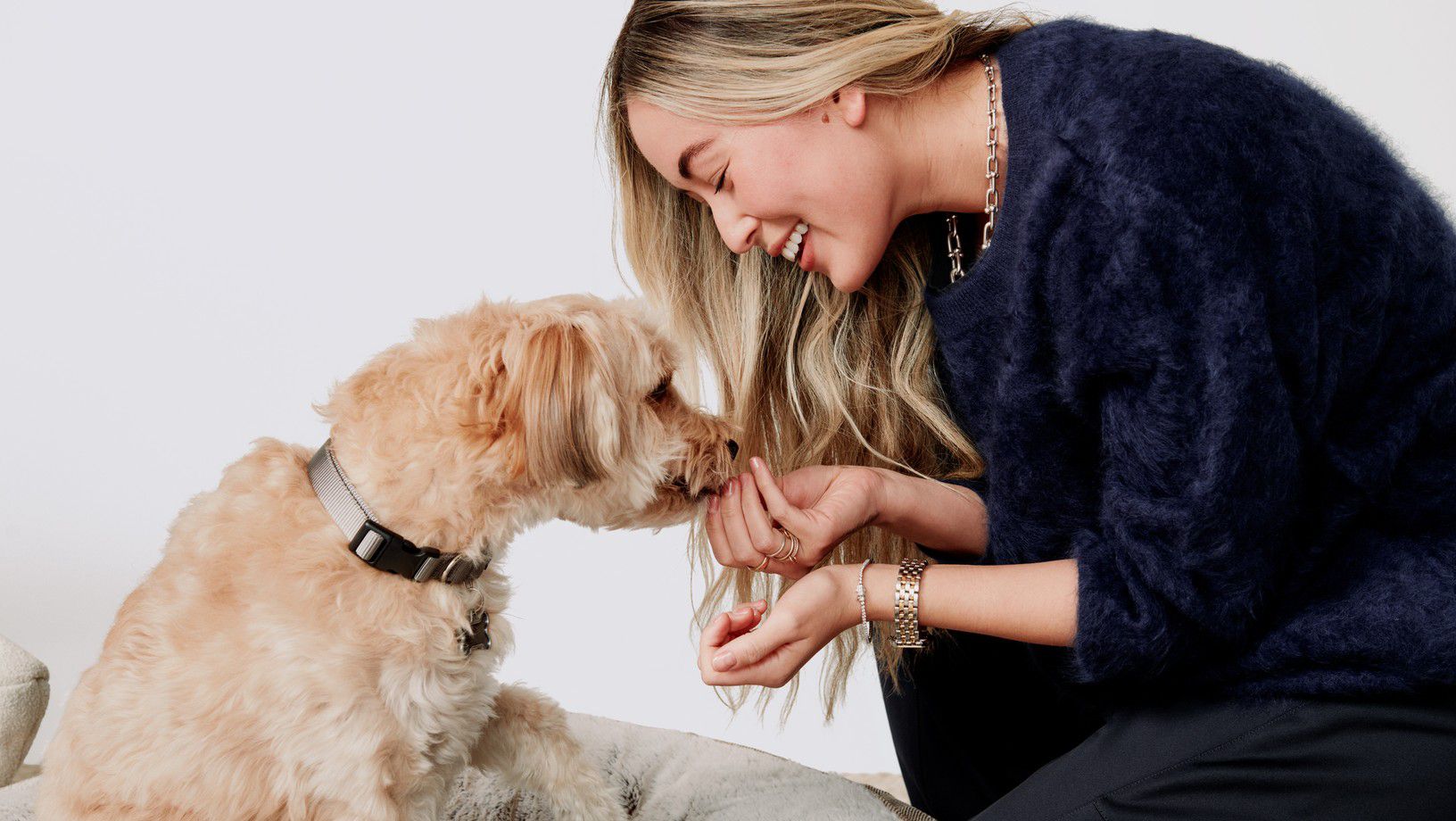
- Bonding: Offering dog treats can strengthen the bond between your pup and a person, creating a positive association with their presence.
- Celebration: Occasional splurges like a dog birthday cake are fun for both pups and dog parents.
Types of dog treats
If you’ve ever walked the dog treats and dog food aisles of a pet supply store, you’ve seen firsthand just how many kinds of products are available.
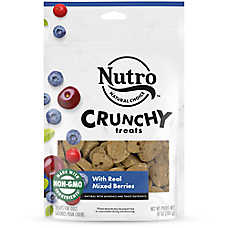
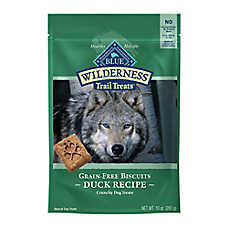
- Biscuits and cookies: Crunchy varieties like milk bone dog treats come in lots of shapes, sizes and flavors. Along with great taste, they may help to keep teeth clean.
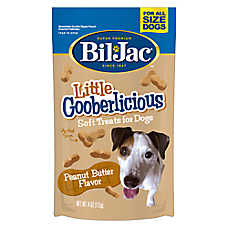
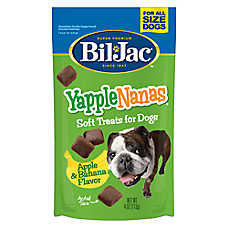
- Soft chews: Softer, easy-to-chew treats are easier on the teeth and gums, and their stronger aroma may be attractive to picky eaters. Soft chews are ideal for puppies, older dogs, or dogs with dental issues.
- Dental treats: Dental chews like greenies for dogs help scrape bacteria and plaque off teeth and gums and help improve your dog dental care and breath.
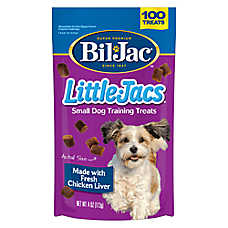
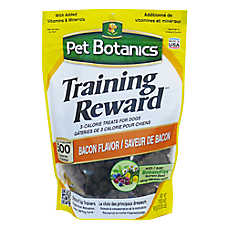
- Training treats: You’ll need a lot of treats to reinforce good behavior when you’re trying to teach your pup new tricks. That’s why training treats tend to be small, low-calorie morsels.
- Organic and natural dog treats: these treats are made from healthier ingredients and are free from chemicals, sweeteners, and artificial additives.
- Jerky: Jerky is dried meat that makes a tasty, chewy treat.
- Chews: Products like bully sticks are chewier treats that dogs can’t chow down immediately, providing more engagement and limiting calorie intake.
- Animal bones: You’ll frequently see dog bones, hooves, and horns offered at pet supply stores. Dogs love to chew on these treats, but many can splinter and cause digestive problems.
- Rawhide: Rawhide is made from the height hide of animals. While some rawhide treats are produced naturally, many are made with harsh chemicals that are unhealthy for your pup. Pets chewing rawhide need to be monitored to ensure they are not swallowing large pieces, which can lead to digestive issues.
Choosing the right treats for your dog
The best treat for your dog depends on its age, size, health history, and nutritional needs.
- Age: Puppy treats have more calories than treats for senior dogs, who may also prefer softer treats.
- Diet: If your pup has dietary restrictions, check with your vet about the best treats to give.
- Size: It’s important to match the size of the treat with the size of your dog. Small breeds, for example, need smaller treats to prevent choking.
- Health: Dogs with food allergies or sensitivities should have treats that avoid wheat, soy, corn, and certain other proteins. Low-calorie or low-fat treats are important for dogs that need to manage their weight. Treats may also help to support dogs with medical issues around joint health, skin and coat health, or dental hygiene.
- Chewing habits: Dogs that are aggressive chewers may do best with durable treats like antlers or bully sticks, while light chewers need softer treats or biscuits.
Frequently asked questions (FAQs)
What are the best human food treats for dogs?
While many human foods can be safely shared with dogs, it’s important to choose options that are healthy and beneficial, and to only offer treats in small amounts. Safe human food treats include fruits like bananas, strawberries, blueberries, and apples with the core and seeds removed. Vegetables like carrots, green beans, sweet potatoes, and cucumbers make healthy dog treats. Chicken, turkey, salmon, and eggs can be offered if bones and skin are removed. Yogurt, cottage cheese, oatmeal and rice are also options. Peanut butter – a favorite for many dogs – can be given in moderation if it is xylitol-free.
What human foods and dog treats should you avoid for your pet?
When it comes to dog treats, avoid those artificial colors as they can be problematic for pets with allergies. Instead, opt for natural, high-quality ingredients.
As for human foods, it's crucial to avoid anything containing chocolate, grapes, raisins, onions, garlic, and xylitol—found in candy, chewing gum, and sugar-free products like peanut butter. Xylitol is especially dangerous and can cause life-threatening reactions in dogs. Additionally, limit fatty foods like fat scraps and gravy, as too much fat can lead to pancreatitis and other health issues. Always check ingredients before offering human food as a treat, and stay clear of "sugar-free" options with artificial sweeteners.
Are dog treats healthy?
Some dog treats can be part of a healthy dog food diet. However, they are not a substitute for well-balanced diet and should be used in moderation. Dog treat makers will often include some direction on how much is appropriate for your dog.
Information in this article is not intended to diagnose, treat or cure your pet and is not a substitute for veterinary care provided by a licensed veterinarian. For any medical or health-related advice concerning the care and treatment of your pet, contact your veterinarian.