
The Best Litter Boxes for Cats
The right litter box can make a significant difference in your cat's comfort and your daily maintenance routine. According to Cornell University College of Veterinary Medicine, providing an appropriate litter box is essential for successful litter box use and your cat's overall wellbeing.
What makes a litter box "best" depends on your cat's preferences, your home setup, and your lifestyle. Some cats prefer open boxes with excellent visibility. Others feel more secure in covered options. Your budget, available space, and willingness to invest in automated features all play a role in finding the right match. This guide showcases seven litter boxes that address different needs and preferences, from premium automatic options to budget-friendly manual solutions.
What to consider when choosing a litter box
Before diving into specific options, keep these factors in mind:
- Size: The American Animal Hospital Association recommends boxes that are at least one and a half times your cat's length
- Entry style: Consider your cat's age, mobility, and preferences for top-entry, front-entry, or low-sided access
- Covered vs. uncovered: Some cats prefer privacy while others like open visibility
- Maintenance: Think about how much time you can dedicate to daily scooping
- Number of cats: The general rule is one box per cat plus one extra
With these considerations in mind, let's explore options that might work for your household.
Best for: Pet parents who want minimal hands-on maintenance
The Litter-Robot 4 represents the premium end of automatic litter boxes. This self-cleaning system cycles after each use, separating waste into a sealed drawer. This litter box has built a strong reputation among pet parents who prioritize convenience. Key features include:
- Automatic cleaning cycle that runs after your cat exits
- App connectivity for monitoring and notifications
- Spacious interior suitable for cats up to 25 pounds
- Odor control through sealed waste drawer
This option requires a higher upfront investment but may save time on daily maintenance. You'll still need to empty the waste drawer regularly and replenish cat litter, but the hands-off cleaning cycle appeals to many pet parents.
Best for: Those seeking automatic cleaning at a more accessible price point
The PetSafe ScoopFree SmartSpin offers automatic cleaning without the premium price tag of higher-end models. Key features include:
- Rotating cleaning mechanism that separates waste
- Compatible with standard clumping litter
- Adjustable cleaning cycle timing
- Front-entry design with moderate coverage
This option provides a middle ground between manual scooping and premium automation. It's suitable for pet parents who want some automation benefits while working within a more moderate budget.
Best for: Pet parents looking for a different approach to odor and waste management
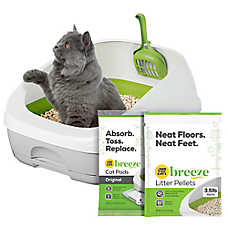
The Breeze system takes a unique approach with pellets on top and absorbent pads underneath. With over 3,500 reviews on PetSmart, this system has earned significant popularity among cat parents seeking alternatives to traditional litter. Key features include:
- Pellet system that separates solid and liquid waste
- Absorbent pads that lock away moisture and reduce odors
- Less tracking than traditional litter
- Starter kit includes box, pellets, and pads to get started
This system requires commitment to the pellet and pad refills, but many pet parents appreciate the reduced tracking and different approach to odor control. It's particularly popular among those who struggled with traditional litter tracking throughout the home.
Best for: Reducing litter tracking and keeping dogs away
Top-entry boxes provide a unique solution for specific household challenges. The IRIS top-entry box addresses tracking and privacy concerns while deterring curious dogs.
Key features include:
- Top-entry design that significantly reduces tracking
- Litter-catching grooves on the lid
- Privacy and coverage for cats who prefer enclosed spaces
- Large size suitable for bigger cats
- Includes scoop that stores in the lid
Consider your cat's mobility before choosing top-entry. Young, agile cats typically adapt quickly. Senior cats or those with joint issues may find the jump challenging. You can pair this with cat mats and liners for additional tracking control.
Best for: Large cats, enthusiastic diggers, and multi-cat households
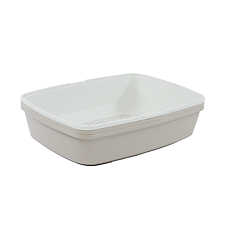
Sometimes simple solutions work best. The IRIS high-sided XL box takes a straightforward approach with extra-high walls and generous dimensions. This no-frills option proves that basic can be brilliant. Key features include:
- Extra-large capacity suitable for big cats or multiple cats
- High walls that contain enthusiastic digging and kicking
- Open top provides excellent visibility and ventilation
- Easy to clean with no complicated parts
- Durable construction that holds up to heavy use
This option excels in multi-cat homes where you need generous space and minimal fuss. According to the American Veterinary Medical Association, providing adequate litter box space is important in multi-cat households to reduce territorial stress.
Best for: Maximizing space in small homes or apartments
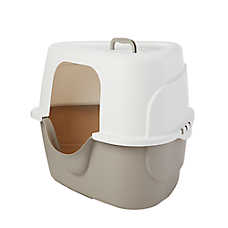
Corner litter boxes solve a common challenge: finding room for a litter box without sacrificing floor space. Key features include:
- Triangular design that fits neatly in corners
- Hooded construction for privacy and odor containment
- Front-entry door
- Carbon filter helps reduce odors
- Suitable for standard-sized cats
This option works well in bathrooms, laundry rooms, or any space where floor real estate is limited. Just ensure your cat has enough room to turn around comfortably inside. Pair with quality cat deodorizers and filters to maintain freshness in covered boxes.
Best for: Those who want easier manual cleaning without automation costs
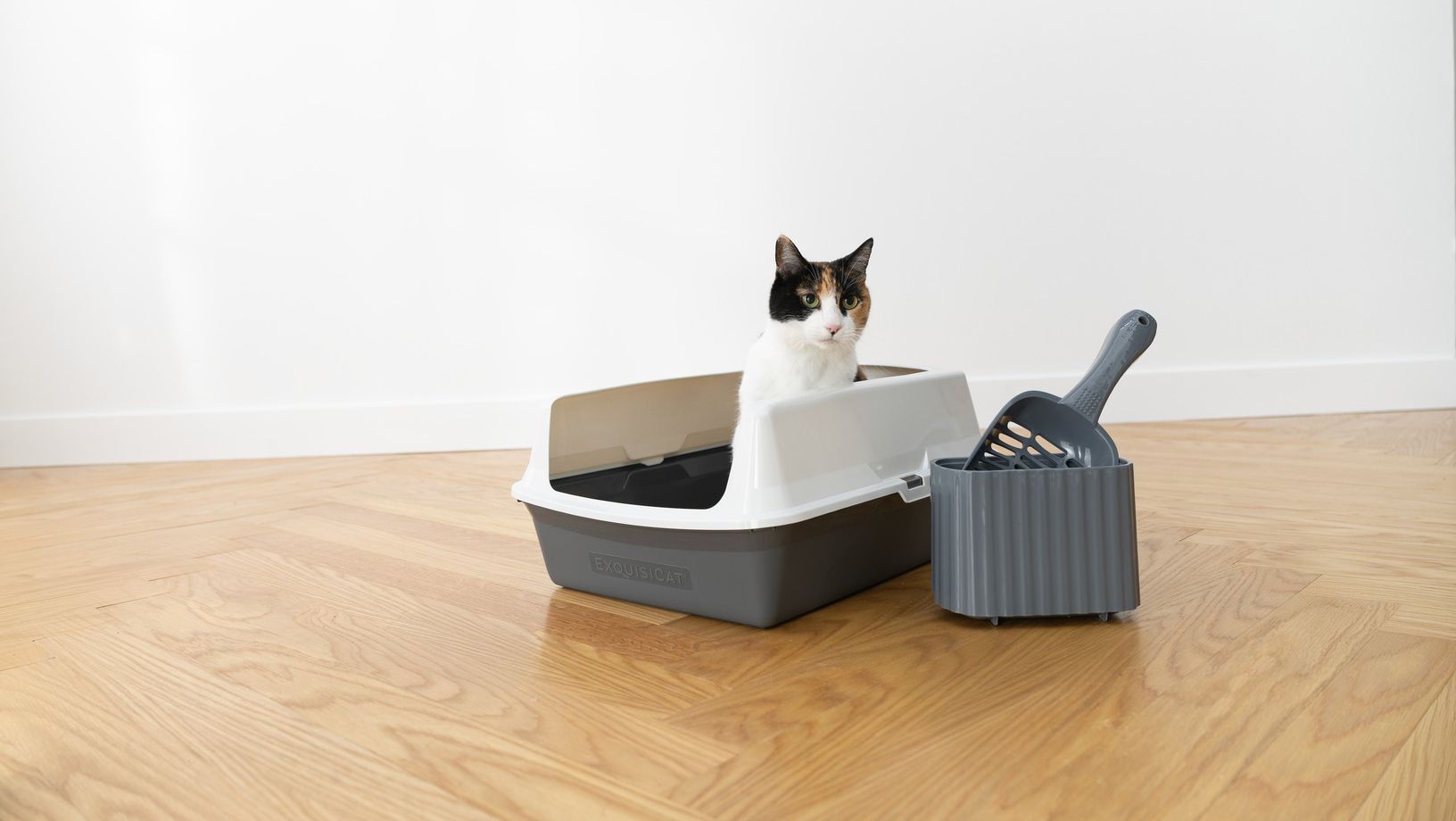
Sifting litter boxes offer a middle path between traditional scooping and automatic systems. The ExquisiCat sifting box has gained traction among pet parents who want to simplify manual maintenance without investing in electric systems.
Key features include:
- Three-tray system where one tray has a sifting screen
- Lift and sift to separate clean litter from waste
- No electricity or special litter required
- Budget-friendly maintenance solution
- Lightweight and easy to handle
This option works best with clumping litter. The sifting process takes seconds and uses less litter over time since you're only removing waste. It's a practical choice for pet parents who don't mind daily maintenance but want to streamline the process.
Making your choice
The right litter box balances your cat's needs with your household constraints. Consider your budget, available space, and how much time you can dedicate to maintenance. Pay attention to your cat's behavior and preferences as well.
According to Cornell University College of Veterinary Medicine, some cats show clear preferences for certain box styles. If your cat consistently avoids a new box, they may prefer a different design. Having multiple box options can help you identify what your cat prefers.
Remember that even the most advanced litter box still requires regular maintenance. You'll need to monitor litter levels, clean the box regularly, and watch for any signs that your cat isn't using it properly. Browse the complete selection of litter boxes and cat waste disposal supplies to find the setup that works for your household.
FAQs
How many litter boxes do I need?
The general guideline is one litter box per cat plus one extra. If you have two cats, aim for three boxes. This gives each cat options and reduces territorial stress. Place boxes in different locations throughout your home.
Are automatic litter boxes worth the investment?
This depends on your priorities and budget. Automatic boxes save time on daily scooping and may help with odor control. However, they require higher upfront costs and occasional troubleshooting. Many pet parents find the convenience worth the investment, while others prefer the simplicity and lower cost of manual options.
Will my cat use a top-entry litter box?
Most young, healthy cats adapt to top-entry boxes with little trouble. Some cats take to them immediately, while others need a transition period. Senior cats, overweight cats, or those with mobility issues may struggle with the jump. Consider your cat's physical abilities before choosing this style.
Do covered litter boxes trap odors?
Covered boxes can help contain odors in your home, but they concentrate smells inside the box where your cat needs to use it. This bothers some cats more than others. If you choose a covered box, scoop daily and consider adding carbon filters or deodorizers designed for enclosed boxes.
Can I use any litter with these boxes?
Most standard boxes work with any clumping or non-clumping litter. However, some systems like the Breeze require specific pellets and pads. Automatic boxes may have litter weight recommendations. Always check manufacturer guidelines for the best results.
How often should I replace the entire litter box?
Plan to replace plastic litter boxes every year or two. Scratches in the plastic can harbor bacteria and odors even with regular cleaning. If your box develops cracks, strong persistent odors, or visible damage, replace it sooner.
Need other cat supplies while you're shopping for litter boxes? PetSmart also carries cat food, cat litter, litter boxes, cat toys, cat beds & furniture, cat flea & tick treatments and much more. Explore PetSmart's Cat Shop to find everything your cat needs, all in one place.
PetSmart offers convenient shopping with Curbside Pickup or in-store pickup. Need something today? We have select items available for Same-Day Delivery in most areas powered by DoorDash. For items you purchase frequently, PetSmart has Autoship that automatically delivers the items you want to your door as often as you'd like. Check the website to see which items are eligible.
Information in this article is not intended to diagnose, treat or cure your pet and is not a substitute for veterinary care provided by a licensed veterinarian. For any medical or health-related advice concerning the care and treatment of your pet, contact your veterinarian.