

How to Choose a Cat Bed
In this Article
Cats are amazing sleepers, snoozing anywhere from 12 to 16 hours a day. The right cat bed lets your kitty rest comfortably in a safe, warm spot reserved just for them. Whether your cat loves curling up, stretching out or hiding away, it’s easy to find the right bed to pamper your feline friend. This guide will walk you through everything you need to know about cat beds, from types of beds and materials to how to encourage your cat to use one.
Types of cat beds
Cat beds come in lots of styles, each catering to different sleeping habits and preferences.
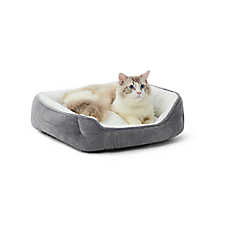
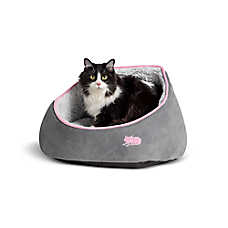
- Bolster beds. These beds feature raised edges, giving cats a sense of security while providing a place to rest their head. The soft, cushioned edges make it perfect for kitties who love to curl up and feel supported. Beds with plush fabric offer extra warmth and comfort.
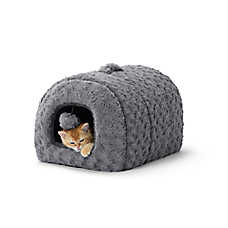
- Enclosed or cave beds. These are great for cats that love to hide away. The enclosed design mimics the feeling of a hidden den and offers extra privacy, making them ideal for shy or nervous cats. These beds also provide insulation, keeping your kitty extra cozy in colder months.
- Heated beds. Perfect for older cats or those living in colder climates, heated beds offer warmth and comfort to help with joint pain and relaxation. Some come with electric heating elements, while others use self-warming materials to reflect body heat.
- Hammocks. These suspended beds can attach to other cat furniture or stand on their own, giving your cat a fun and unique place to rest. Some cats particularly enjoy the gentle swaying motion of a hammock.
- Orthopedic beds. Designed for senior cats or those with arthritis, these beds provide extra support with memory foam or orthopedic padding. The added cushioning helps alleviate pressure on joints, ensuring a comfortable rest for older or less mobile cats.
- Window perches. If your cat enjoys sunbathing and watching the world go by, a window perch provides a cozy elevated spot with a great view. These are excellent for cats that love to be up high and observe their surroundings while lounging in the sunlight.
Choosing the right cat bed
Here are a few tips on selecting the right bed for your kitty.
- Let your cat clue you in. Watch where and how your cat naturally likes to sleep. Some cats prefer curling up in a tight ball, while others like stretching out. If they enjoy sleeping in a quiet, dark place, a covered bed may be best. If they love being near a window, a sunny, open bed might be ideal.
- Pick the just-right size. Choose a bed that allows your cat to stretch out comfortably but still provides a sense of security. Cats that love to sprawl need a larger surface area, while those that prefer curling up will love a snugger fit.
- Material matters. Look for soft, plush materials that are comfortable but also durable and easy to clean. Beds with fleece or faux fur linings are popular choices, but avoid materials that may irritate your cat’s skin.
- Keep cleaning simple. Cats can be messy, so a machine-washable bed makes cleaning much easier. Removable covers are particularly handy for keeping the bed fresh and free of fur or spills.
- Location preference. Watch where your cat likes to sleep. Do they prefer high places, enclosed spaces or open lounging areas? Choose a cat bed that matches their habits to increase the chances of them using it.
- Special needs. Older or arthritic cats may benefit from an orthopedic or heated cat bed, while an enclosed option can help ease a cat’s anxiety. Consider your cat’s age, health and personality when selecting a bed. You may also want to consider how accessible the bed’s location is, especially if your cat is uncomfortable with jumping or has mobility issues. Consider your cat’s age, health and personality when selecting a bed.”
How to get your cat into their bed
Sometimes, cats ignore the nice cat bed you bought and choose a cat tunnel or even a cardboard box instead. Here’s how to encourage them to use their bed:
- Choose a regular curl-up spot. Put the bed in a spot where your cat already likes to nap. Cats are creatures of habit, so introducing a bed in a familiar, cozy location increases the chances they’ll use it.
- Add familiar scents. Adding a blanket or an item with your cat’s scent can make the bed more inviting. Cats rely heavily on scent to feel safe, so using familiar smells can make them feel at home.
- Entice with treats. Reward your cat with treats when they use the cat bed to create a positive association. You can also try placing their favorite toy in the bed to spark curiosity.
Do cats really need a bed?
Technically, no – cats will sleep wherever they feel comfortable. However, having a designated cat bed offers many benefits:
- Provides a safe space. A bed gives your kitty a safe place of their own where they can retreat and relax. This is especially helpful for multi-pet households where cats need their own personal space.
- Cuts down on fur on furniture. Encouraging your cat to sleep in their own bed can minimize fur buildup on sofas and armchairs. This can help keep your home cleaner and reduce allergens.
- Supports senior cats. Orthopedic beds can help with hip and joint health, especially for senior cats. The added support helps relieve pressure points and promotes better sleep.
- Helps with temperature regulation. Heated or self-warming beds keep your cat cozy in colder weather. Cats naturally seek warmth, and having a warm cat bed can keep them comfortable year-round.
Frequently Asked Questions (FAQs)
What kind of bed is best for a new cat?
A new cat might feel anxious in a new home, so an enclosed or cave-style cat bed can offer security. Adding familiar scents and giving them time to adjust will also help.
How do I clean a cat bed?
Most cat beds have removable, machine-washable covers. If not, spot cleaning with pet-safe detergent is recommended.
Do cats prefer soft or firm beds?
It depends on the cat. Some prefer plush, cushioned beds, while others like firmer surfaces for support.
Can I use a dog bed for my cat?
Yes, as long as it provides the right size and comfort level for your cat.
How do I stop my cat from scratching the furniture?
Scratching posts and pads can often minimize your kitty’s need to scratch the furniture. Some cats also like sisal-covered cat furniture, which allows them to scratch freely without damaging your sofa and chairs.
Information in this article is not intended to diagnose, treat or cure your pet and is not a substitute for veterinary care provided by a licensed veterinarian. For any medical or health-related advice concerning the care and treatment of your pet, contact your veterinarian.
Shop this article




Related articles