
How a Self-Cleaning Litter Box Works
In this Article
While living with cats can be pure joy, cleaning the litter box is anything but. The smell and the mess make it easy to procrastinate the cleaning routine, yet a dirty litter box can be home to lots of bacteria that may lead to illness for both cats and humans.
If this unpleasantness wasn’t part of the plan when you decided to adopt a cat or bring home a new kitten, a self-cleaning litter box may be an excellent option. Here’s a quick introduction to what these innovative products do, how they work and the benefits of not having to change the litter box yourself.
How does a self-cleaning litter box work?
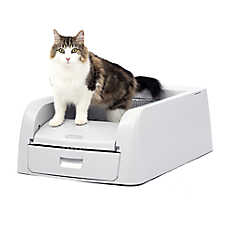
Self-cleaning litter boxes, also known as auto litter boxes or cat litter robots, automatically separate your cat’s waste from the clean litter. That means you don’t have to scoop as often, and the litter box will stay fresh longer. A self-cleaning box uses a combination of sensors, rakes or rotating mechanisms to automatically remove waste after your cat has done its business. Most models have a way of detecting when your cat leaves the box, which triggers a cleaning cycle. This involves scooping or sifting the waste into a separate compartment to keep the litter clean and to reduce odor, making the box more pleasant for both you and your cat.
Types of self-cleaning litter boxes
Automatic litter boxes use several types of mechanisms to separate waste from litter.
- Rake-based mechanisms use a metal or plastic rake that moves across the litter, collecting waste after your cat has left the box. The rake pushes waste into a separate compartment, leaving clean litter behind. This type of self-cleaning mechanism is simple and effective at keeping the litter box clean. While the rake does most of the work of separation, you’ll still need to empty the waste compartment and occasionally clean it to prevent buildup and ensure smooth operation.
- Rotating or sifting systems work by rotating the entire litter chamber, which sifts the waste out of the clean litter and deposits it in a separate compartment. This mechanism is effective for separating clumps from the litter and usually requires less frequent cleaning. As with a rake-based system, you’ll still need to empty the waste compartment every few days and deep clean the system occasionally.
- Automated flushing systems are high-end litter boxes that connect to your home’s plumbing system to automatically flush liquid and solid waste down the drain. With this type of self-cleaning litter box, you won’t have to dispose of your cat’s waste yourself. Flushing systems are highly convenient, but they require regular maintenance to ensure that the system doesn’t clog. Additionally, you’ll still need to clean the unit every so often to prevent buildup and maintain hygiene.
The benefits of a self-cleaning litter box
The advantages of a self-cleaning, robot litter box include:
- Easier maintenance. With a self-cleaning box, your job is a lot easier. Instead of scooping the litter box several times a day, you’ll only need to empty the waste compartment every few days, depending on the model and the number of cats in your home.
- Improved hygiene. Automatically removing waste helps maintain a cleaner litter box environment, reducing the amount of bacteria and odor in the box and creating a more hygienic space to keep your cat healthy. Additionally, you’ll have less direct contact with the waste, which is especially helpful in households with pregnant women, young children or individuals with compromised immune systems.
- Odor control. By removing waste soon after your cat is done, self-cleaning litter boxes prevent litter from sitting and creating unpleasant odors. Many boxes feature a closed waste compartment that seals off odors until the compartment is emptied.
- Greater convenience for multi-cat homes. If you have more than one cat, a self-cleaning litter box ensures that the litter is clean and ready for the next cat entering the box.
Some of the challenges of self-cleaning litter boxes include:
- Cost. Automatic boxes are more expensive than traditional boxes and may range from $100 and $500 or more, depending on the model. These boxes may also require special cat litter and waste receptacles, which can add to the ongoing expenses.
- Noise. Some boxes can be quite noisy during the cleaning process. Noise-sensitive or anxious cats might be hesitant to use a self-cleaning box.
- Periodic maintenance. Self-cleaning boxes have more moving parts and need more maintenance than traditional boxes.
- Cat Litter box training. Some cats may need more time to become accustomed to using a self-cleaning box.
Choosing the right box for your cat
Several factors may influence your choice of a self-cleaning litter box.
- The right size and capacity. A self-cleaning litter box must be large enough for your cat to comfortably enter, turn around and dig. If you have multiple cats, you’ll need a larger waste compartment or a faster cleaning cycle to handle increased usage. You’ll need to make sure the robot box will fit within any cat litter box furniture you use.
- Type of litter: To function properly, some boxes require specific types of litter such as clumping or crystal litter. Make sure you consider the availability and cost of the recommended litter before you choose a box.
- Ease of maintenance: It’s best to choose a box with a straightforward cleaning process to help you save time and effort.
- Durability: Reading reviews before your purchase can help you find a box that has a reputation for durability and reliability.
- Noise: A quieter model will be a better choice for cats that are sensitive to loud noises.
- One per cat: Multi cat households should have more than one litter box to prevent litter box behavioral issues.
FAQs
How much is a self-cleaning litter box?
A self-cleaning litter box usually costs between $100 and $500 or more, depending on the brand, features and technology. Models with advanced features like automatic flushing or app connectivity tend to be more expensive.
Do self-cleaning litter boxes work with any type of litter?
Not all self-cleaning litter boxes can use any type of litter. Many require specific types, like clumping or crystal litter, to work correctly. It’s important to check the manufacturer’s guidelines to make sure you’re using the right kind of litter for the best results.
Are self-cleaning litter boxes safe for my cat?
Yes, self-cleaning litter boxes are generally safe for cats. Most have sensors that detect when your cat is inside, so the cleaning cycle won’t start while your cat is using the box.
How often do I need to empty the waste compartment in a self-cleaning litter box?
How often you need to empty the waste compartment depends on the model and how many cats are using the litter box. Typically, you’ll need to empty it every few days, but in homes with multiple cats, it might need to be done more often. Regular emptying is key to keeping odors at bay and maintaining cleanliness.
Do self-cleaning litter boxes help with odor control?
Yes, self-cleaning litter boxes are designed to help control odors by quickly removing waste from the litter. Many also have enclosed waste compartments that lock in smells until you empty them. This helps keep your home smelling fresher for longer.
How do you introduce a cat to a self-cleaning litter box?
To introduce your cat to a self-cleaning litter box, place it next to their old box and keep the self-cleaning mechanism turned off initially to let them explore it without fear. Encourage your cat to use the new box by placing treats or familiar litter inside, and gradually phase out the old box once they're comfortable. Finally, activate the self-cleaning function when your cat is used to the box, and monitor their behavior, offering positive reinforcement as they adjust.
Information in this article is not intended to diagnose, treat or cure your pet and is not a substitute for veterinary care provided by a licensed veterinarian. For any medical or health-related advice concerning the care and treatment of your pet, contact your veterinarian.