The Benefits of a Cat Water Fountain

In this Article
If your kitty is drawn to running water, chances are a cat water fountain will be hydration heaven. Many cats have an instinctual preference for water that is moving rather than still. A cat water fountain indulges this inclination with a continuous flow of water that mimics the movement of streams and rivers. Often, cats do not drink enough water which can lead to urinary tract and kidney health issues.
A cat water fountain can be truly valuable for your cat’s wellness, ensuring your pet has proper hydration. With a range of features to choose from, it’s easy to find a cat drinking fountain that will keep your feline friend happy and hydrated while fitting in with the rest of your cat furniture.
Why cats like running water
Your kitty may prefer running water for several reasons. In the wild, many animals have learned that moving water is usually cleaner and safer to drink than static water, which can be contaminated. While this instinct was likely developed over thousands of years, it seems to have persisted in domesticated cats.
Additionally, the sight and sound of flowing water may be more stimulating for your cat, and it may stay cooler than static water in a bowl, which is appealing to cats.
How a cat water fountain works
Cat water fountains all follow the same basic formula: water is filtered and pumped from a reservoir through a series of tubes to create a flowing water source for your pet. Most are powered by a small electric pump that provides a continuous flow.
Cat drinking dispensers also use a filtration system to keep water clean. To accommodate multiple animals, some fountains offer multiple adjustable streams as well as a larger basin that can hold more water.
The pros and cons of a cat water fountain
Water fountains offer several benefits for your kitty.
- Fresh water: Running water helps to keep water cooler, which prevents bacteria from building up in your cat’s water bowl.
- Better hydration: Many cats are chronically dehydrated. If your cat is drawn to running water, it may help them drink more and stay better hydrated, which aids in digestion and nutrition as well.
- Filtration: Most cat water fountains include filters that can help make the water taste better.
A few potential downsides of cat water fountains include:
- More mess: If your cat prefers to play in the water rather than drinking it, you may end up with a messy feeding and watering area.
- Cleaning chores: Keeping your fountain free of grime and bacteria buildup requires regular cleaning of the pump and filter.
- Cost: Depending on the model you choose, a cat water fountain will cost substantially more than your typical cat bowl.
- Noise: In some cat water fountains, the pump may hum or buzz, creating a disturbance in quiet environments. Also, you’re likely to constantly hear flowing water, which can be annoying for some people.
What to look for in a cat water fountain
You’ll have a lot of options to consider when choosing a cat water fountain.
- Materials: While plastic is the most affordable option, fountains made from plastics are more likely to harbor bacteria when not cleaned regularly. Also, you’ll want to look for BPA-free plastics to avoid exposing your cat to harmful chemicals. Stainless steel is a more durable option and easier to clean. It’s also recommended for cats with chin acne, since it’s less likely to harbor bacteria. Ceramic fountains are easy to clean and won’t retain odors. They tend to be heavier, making it harder for your cat to tip it over.
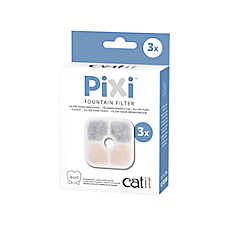
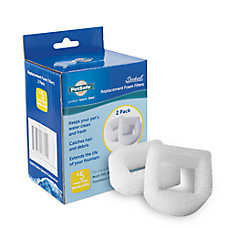
- Filtration: Mechanical filters remove particles and debris like food or fur from the water. Chemical filters use activated carbon or charcoal to reduce impurities and odors in the water.
- Size: If you have more than one cat, you may want a fountain with a larger capacity, so you won’t have to fill it as often.
- Cleaning: It’s best to choose a product that’s easy to take apart and clean. Some fountains or their components are safe for the dishwasher, which can help to make cleaning easier.
- Noise: A quiet fountain is less likely to disturb your kitty or become annoying to anyone who lives with you.
- Controls: Some fountains allow you to control the flow to suit your cat’s preference. Choosing a pump with an auto-shutoff is also a good idea to prevent the pump from being damaged if the water level is too low.
FAQs
Is it safe to leave a cat water fountain on all the time?
Yes, it’s generally safe to leave a fountain on continuously. This helps to keep the water clean and ensures your cat has access to fresh, flowing water any time of day.
Is flowing water better for cats?
Flowing water is usually fresher, cooler and more oxygenated than still water. This prevents the growth of bacteria and buildup of biofilm that can happen in a stagnant water bowl. If your cat is drawn to running water, it’s likely to drink more from a water fountain, which can help prevent dehydration that leads to urinary tract and kidney problems.
How often should you change the water in a cat water fountain?
Top off the water daily to make sure your cat has enough. Generally, you should completely change the water in the fountain at least once a week to remove debris, saliva, and food particles. Be sure to check the manufacturer’s instructions about how often to clean the fountain, pump and filters.
Information in this article is not intended to diagnose, treat or cure your pet and is not a substitute for veterinary care provided by a licensed veterinarian. For any medical or health-related advice concerning the care and treatment of your pet, contact your veterinarian.