
A Guide to Cat Furniture: Towers, Trees, and Condos
In this Article
Cat furniture gives your cat vertical space to climb, perch, and observe their territory from above. According to the American Association of Feline Practitioners, vertical territory is important for cats' mental and physical wellbeing, particularly in multi-cat households where elevation provides security and reduces stress.
From compact scratching posts to elaborate multi-level towers, cat furniture comes in countless configurations to match your space and your cat's personality. Whether you need a simple 26-inch tower for a small apartment or a 77-inch play structure for an active climber, the right furniture can enrich your cat's daily life while protecting your belongings from scratching damage.
Why cats need vertical space
Cats are natural climbers who feel safest when they can survey their environment from elevated positions. This instinct comes from their wild ancestors who climbed trees to spot prey and avoid predators. Vertical space provides several benefits:
- Security and stress reduction: Height gives cats a sense of control and safety
- Exercise and activity: Climbing and jumping help maintain healthy weight and muscle tone
- Territory management: In multi-cat homes, vertical space reduces conflicts by expanding available territory
- Mental enrichment: New perches and levels keep cats engaged and curious
- Scratching outlet: Built-in scratching surfaces protect your furniture
Quality cat beds & furniture provides these benefits while fitting your home's layout and style.
Types of cat furniture
Cat towers
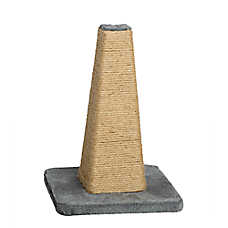
Cat towers typically feature multiple levels with platforms, perches, and sometimes enclosed hideaways. They range from compact designs perfect for small spaces to elaborate structures that reach ceiling height. A simple option like the Whisker City 26-inch short cat tower with ramp works well for kittens, senior cats, or homes with limited floor space. The lower height makes it accessible for cats with mobility concerns, while the ramp provides easy access to elevated perches.
Cat trees
Cat trees feature branch-like extensions and multiple levels that mimic outdoor climbing structures. These typically include scratching posts wrapped in sisal rope, plush-covered platforms, and dangling toys. For households with multiple active, athletic cats, a structure like the Armarkat 77-inch classic faux fleece real wood cat tree provides extensive climbing opportunities. The substantial height satisfies cats who love to perch near the ceiling and observe their domain from the highest vantage point. Real wood construction ensures stability for larger or more energetic cats.
Cat condos
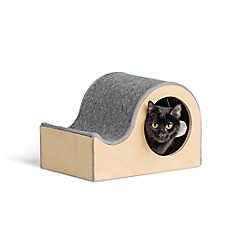
Cat condos combine enclosed hiding spaces with open perches. These apartment-style structures appeal to cats who like options. They can retreat into a cozy enclosed space when they want privacy or rest on an open platform when they want to watch household activity. Look for condos with multiple entry points so your cat never feels trapped. This is particularly important in multi-cat households where escape routes help prevent territorial conflicts. Browse cat trees and condos to compare different configurations and find what suits your cat's preferences.
Cat houses and hideaways
Cat houses serve a similar purpose to dog crates but focus more on just providing a secure den rather than containment for training. These enclosed structures give cats a private retreat where they can rest undisturbed. Aside from cat travel crates, which are designed to be secure and sealable enclosures, most cat houses and hideaways do not have gates or doors that close.
Outdoor cat houses
For cats who spend time outside, weather-resistant houses provide shelter from elements. The K&H outdoor unheated kitty house offers protection from rain, wind, and sun while giving outdoor cats a secure place to rest. The elevated floor keeps the interior dry, and the weather-resistant construction stands up to outdoor conditions. Some outdoor houses include heating elements for cold climates. These heated options help community cats or outdoor pets stay warm during winter months.
Indoor hiding spots
Indoor hideaways like the Whisker City fur hiding hut and toy cat bed create cozy enclosed spaces where cats can retreat when they need quiet time. The soft interior provides warmth and comfort, while the enclosed design satisfies cats' instinct to find secure hiding places. These covered beds work particularly well for shy or anxious cats who need a safe space to decompress.
Choosing the right size and height
The right size depends on your cat's age, activity level, and your available space.
Consider your cat's abilities
Different cats have different needs:
- Kittens: Start with shorter structures (24-36 inches) that won't risk injury if they fall while learning to climb
- Adult cats: Most adult cats enjoy tall structures (48-72 inches) that let them reach impressive heights
- Senior cats: Look for structures with ramps, steps, or lower platforms that accommodate reduced mobility
- Large breeds: Ensure platforms are spacious enough for your cat to stretch out comfortably
According to Cornell University College of Veterinary Medicine, providing appropriate environmental enrichment including vertical space can help support your cat's physical and mental health as they age.
Assess your space
Measure your available floor space and ceiling height before shopping. Tall towers need stable bases to prevent tipping. A 77-inch tower requires adequate ceiling clearance and floor space for the base, while a 26-inch tower fits easily in corners or beside furniture.
Consider traffic patterns in your home. Place cat furniture where your cat can observe activity without being in the way. Many cats appreciate furniture near windows where they can watch birds and outdoor activity.
Important features to look for
Scratching surfaces
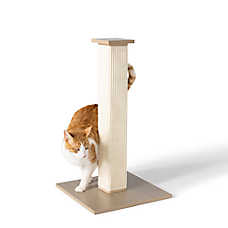
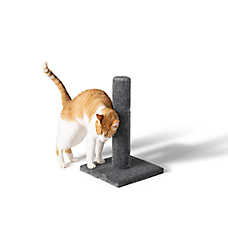
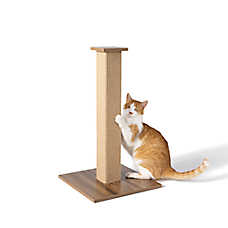
Most quality cat furniture includes scratching posts wrapped in sisal rope or carpet. This gives your cat an appropriate outlet for their natural scratching behavior, which helps protect your furniture and allows them to mark territory and maintain their claws. If scratching damage is a concern in your home, check out additional options like cat scratching posts to supplement your cat's furniture.
Stability and construction
Look for sturdy construction with a wide, heavy base. The furniture should not wobble when your cat jumps on it. Real wood construction generally provides better stability than particle board, particularly for taller structures or homes with multiple cats.
Platform size and spacing
Platforms should be large enough for your cat to turn around and lie down comfortably. The spacing between levels affects how easily your cat can navigate the structure. Closer spacing works better for kittens and seniors, while athletic cats enjoy larger jumps between levels.
Material and texture
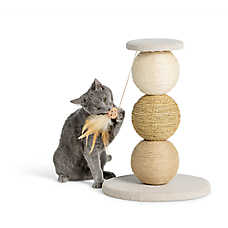
Common materials include plush carpet, faux fur, and sisal rope. Most cats prefer soft textures for resting and rough textures for scratching. Consider your cat's preferences. Some cats love plush surfaces while others prefer bare wood or carpet.
Placement tips for cat furniture
Where you place cat furniture affects how much your cat will use it:
- Near windows: Cats love watching outdoor activity from elevated perches
- In social areas: Place furniture where your cat can observe family activity while feeling secure
- Multiple locations: In multi-cat homes, distribute furniture throughout the house to reduce competition
- Away from litter boxes: Keep resting areas separate from litter boxes to maintain hygiene and appeal
- Secure the base: For tall structures, secure the base to a wall if possible to prevent tipping
Introducing your cat to new furniture
Some cats investigate new furniture immediately, while others need encouragement. Make the furniture appealing by:
- Sprinkling catnip on platforms and scratching posts
- Placing cat toys on different levels to encourage exploration
- Using treats to reward investigation and climbing
- Playing with interactive toys near and on the furniture
- Giving your cat time to accept the new addition at their own pace
Never force your cat in or on new furniture. Let them discover it naturally and build positive associations through play and rewards.
Considerations for multi-cat households
According to the American Veterinary Medical Association, providing adequate resources including vertical space can help reduce stress and conflict in multi-cat homes. When choosing furniture for multiple cats:
- Provide multiple pieces: Don't rely on a single tower for all cats
- Choose structures with multiple perches: This allows cats to share the same piece while maintaining personal space
- Ensure escape routes: Enclosed spaces should have multiple exits so cats don't feel trapped
- Place furniture in different rooms: This expands territory and reduces competition
Watch for signs of territorial behavior like blocking access to furniture or aggressive posturing. If conflicts arise, add more vertical space or redistribute existing furniture to different locations.
Maintaining cat furniture
Keep your cat's furniture clean and safe with regular maintenance:
- Vacuum regularly: Remove cat hair, dander, and debris from platforms and hideaways
- Check stability: Tighten screws and bolts periodically to maintain structural integrity
- Replace worn components: Refresh worn scratching posts or torn fabric to keep furniture appealing
- Spot clean as needed: Address accidents or spills promptly with pet-safe cleaners
- Inspect for damage: Look for splintering wood, exposed nails, or unstable platforms that could cause injury
FAQs
How tall should a cat tower be?
This depends on your cat's age and abilities. Most adult cats enjoy towers between 48-72 inches tall. Kittens and senior cats may prefer shorter structures (24-36 inches) for safety and accessibility. Consider your ceiling height as well—you'll want a few inches of clearance above the tallest platform.
Will my cat actually use a cat tree?
Most cats enjoy cat trees once they become familiar with them. Placement matters—position the tree where your cat already spends time. Use catnip, treats, and toys to encourage exploration. Some cats take to new furniture immediately, while others need days or weeks to warm up to it.
How do I keep my cat tree from tipping over?
Choose furniture with a wide, heavy base. For tall structures, you can secure the base to a wall using furniture anchors. Place the tree on carpet rather than smooth flooring for better grip. Avoid placing tall towers in high-traffic areas where they might be bumped.
Can I put a cat tree on carpet?
Yes, carpet actually provides better stability than hard floors. The base grips the carpet and reduces wobbling. If you have hard floors, look for furniture with non-slip pads on the base or place a rug underneath for added stability.
How often should I replace cat furniture?
Replace cat furniture when it becomes unstable, damaged, or excessively worn. Scratching posts and carpeted surfaces wear out faster than the structure itself. Some furniture allows you to replace individual components like posts or platforms rather than the entire piece. With proper maintenance, quality cat trees can last several years.
Do outdoor cat houses need to be heated?
Heated houses aren't essential in mild climates but provide valuable warmth in cold regions. If you live in an area with freezing temperatures and provide shelter for outdoor or community cats, heated houses help prevent hypothermia. Always follow manufacturer safety instructions for heated units.
Information in this article is not intended to diagnose, treat or cure your pet and is not a substitute for veterinary care provided by a licensed veterinarian. For any medical or health-related advice concerning the care and treatment of your pet, contact your veterinarian.